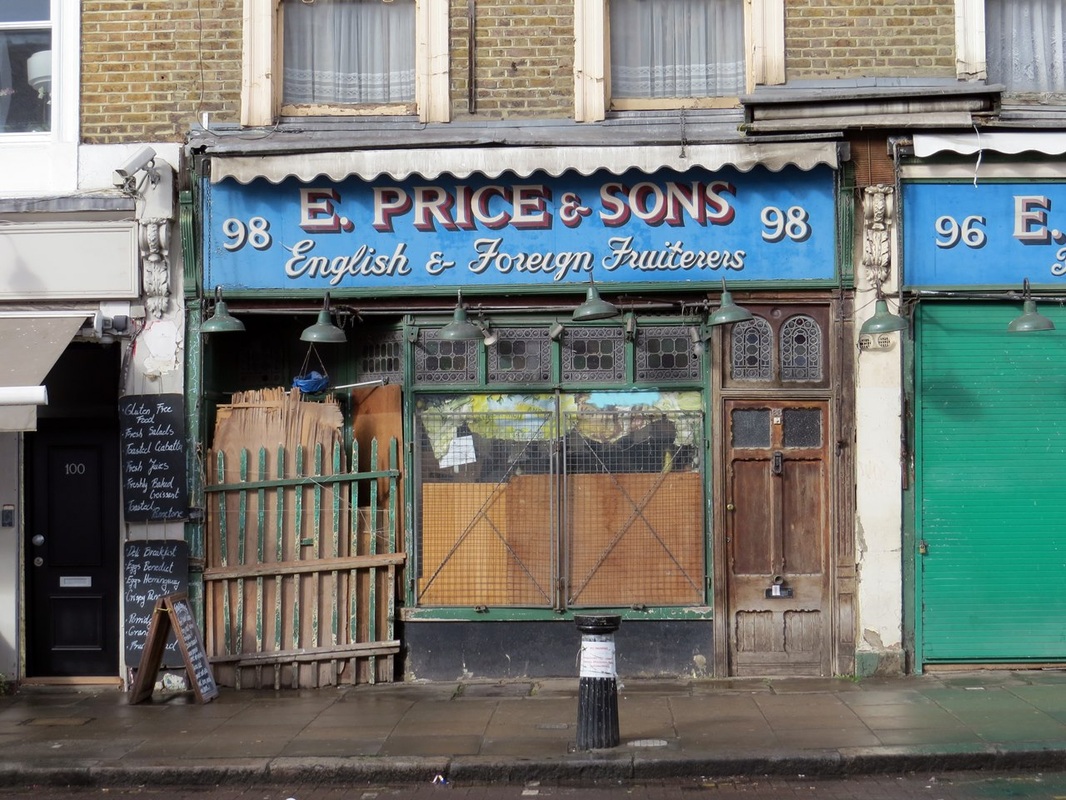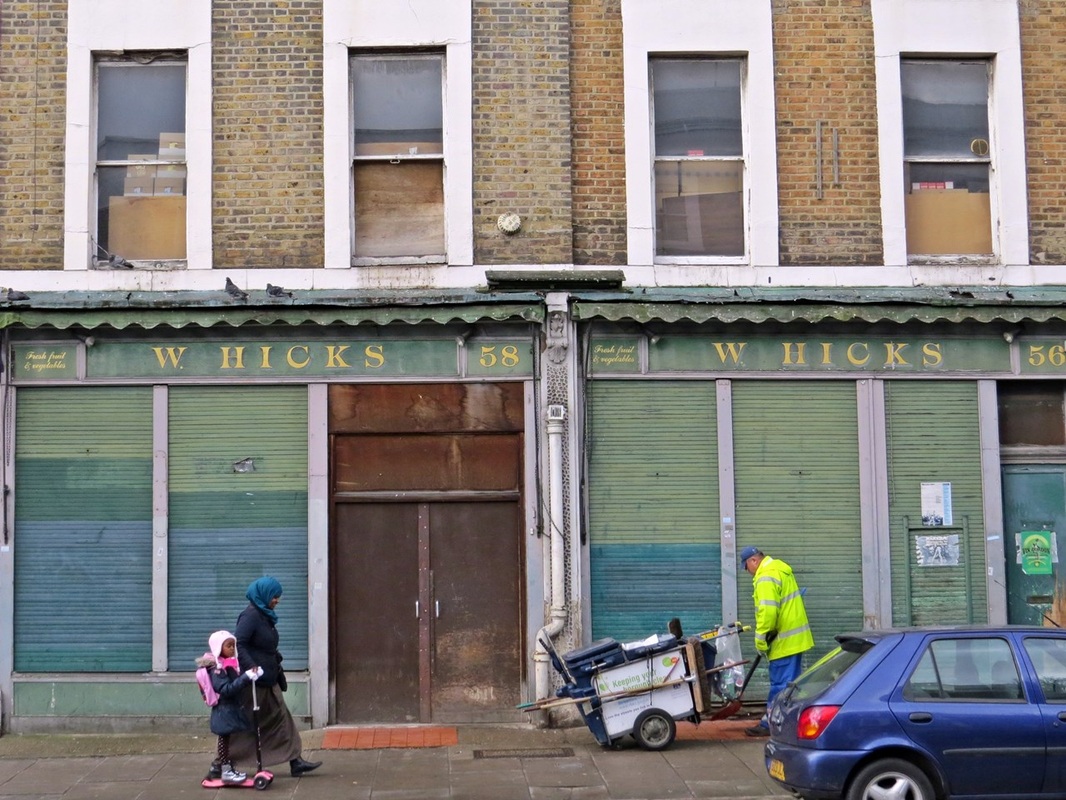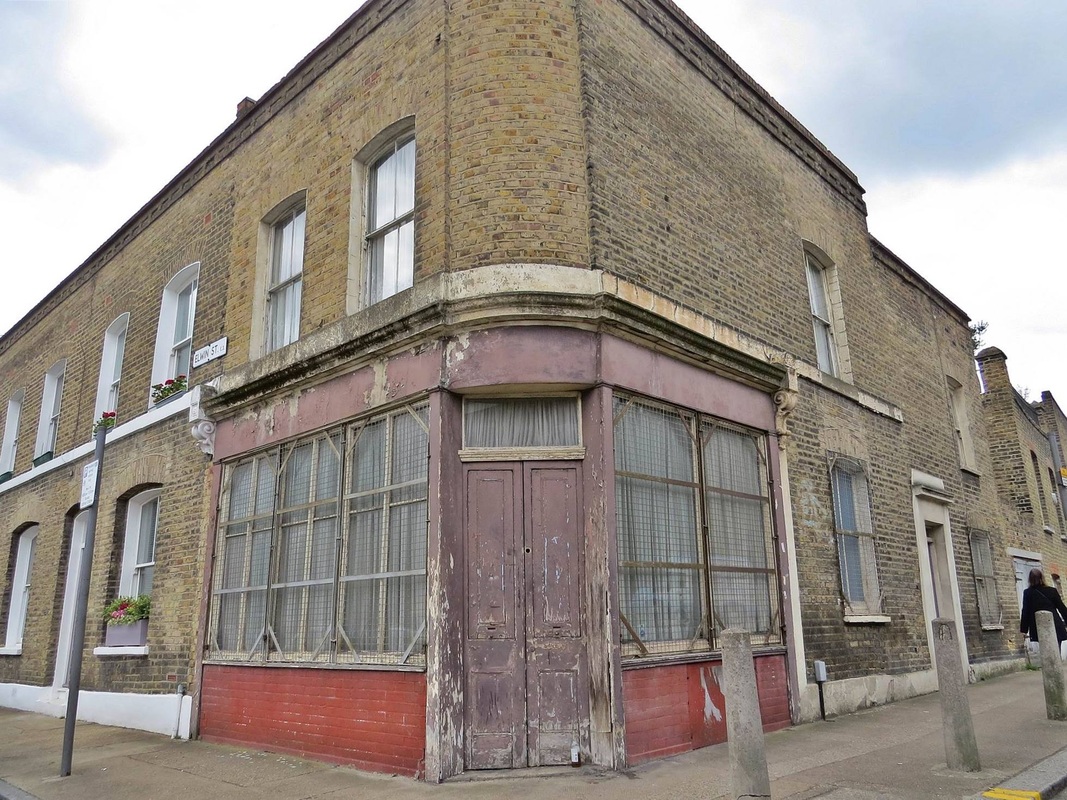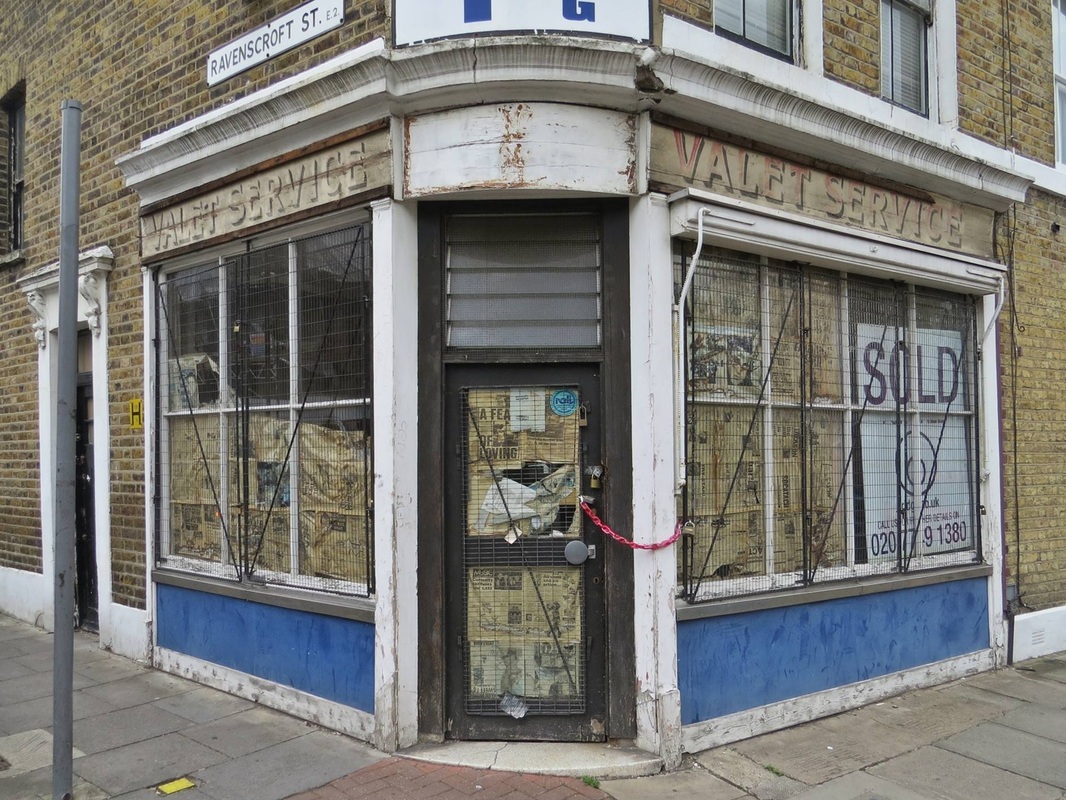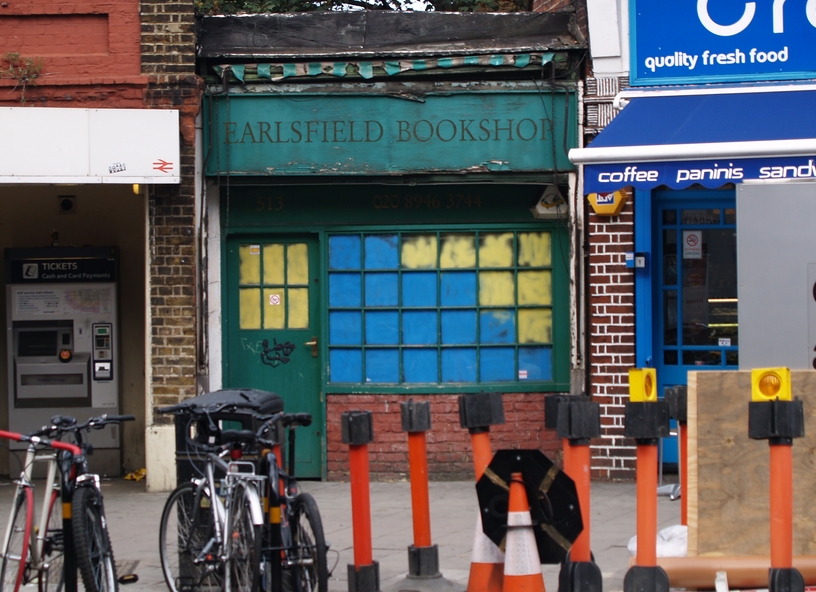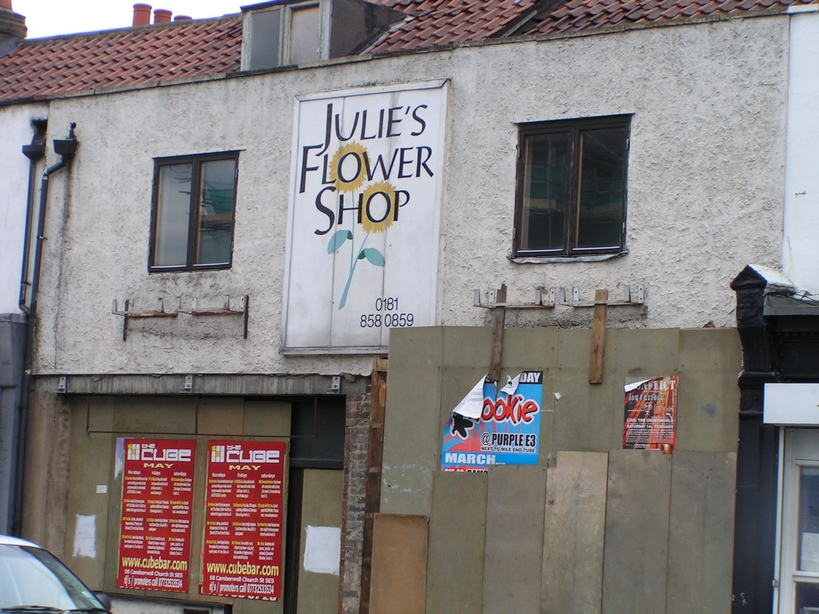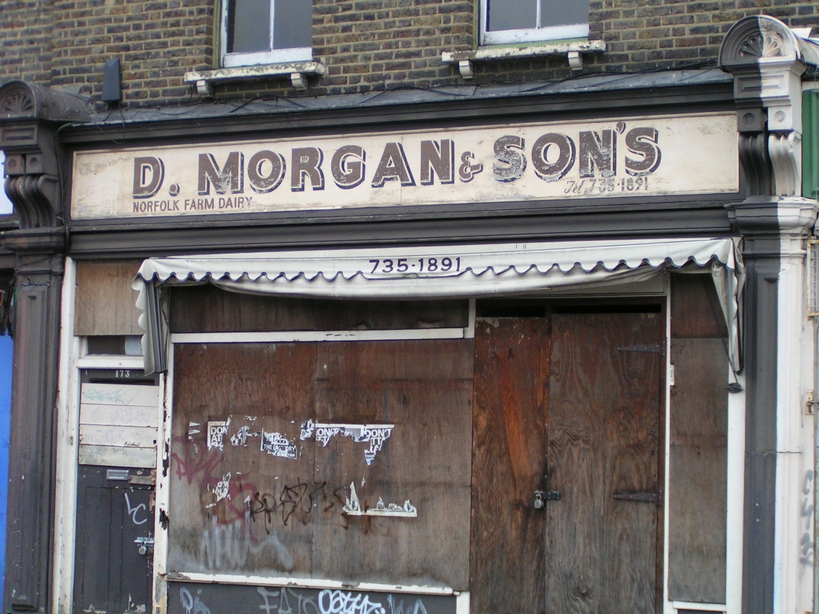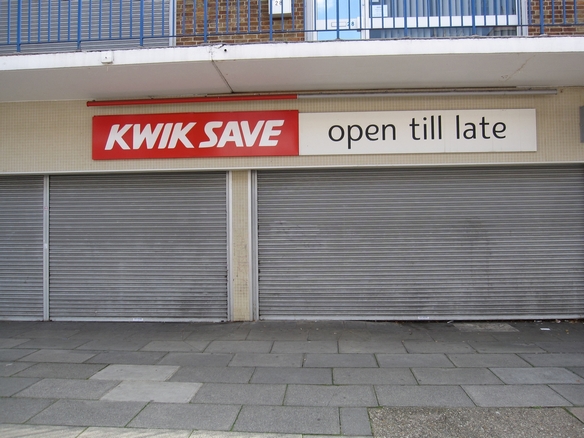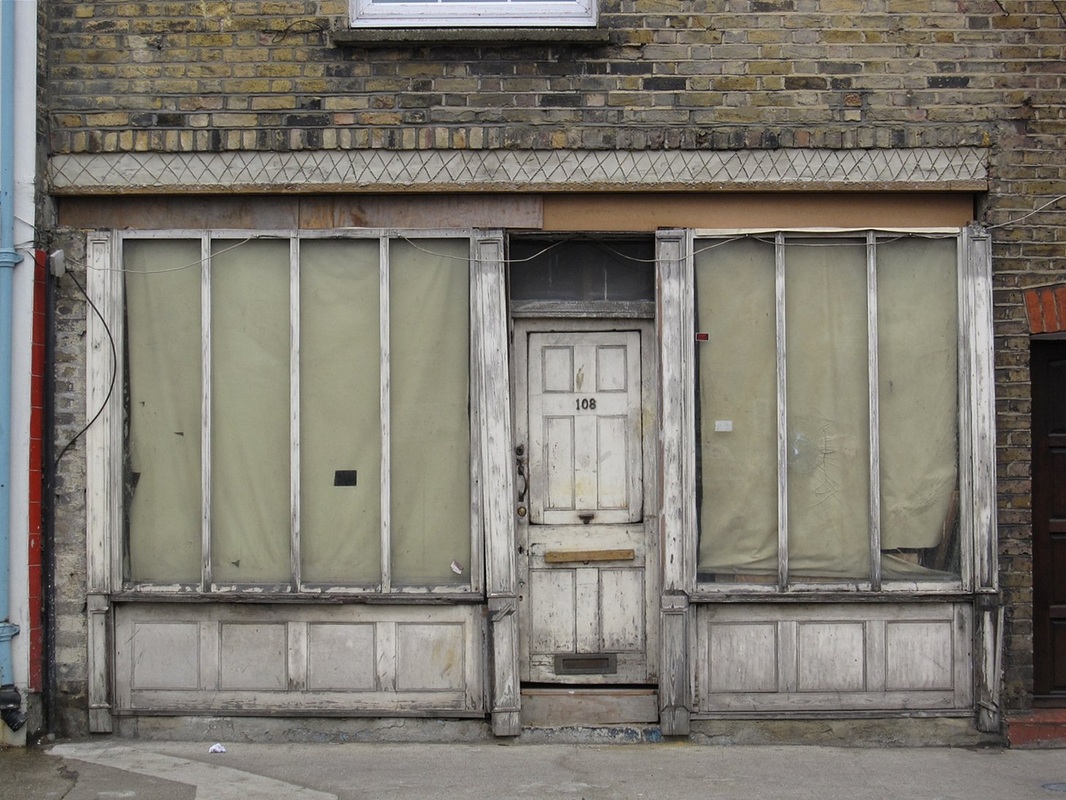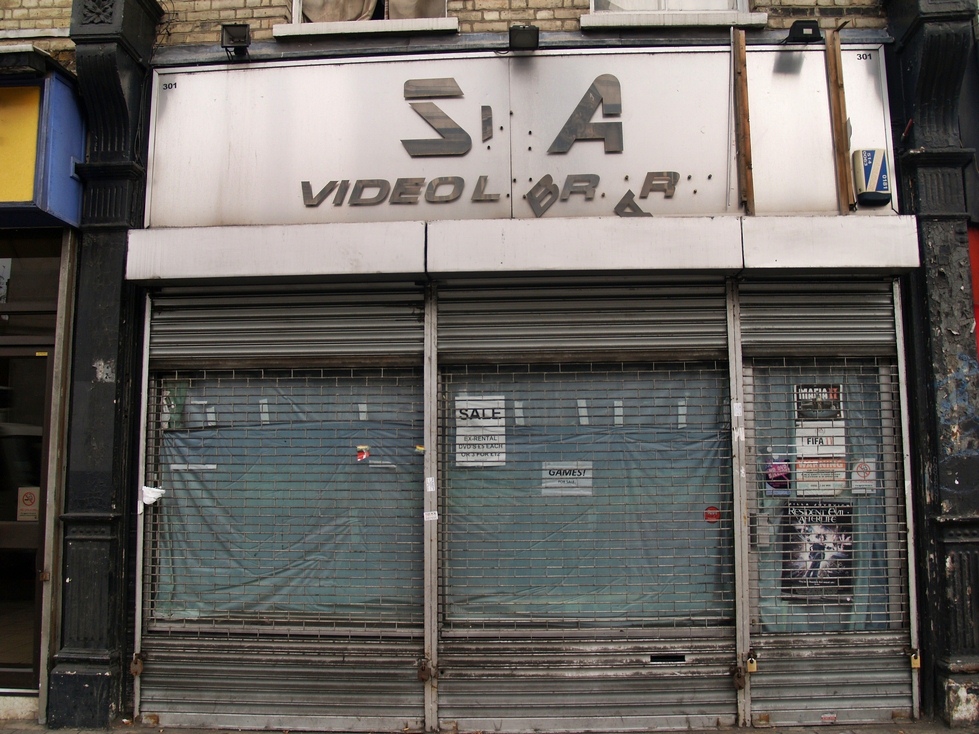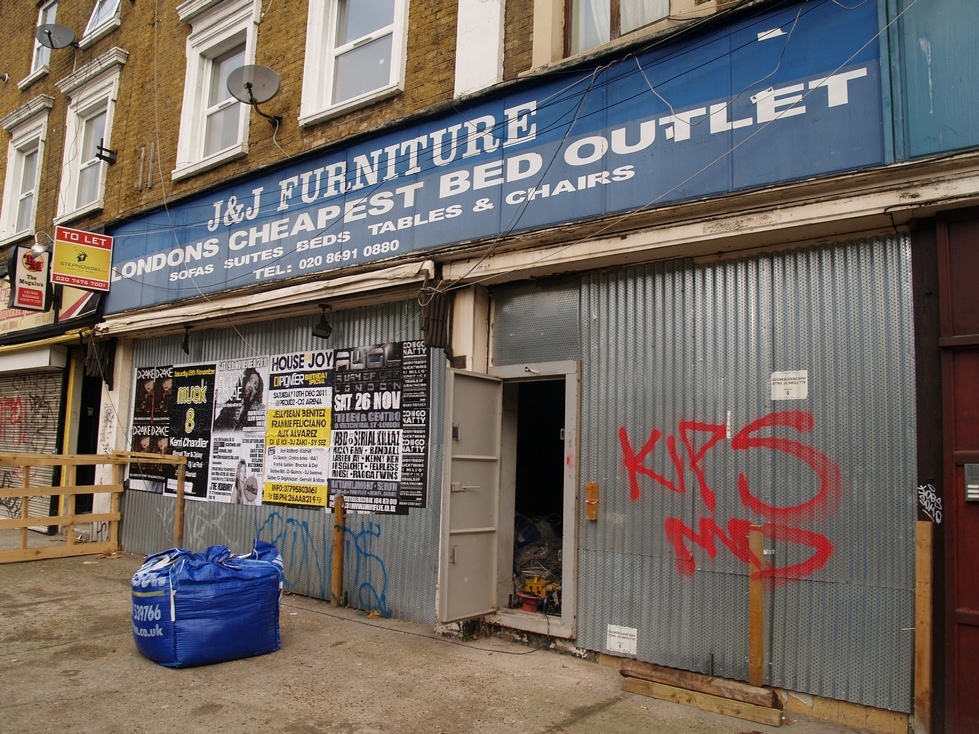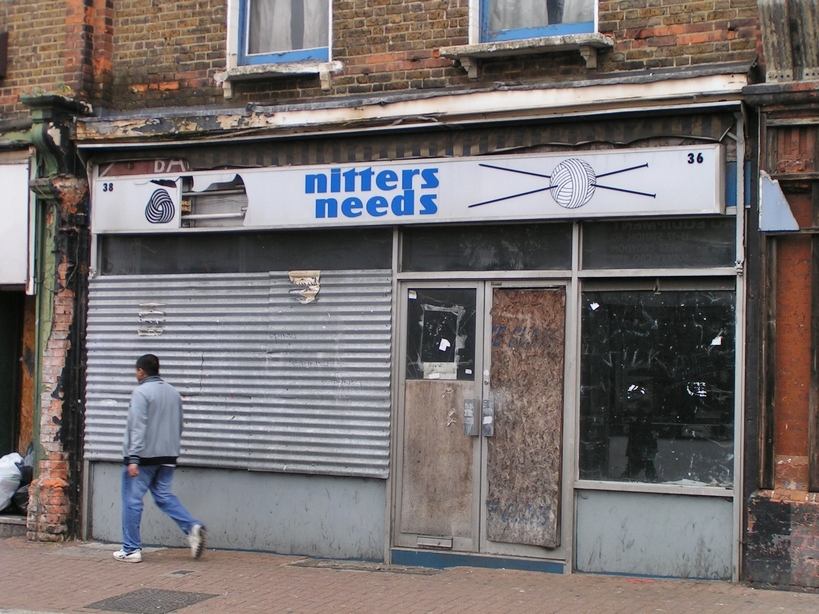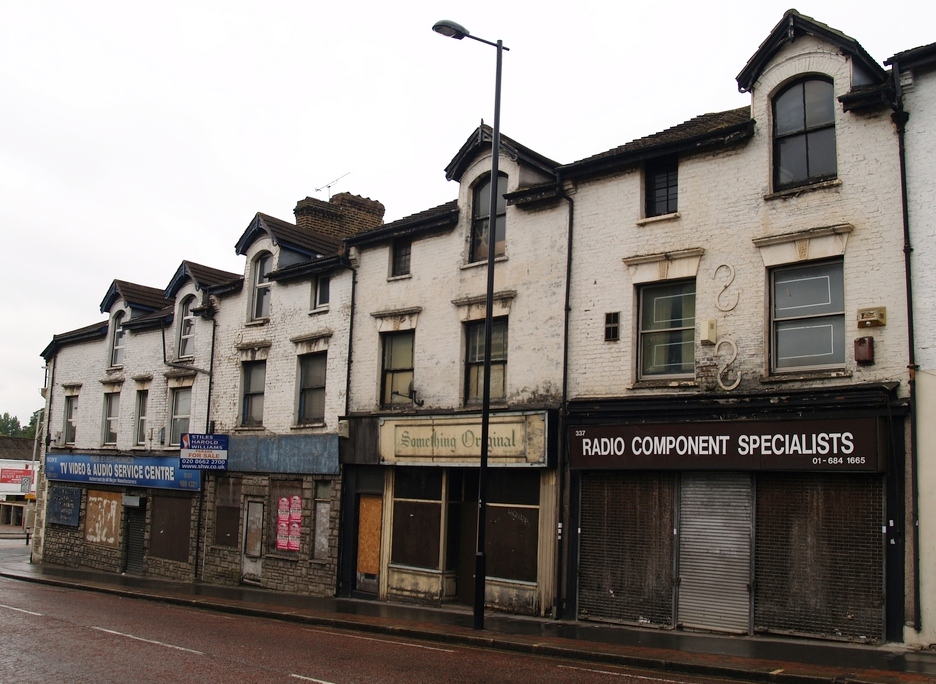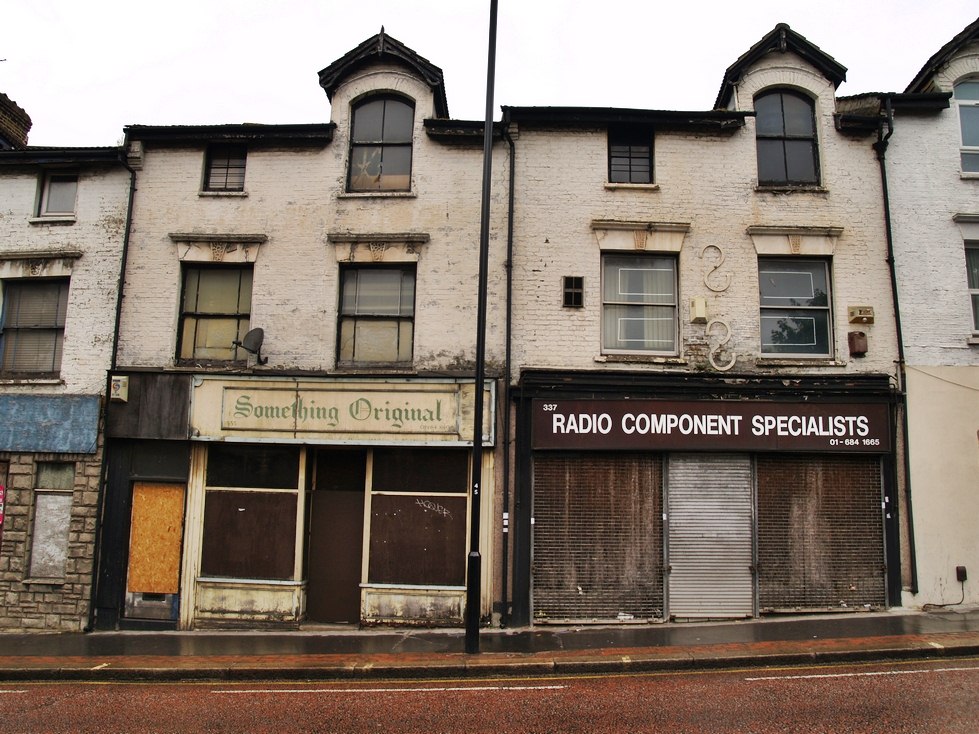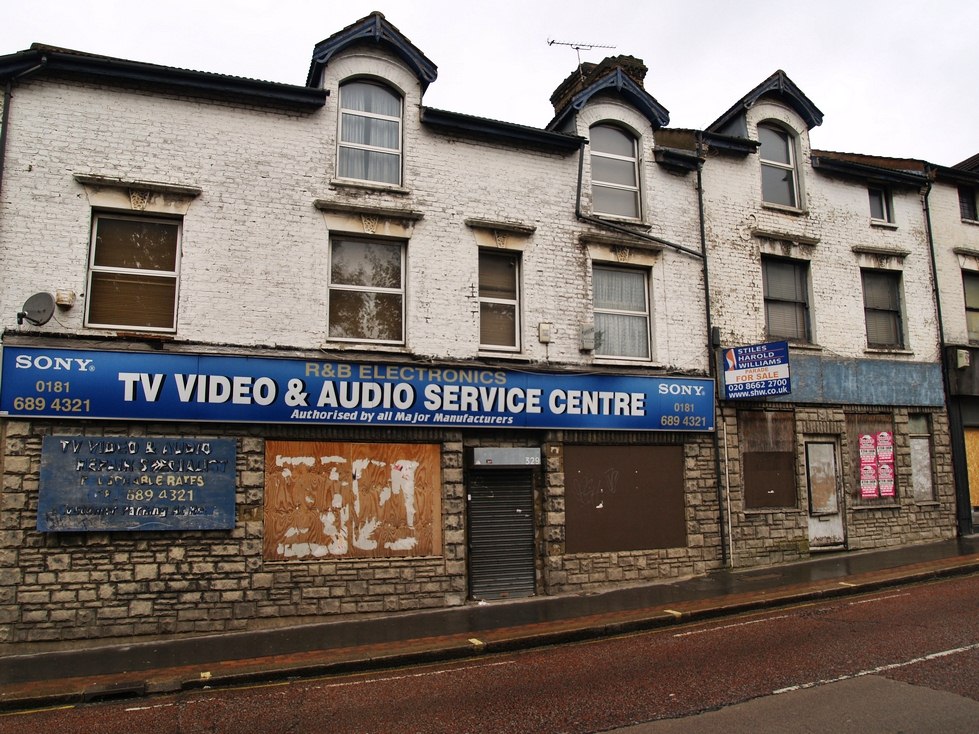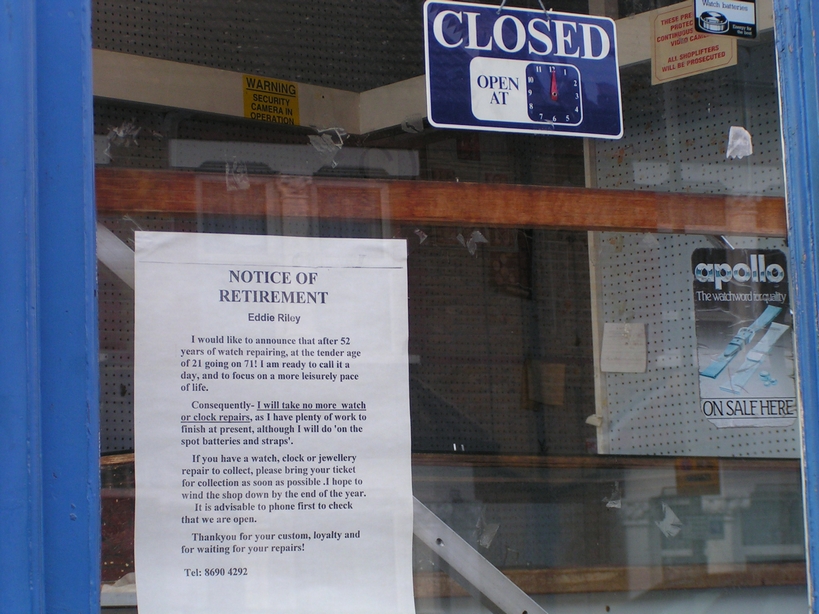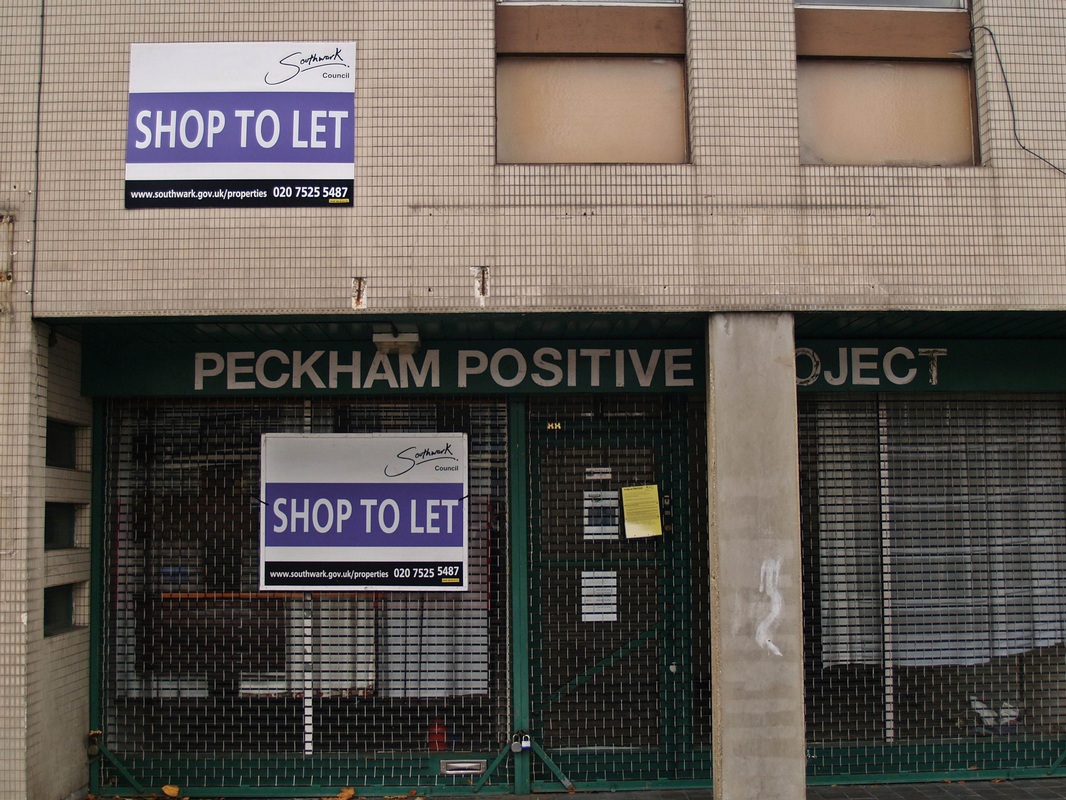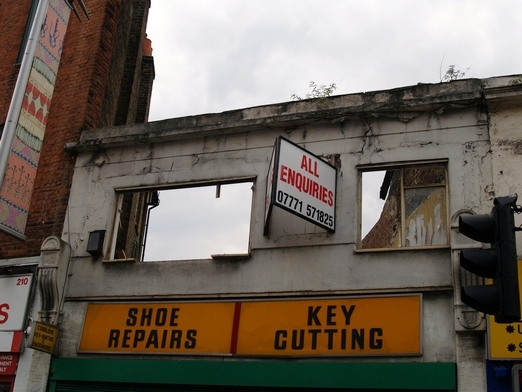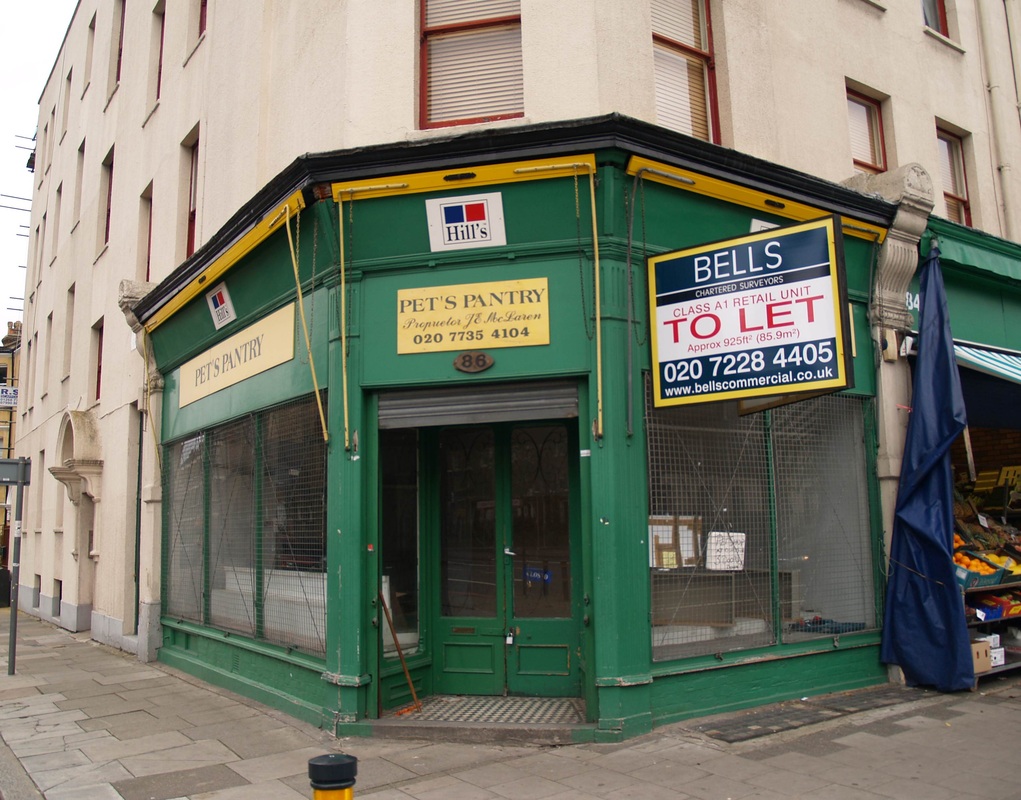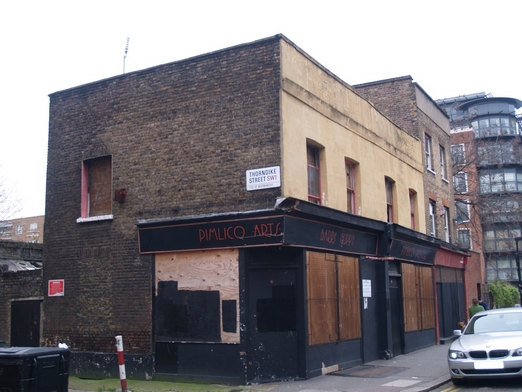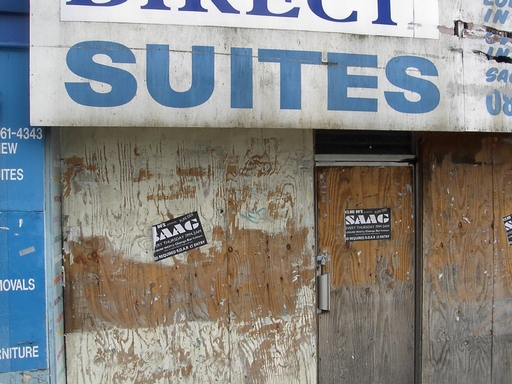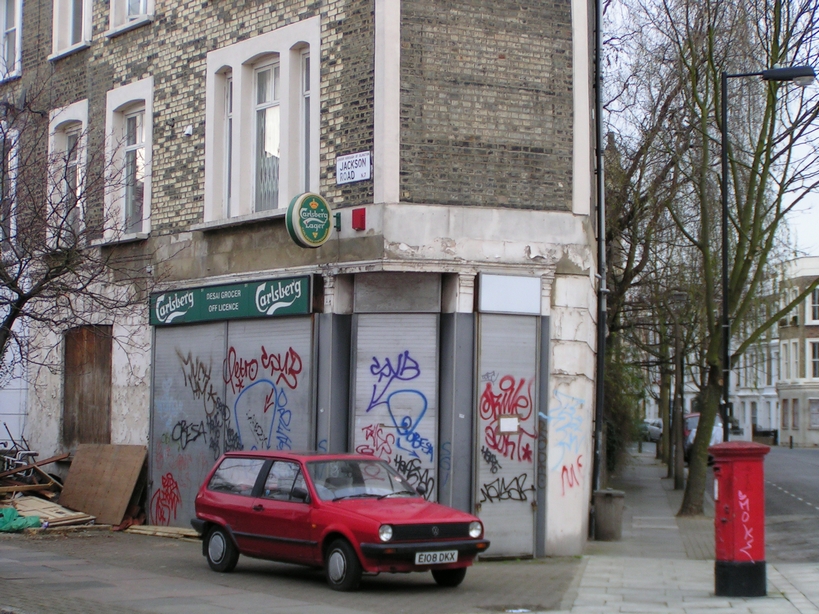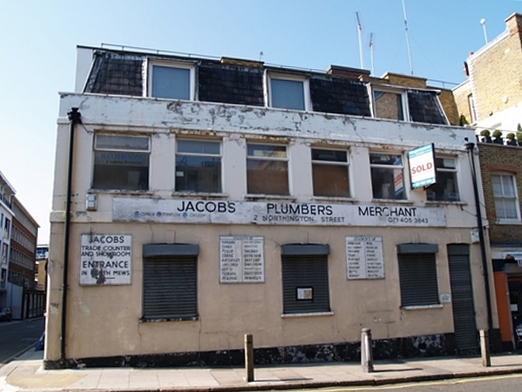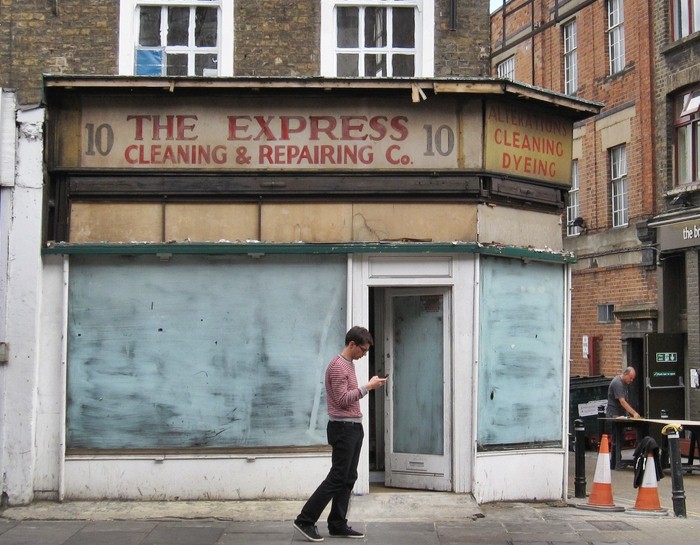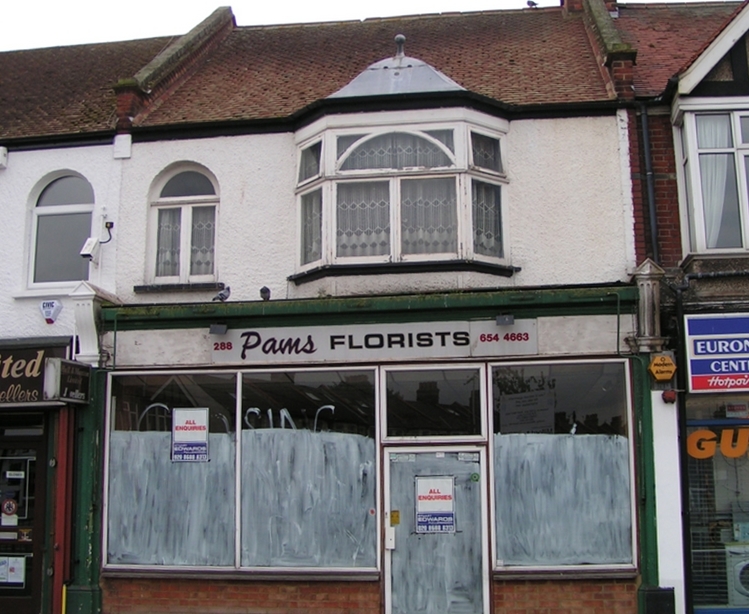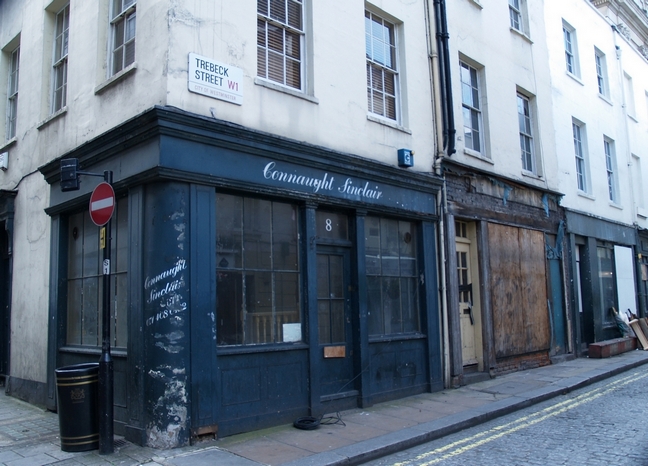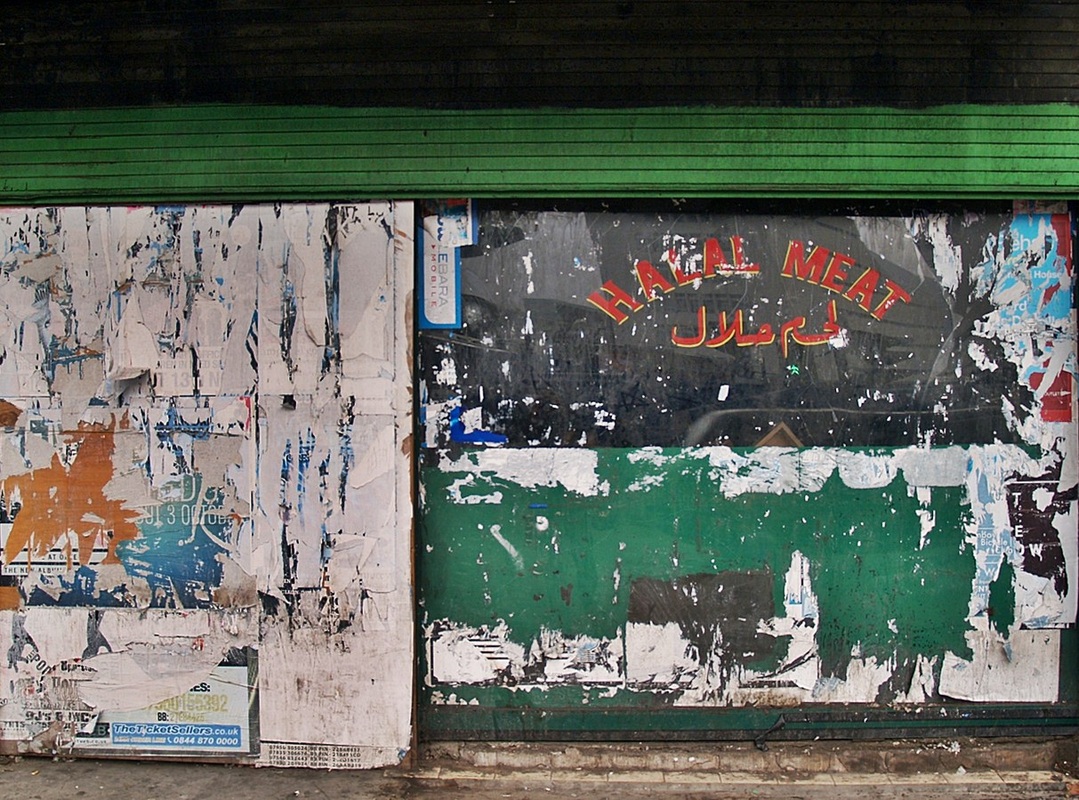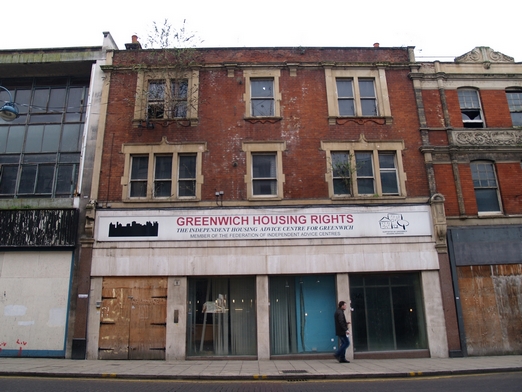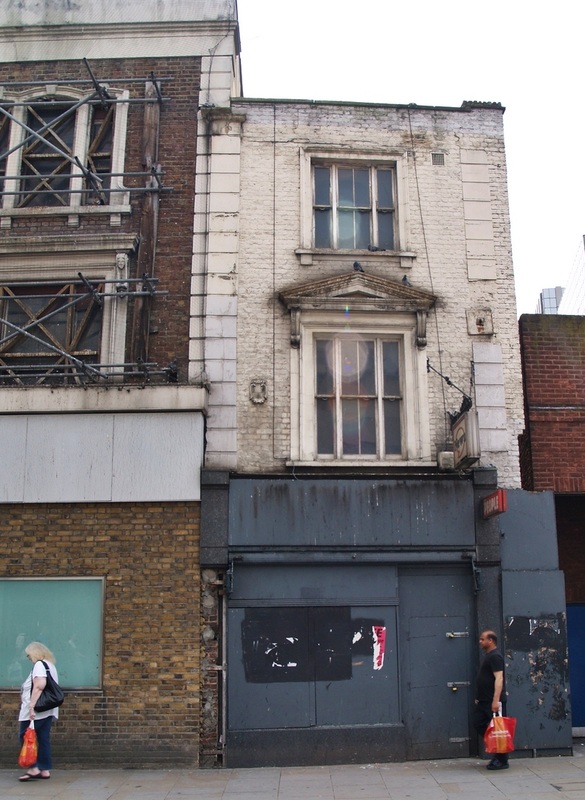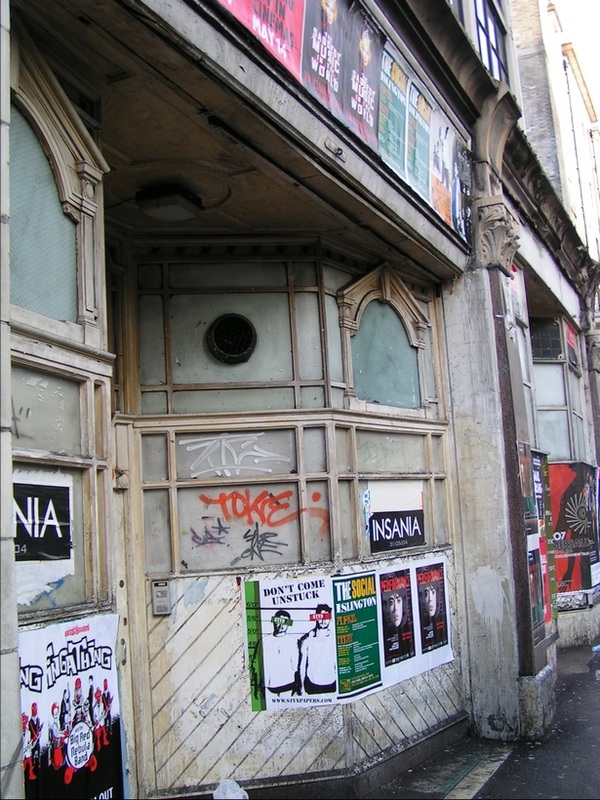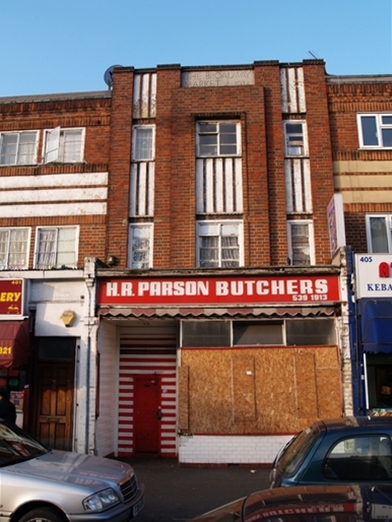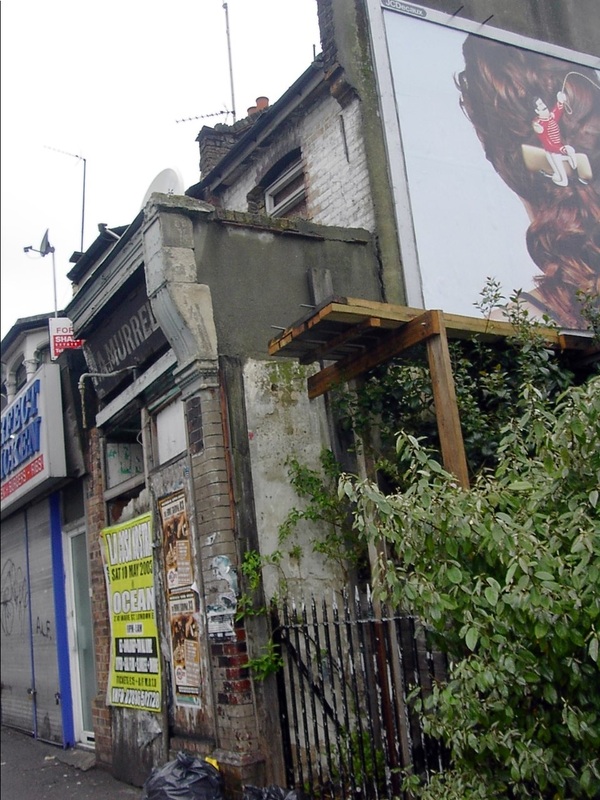
Donald Clarke writing for the Irish Times sums up the situation perfectly:
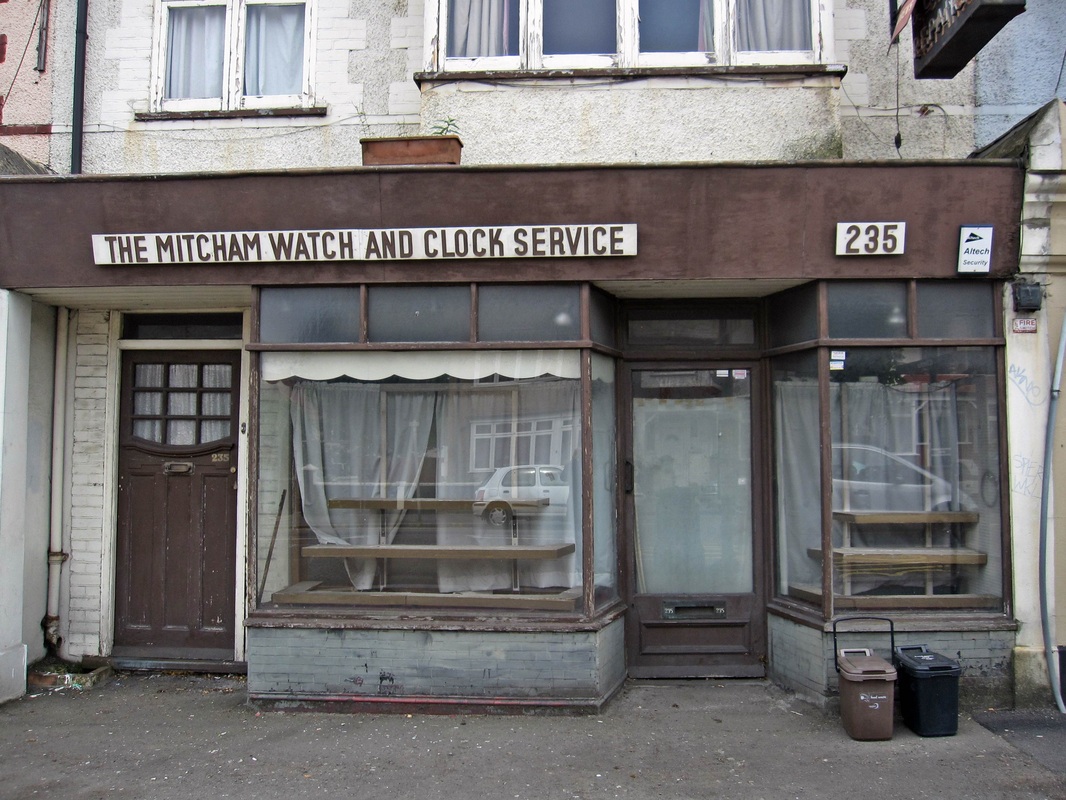
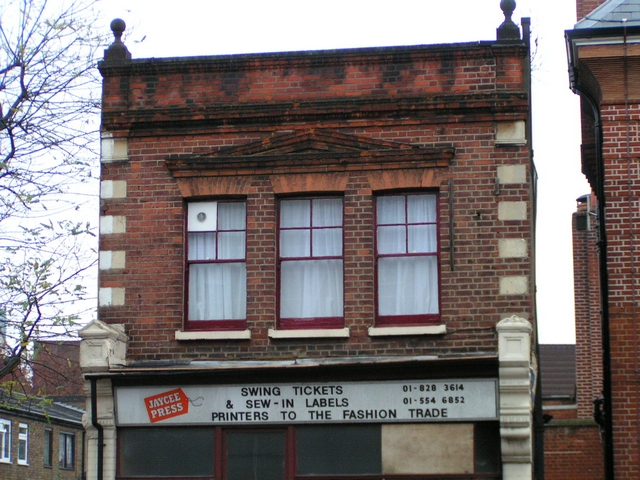
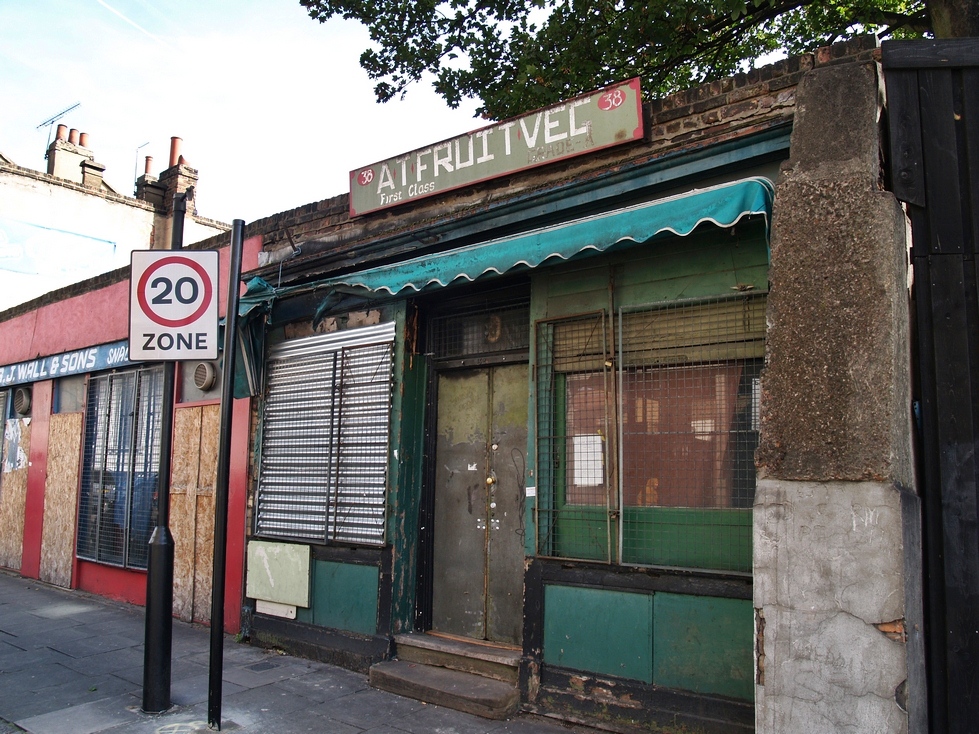
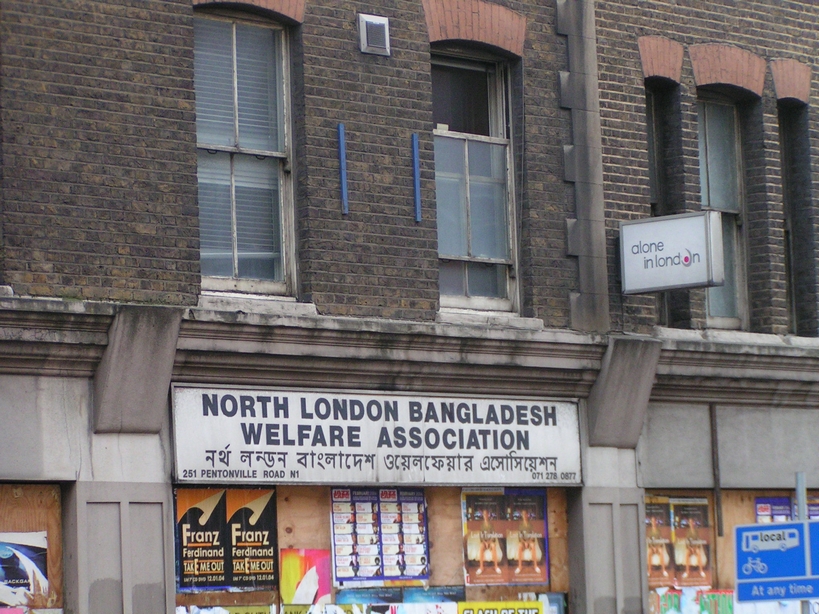
"In the 1980s you could still visit a city in Britain or Ireland and expect to see unfamiliar shops.
Depressingly few of your purchases will have been made in the sort of shop you see in Dickens adaptations. You know the type. They’ve got names like Mr Pundlechook’s Novelty Emporium and Sudbury and Sudbury’s Victuallers. Each right angle in the multi-paned window glistens with picturesque snow. A cheery, rubicund man wraps the purchases in brown paper and (without triggering any calls to social services) pinches every available baby on his or her plump cheek.
The few places that do still meet this description tend to be vanity projects run by the idle mistresses of dissolute millionaires. How has that vulgar shop selling dog soap stayed in business? Don’t ask, darling.
Anyway, too much actual shopping – as opposed to the virtual online sort – takes place in one class of chain store or another. A Bucket o’ Sox from Marks and Spencer, a vat of sherry from Tesco, one of the late Mr Jobs’s tablets from PC World – the retail empires’ grip is becoming ever tighter and ever more unyielding. All this happened relatively recently.
In the 1980s you could still visit a city in Britain or Ireland and reasonably expect to see a variety of unfamiliar shops - the sorts of places where shiny-headed men, tape measures draped ceremonially over shoulders, were permanently on hand to estimate inside legs or assess hat sizes. Actual waitresses served grey, astringent coffee in moderately elegant cafes.
Such is the dulling of the high street that whole towns now seem cloned from a dreary specimen kept in an evil genius’s hidden lair. In 2004, the New Economics Foundation, a British think tank, published a report entitled Clone Town Britain.
According to this terrifying document, nearly half the towns in the UK can be classed as clones. Travel to such a place and, likely as not, you can buy your razor from Boots, your coffee from Starbucks and your newspaper from WH Smith.
Starbucks’ faux hippie coffee store – music by generic bores such as the supernaturally soporific Jack Johnson – now allows Spanish students to drink the same consistently average product in every city they invade.
A degree of drab, tolerable uniformity is available to every citizen of the western world. Even Karl Marx didn’t see that coming."
CLONE TOWNS
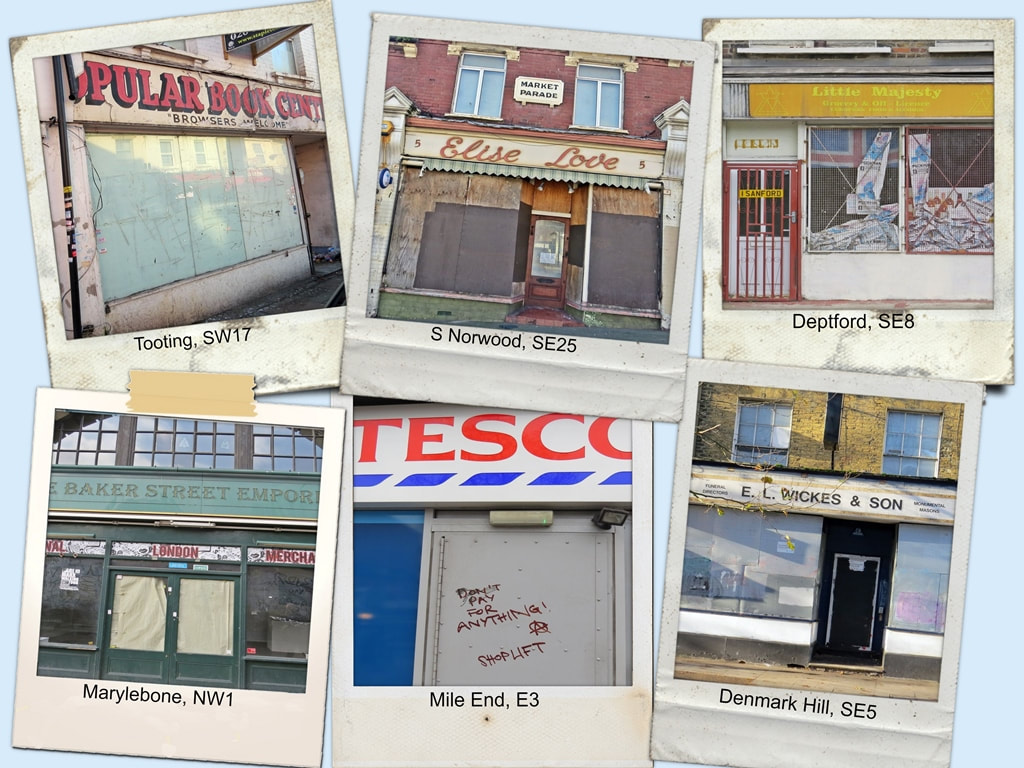
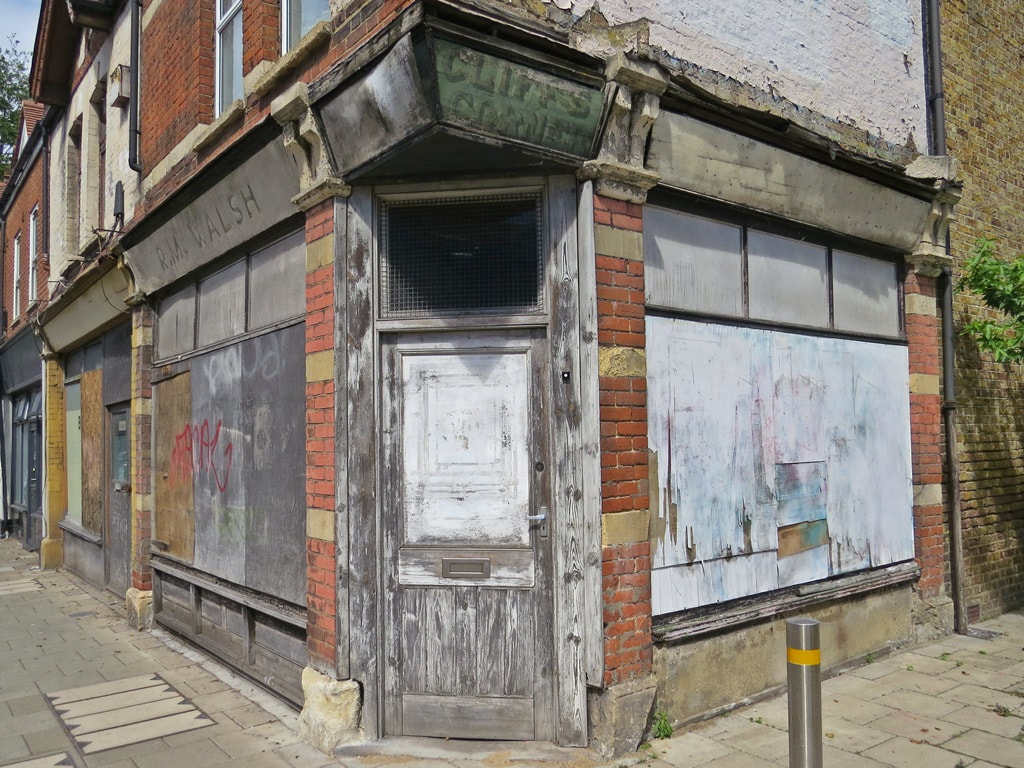
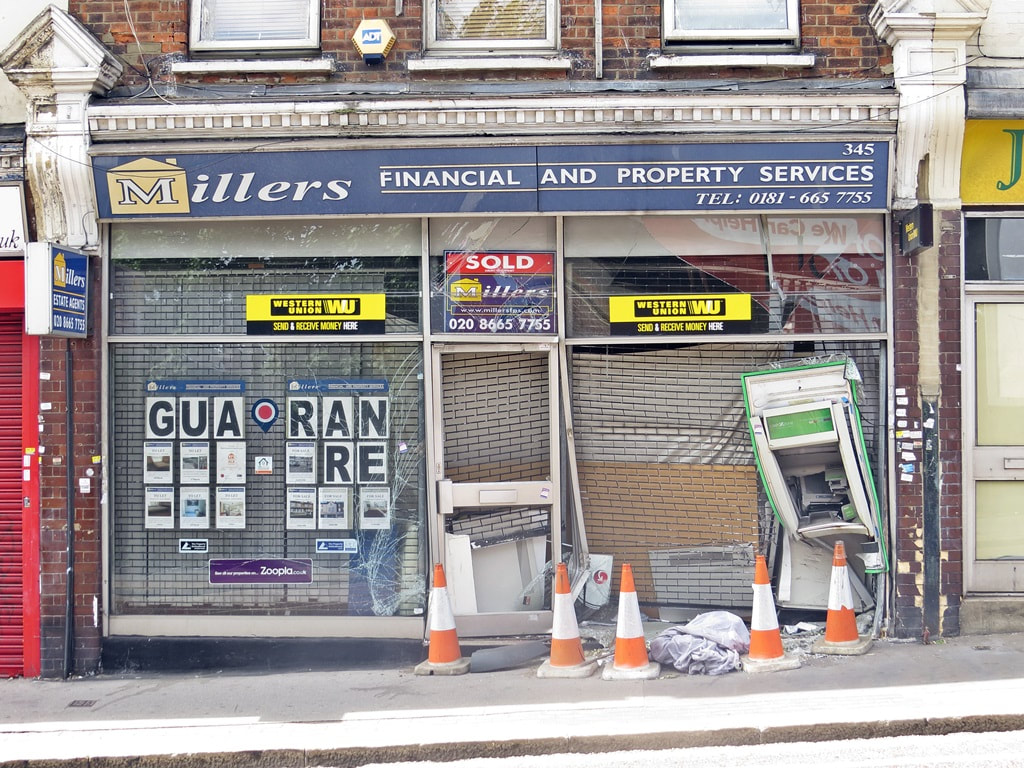
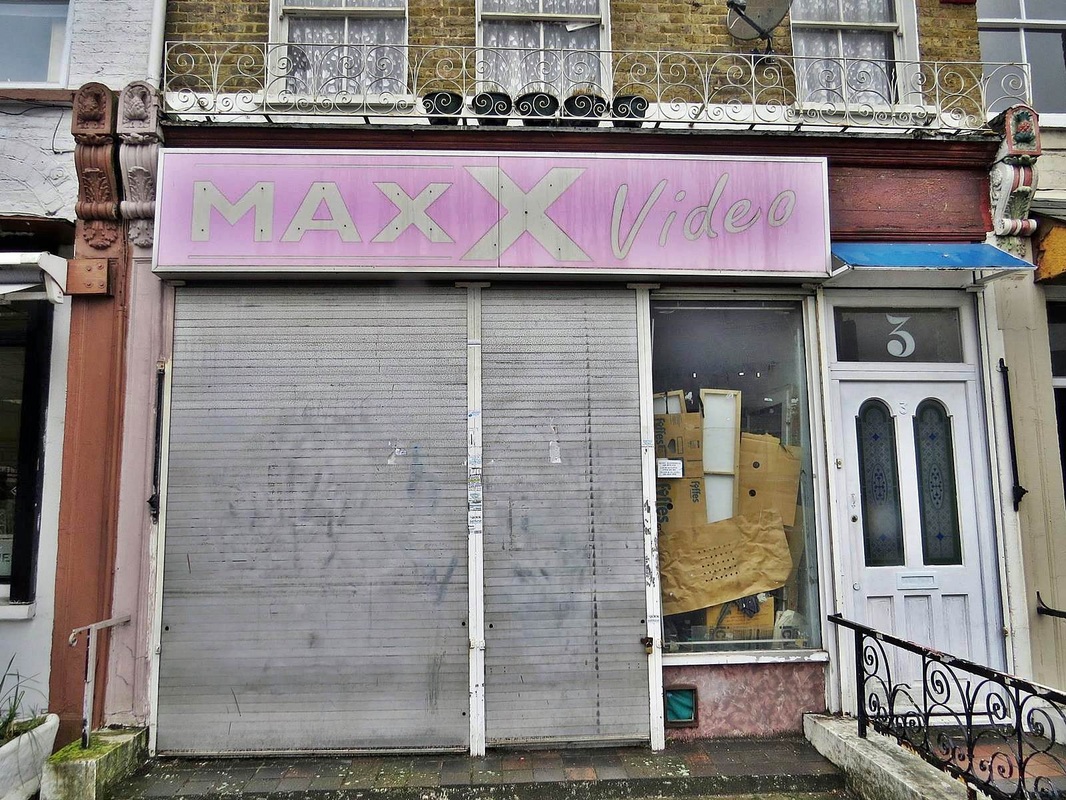
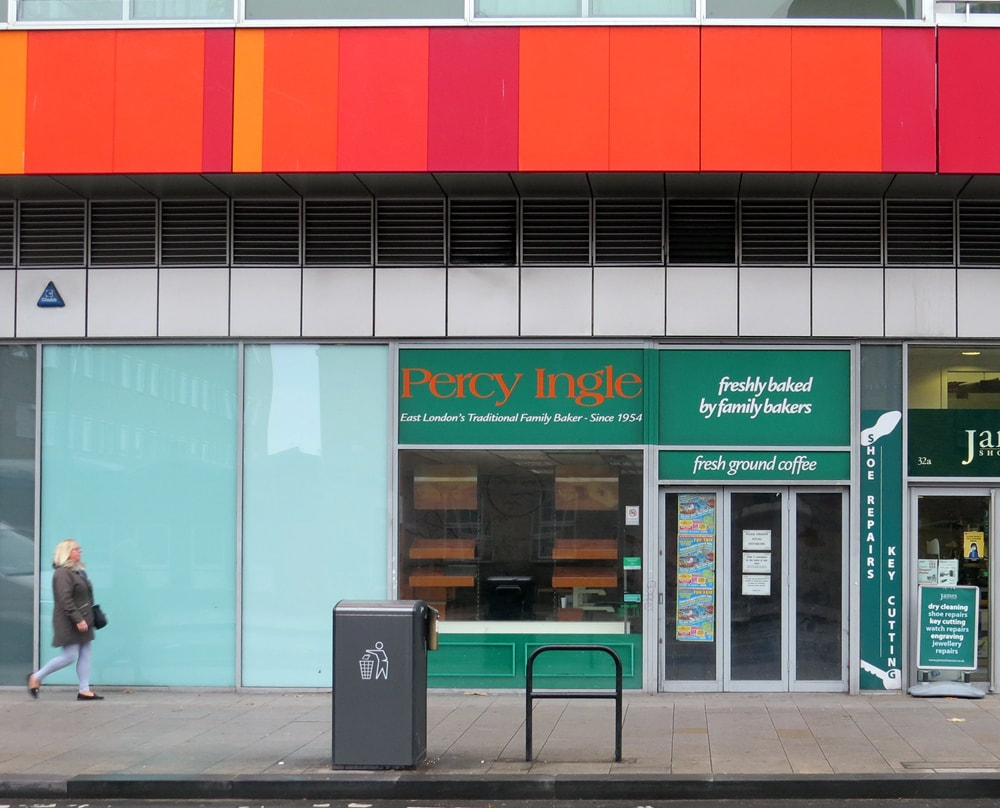
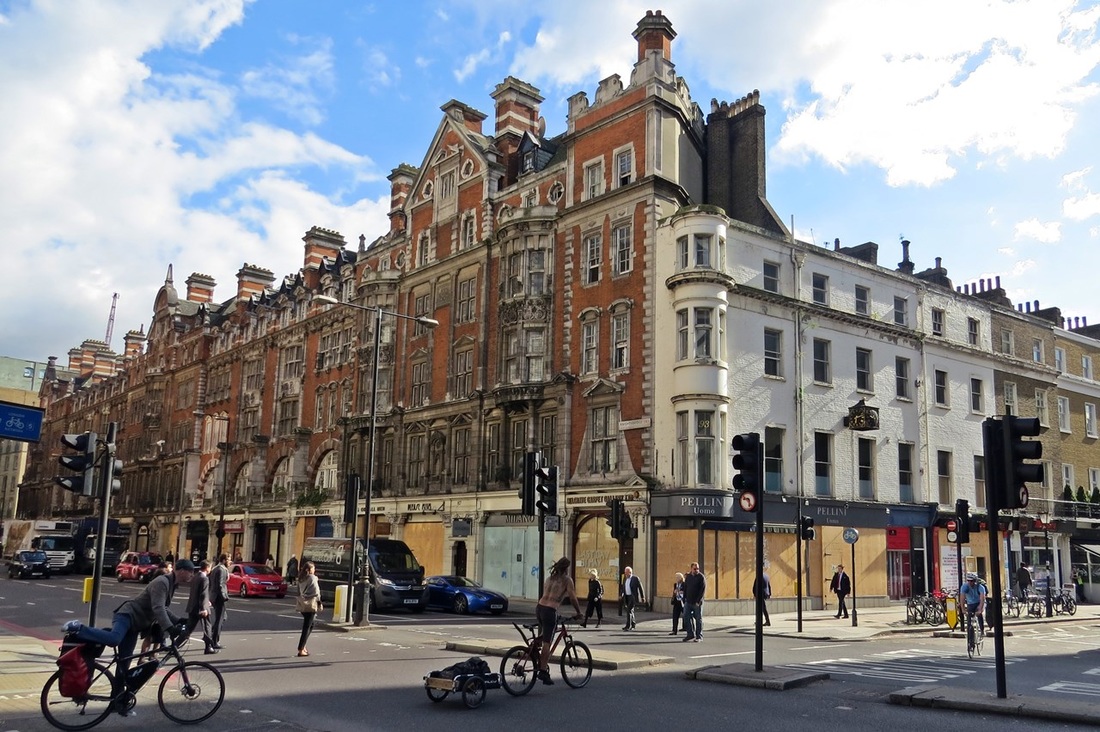
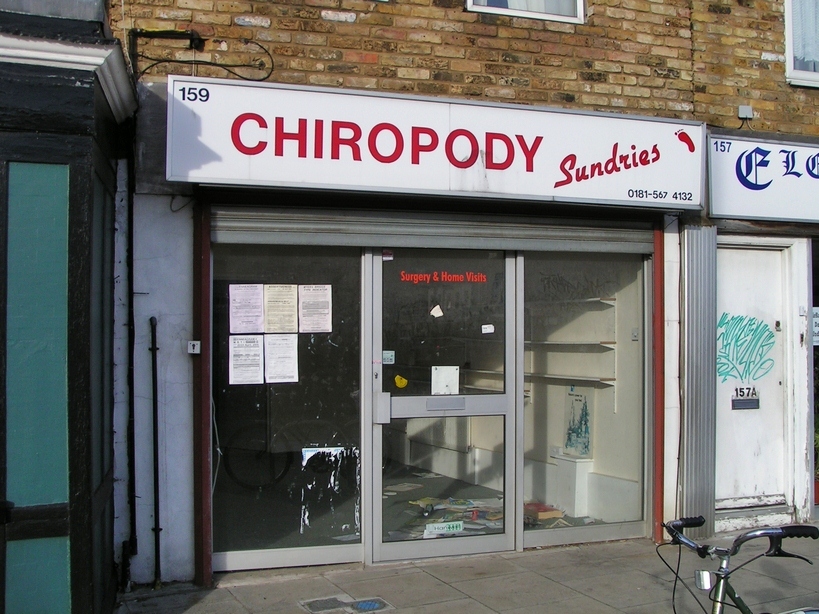
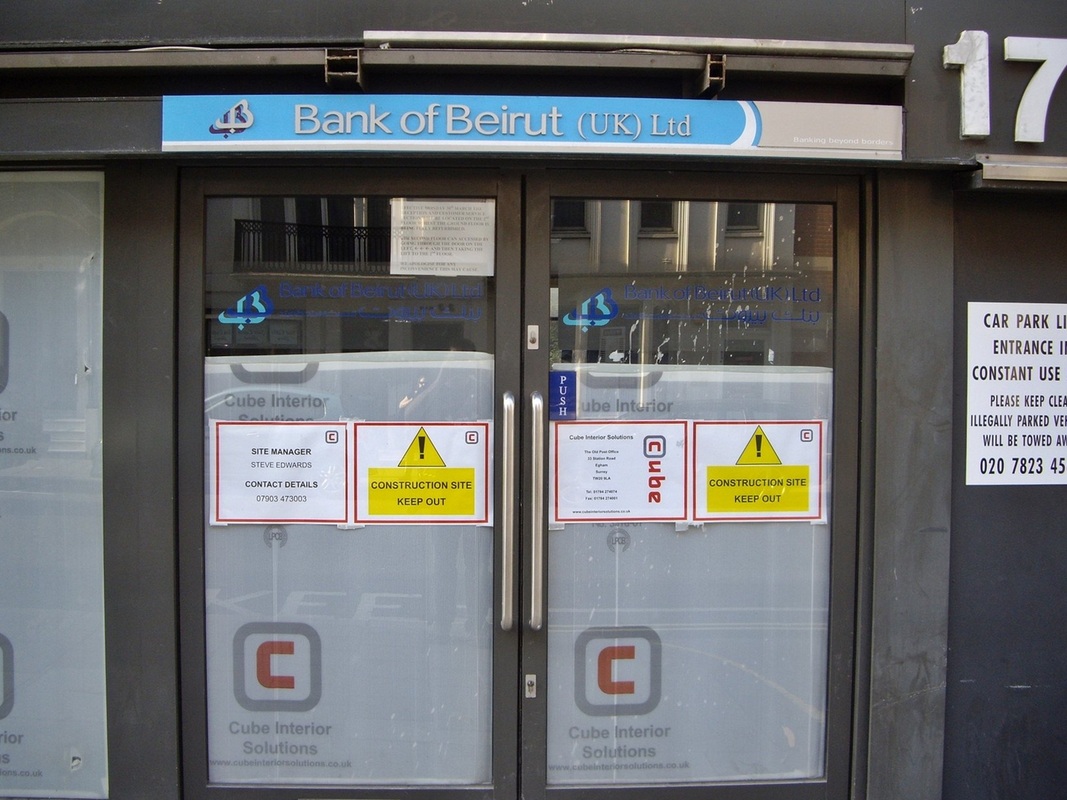
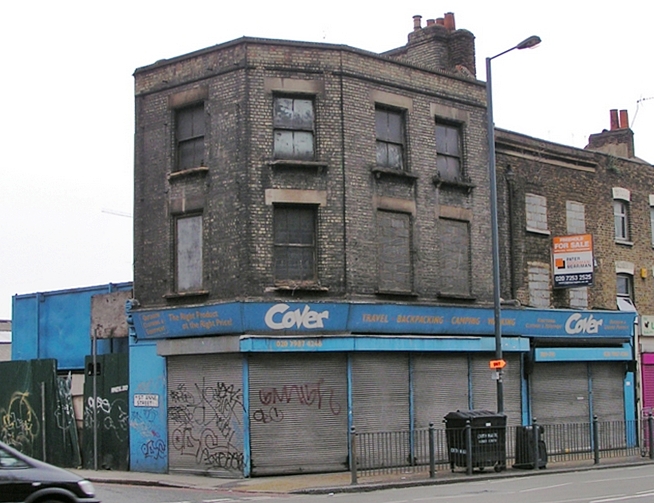
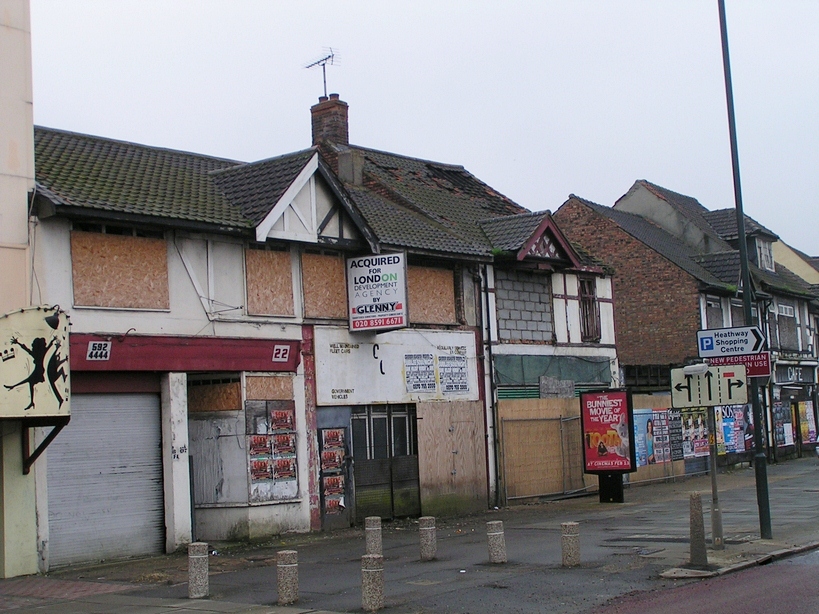
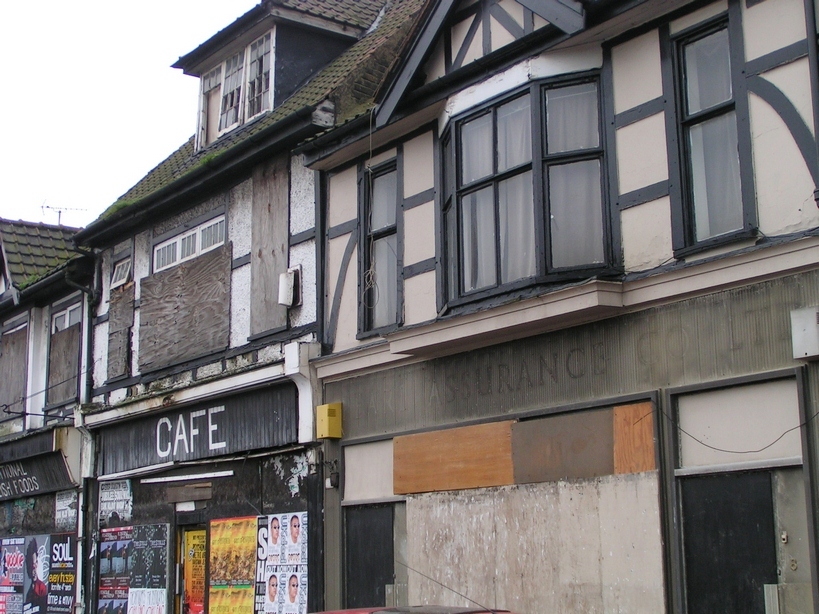
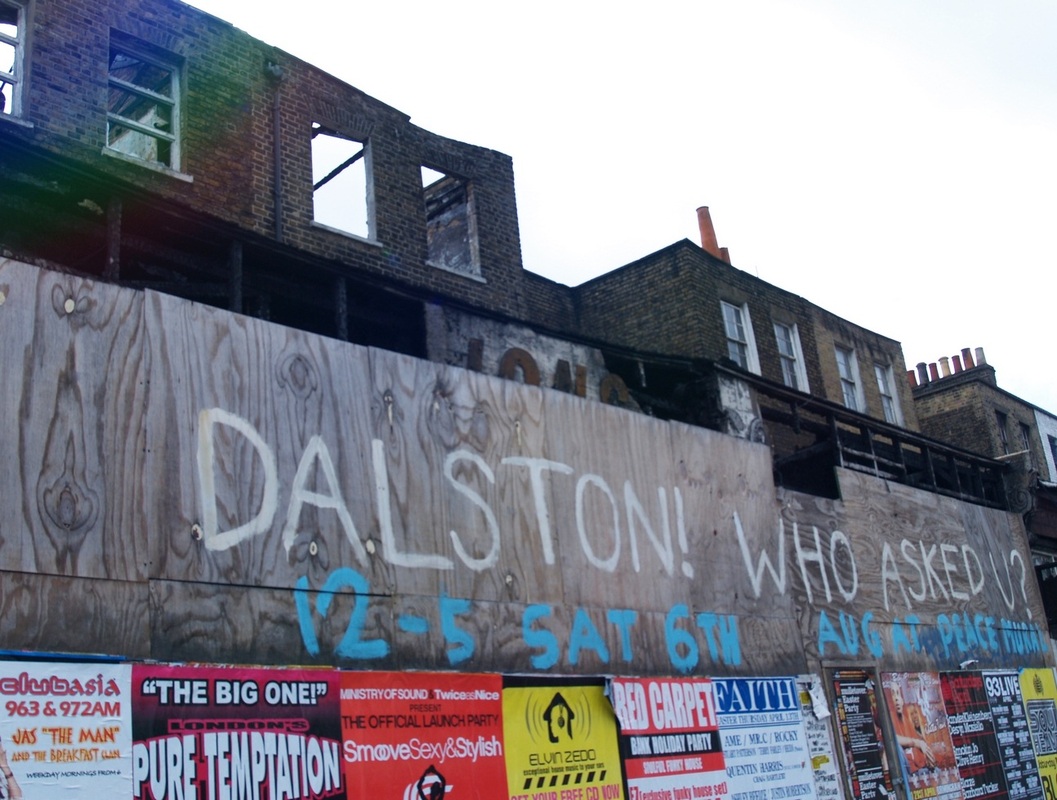
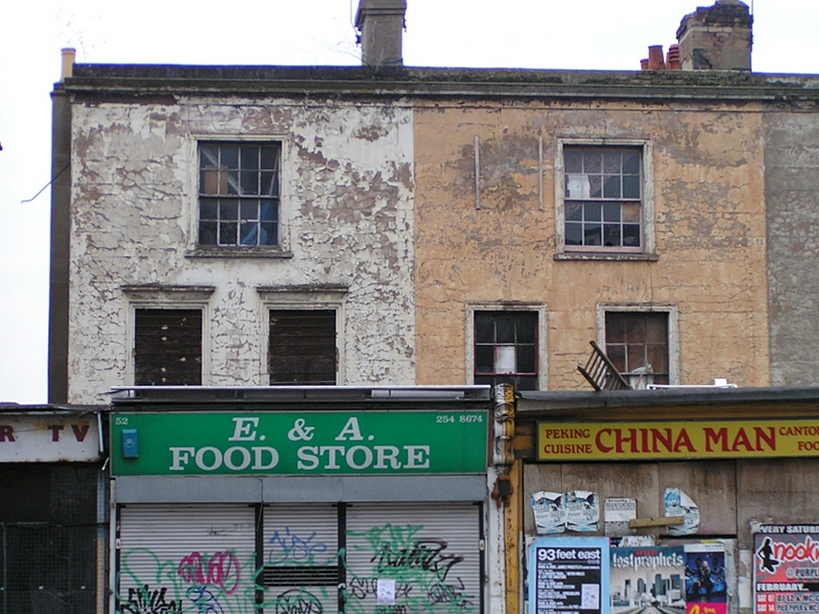
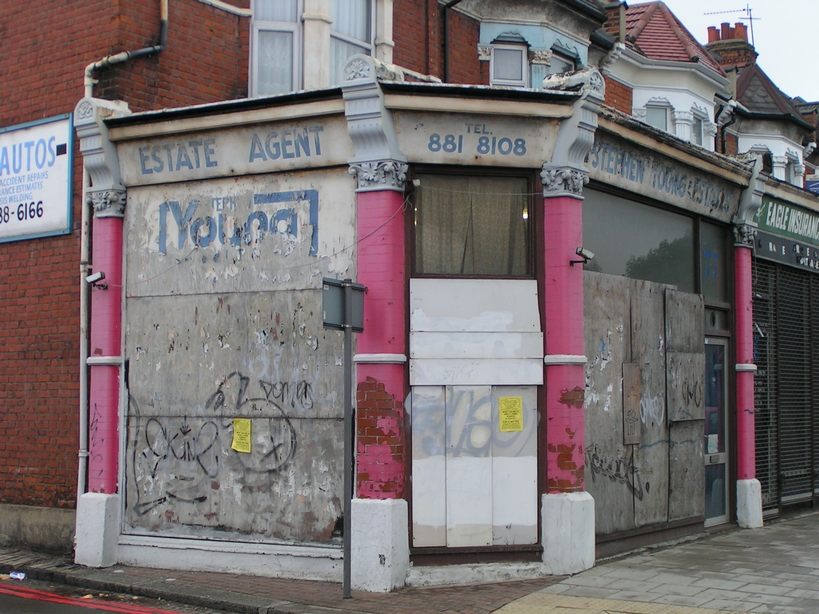
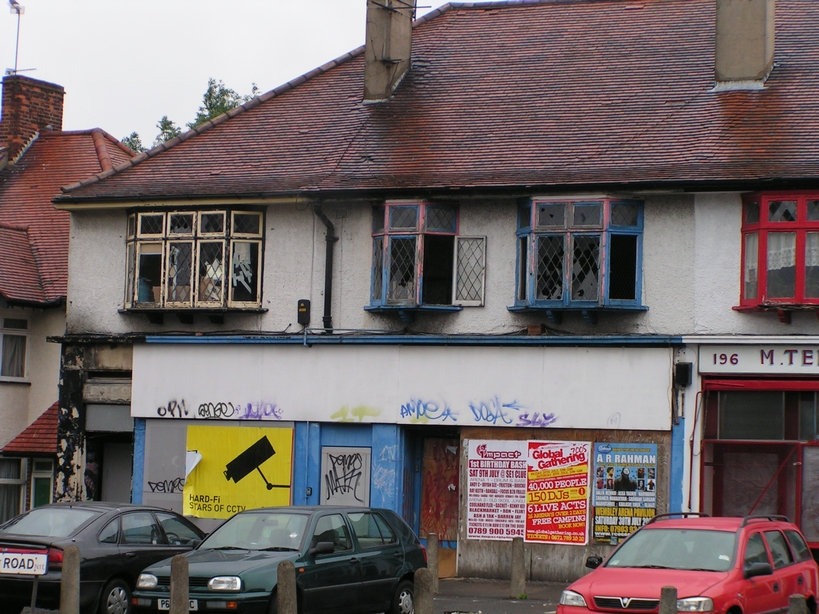
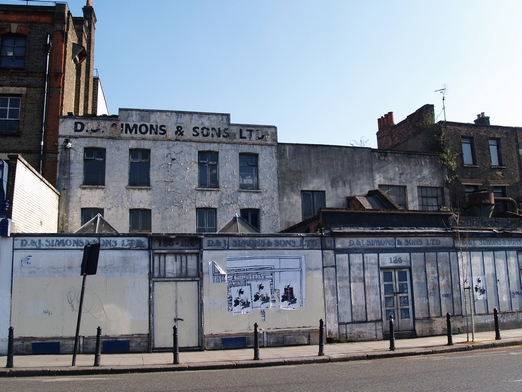
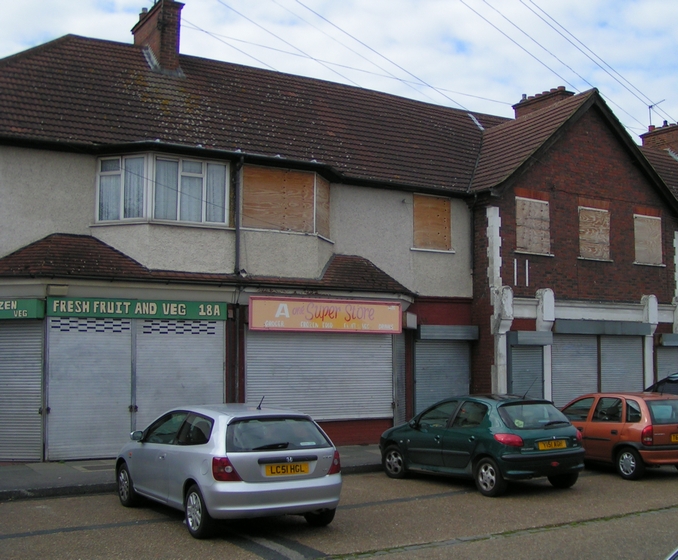
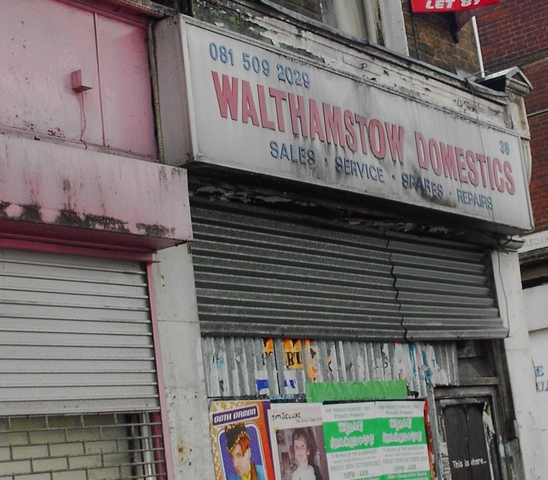
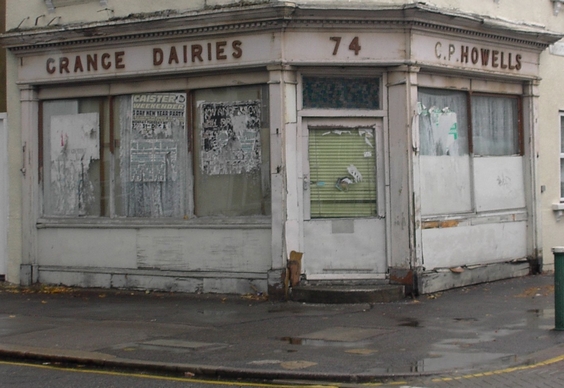
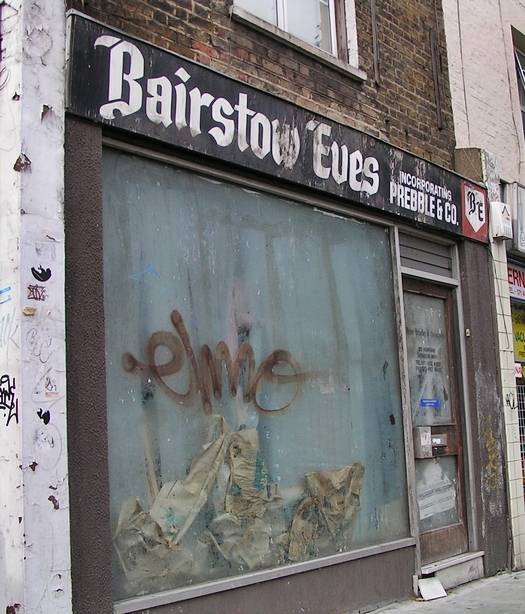
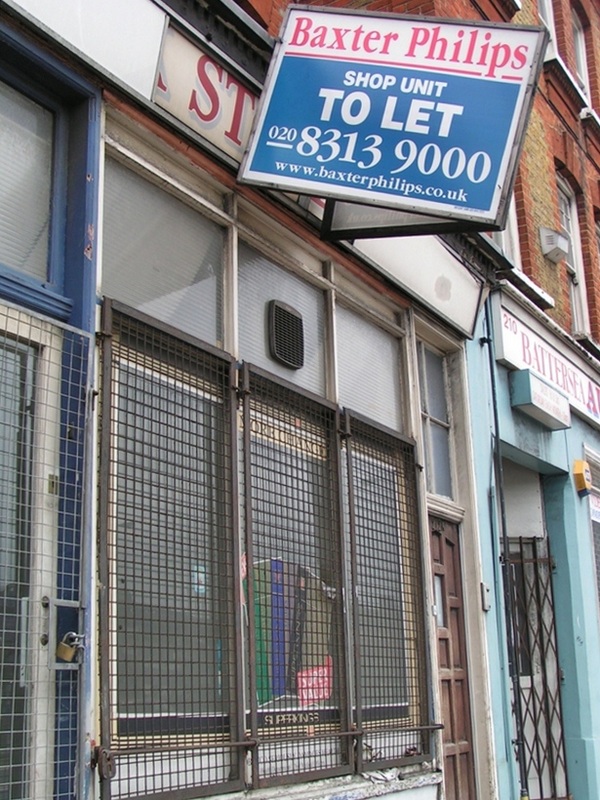
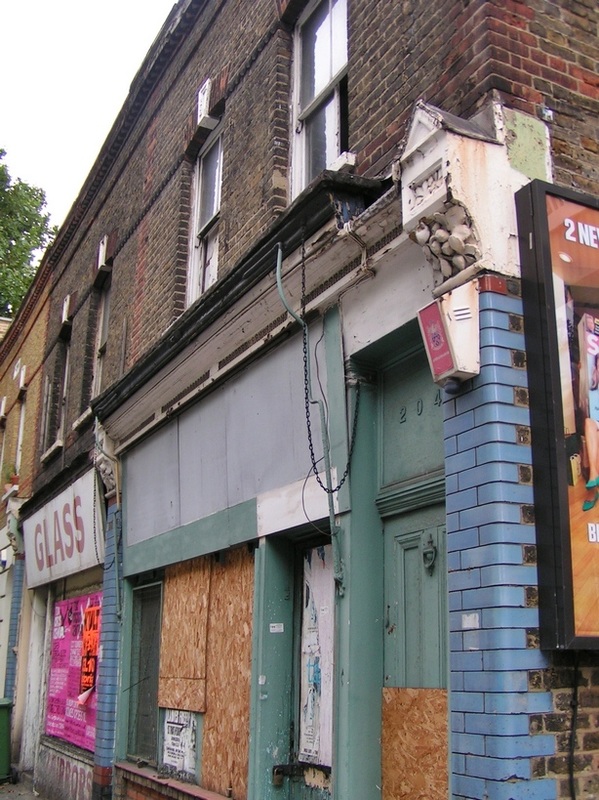
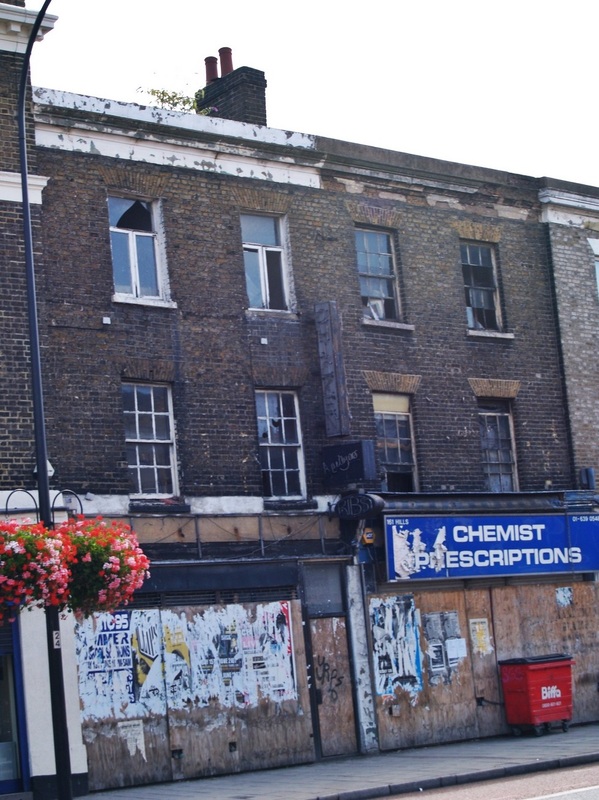
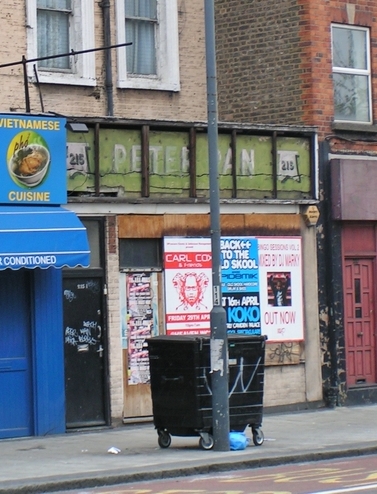
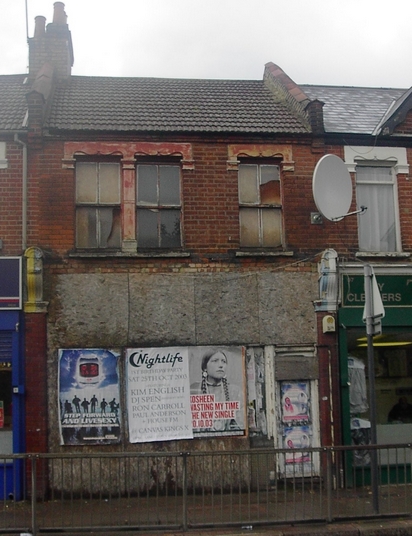
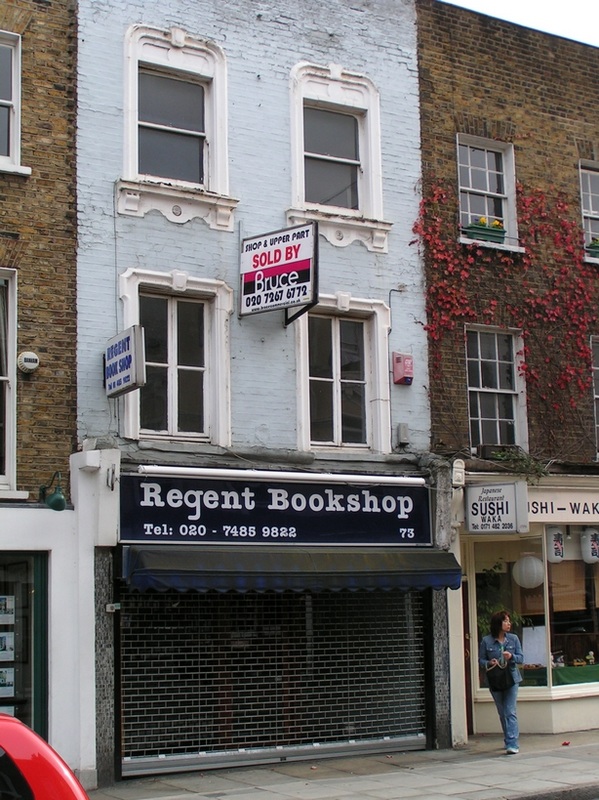
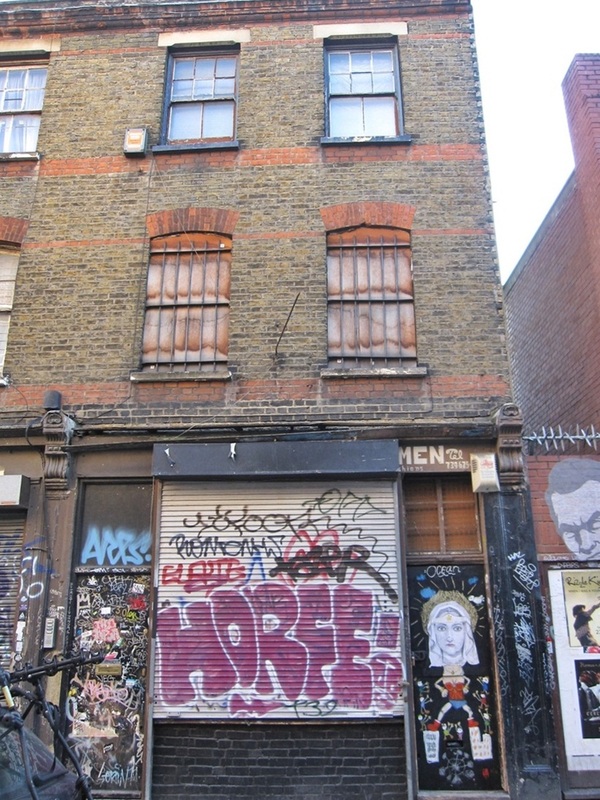
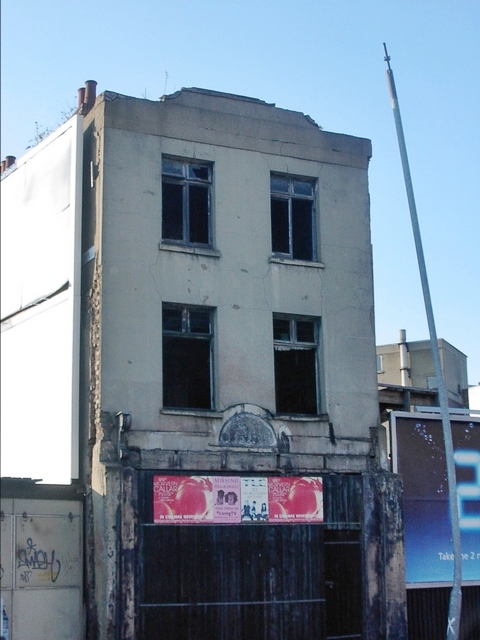
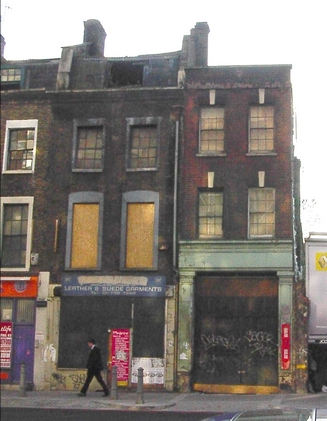
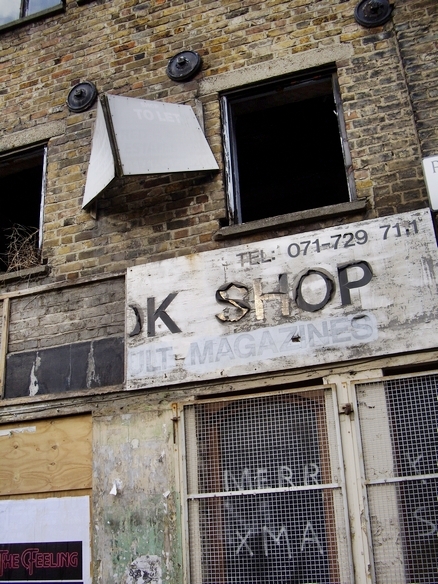
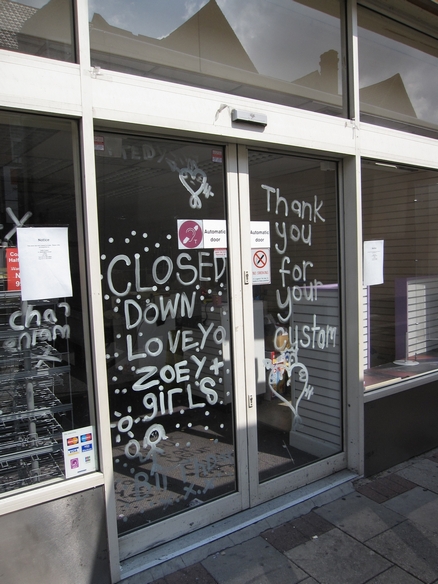
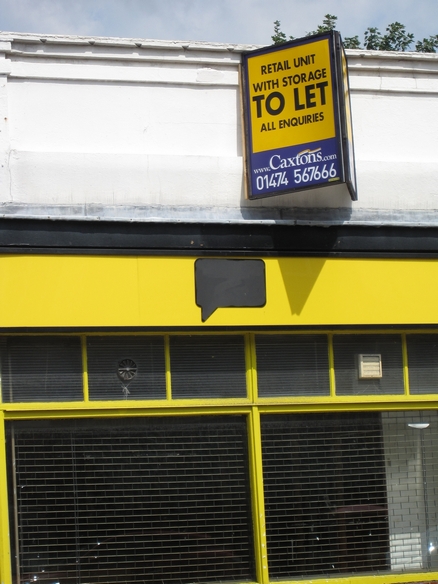
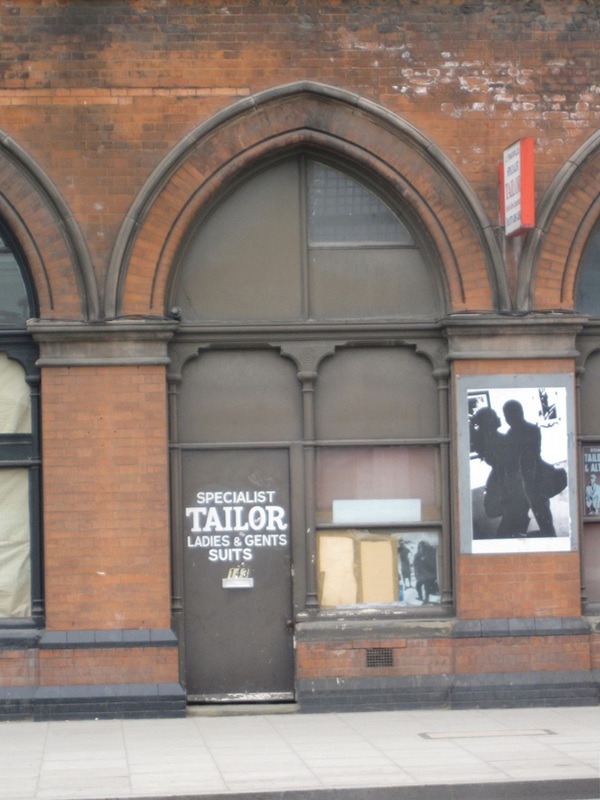
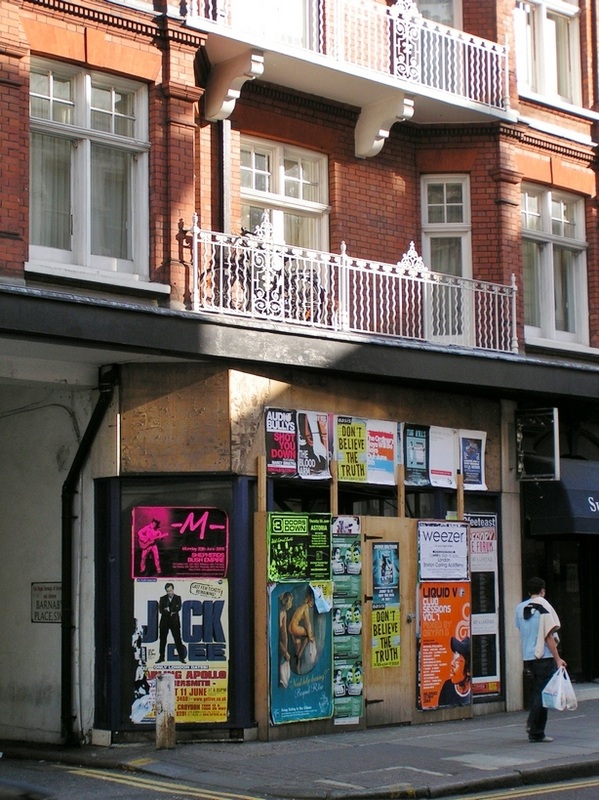
The New Economics Foundation coined the term 'clone town' to describe a phenomenon which is transforming British high streets. Real local shops have been replaced by swathes of identikit chain stores that seem to spread like economic weeds, making high streets up and down the country virtually indistinguishable from one another. Retail spaces once filled with a thriving mix of independent butchers, newsagents, tobacconists, pubs, bookshops, greengrocers and family-owned general stores are becoming filled with faceless supermarket retailers, fast-food chains, and global fashion outlets. Many town centres that have undergone substantial regeneration have lost their sense of place and the distinctive facades of their high streets under the march of the glass, steel, and concrete blandness of chain stores built for the demands of inflexible business models that provide the ideal degree of sterility to house a string of big, clone town retailers.
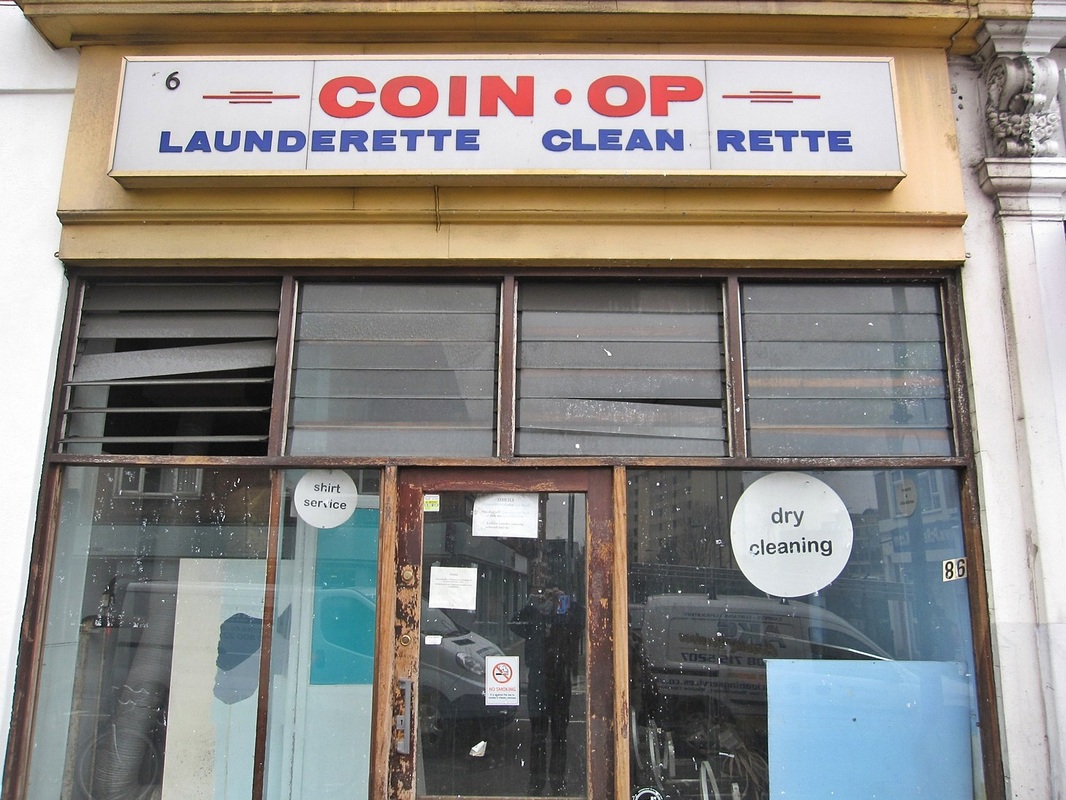
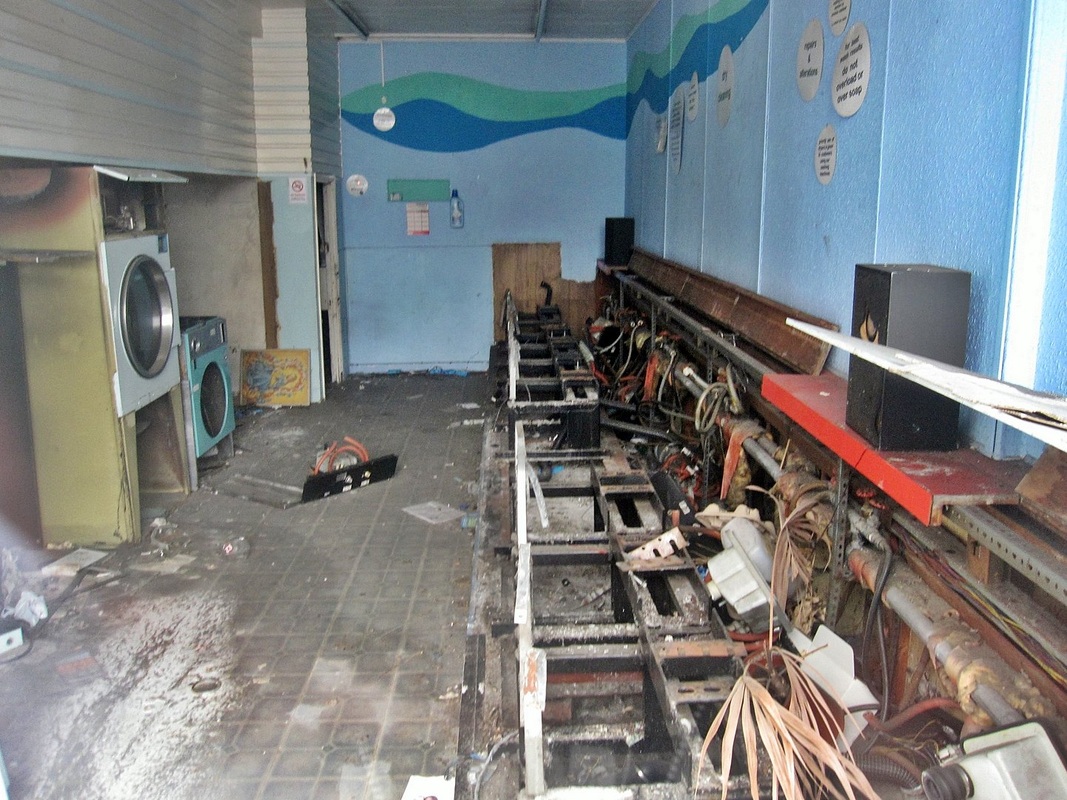
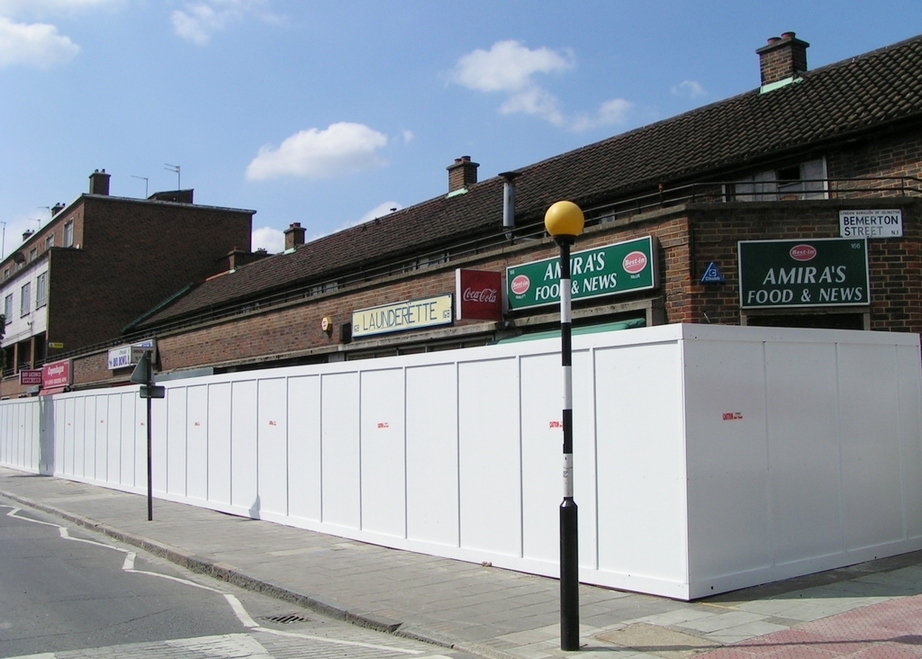
WEST KENSINGTON - The Decline of the Launderette
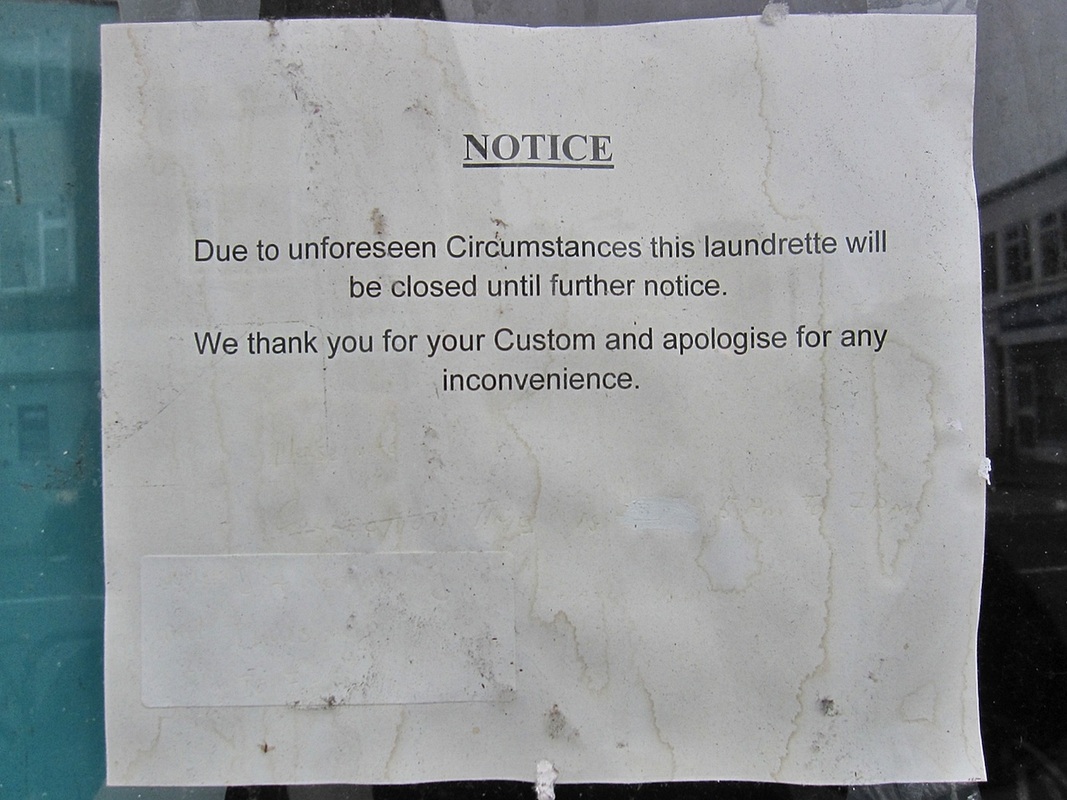
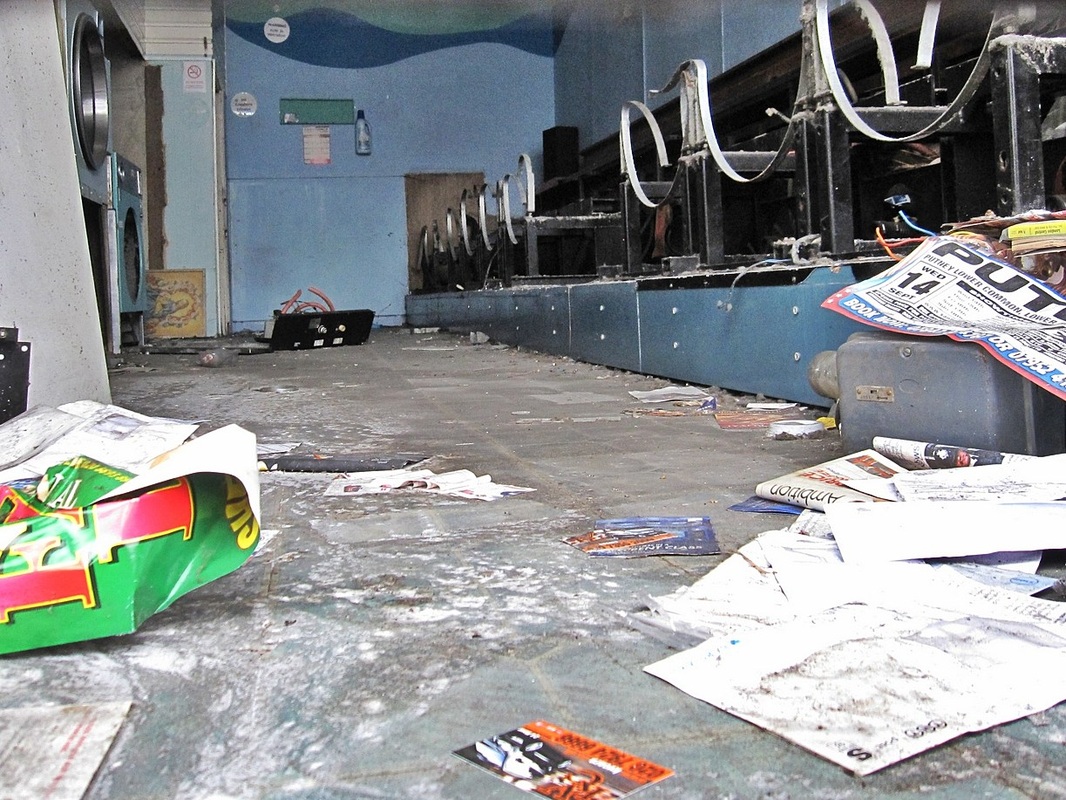
According to NALI, the National Association of the Launderette Industry, numbers of launderettes in the UK peaked at 12,500 in the early 80s but have since have dwindled to just 3,000.
The rise of the domestic machine coincided with the washers in launderettes becoming too expensive to repair, marking the start of their decline in British towns. A few still remain as not everyone has access to a domestic washing machine and those that do still make the occasional trip to the launderette to wash their duvet which wont fit into a domestic machine.
By the way, another West London launderette - Central Wash in Queensway is Britain's first self-service coin-operated launderette, which opened in 1949 and still survives today.
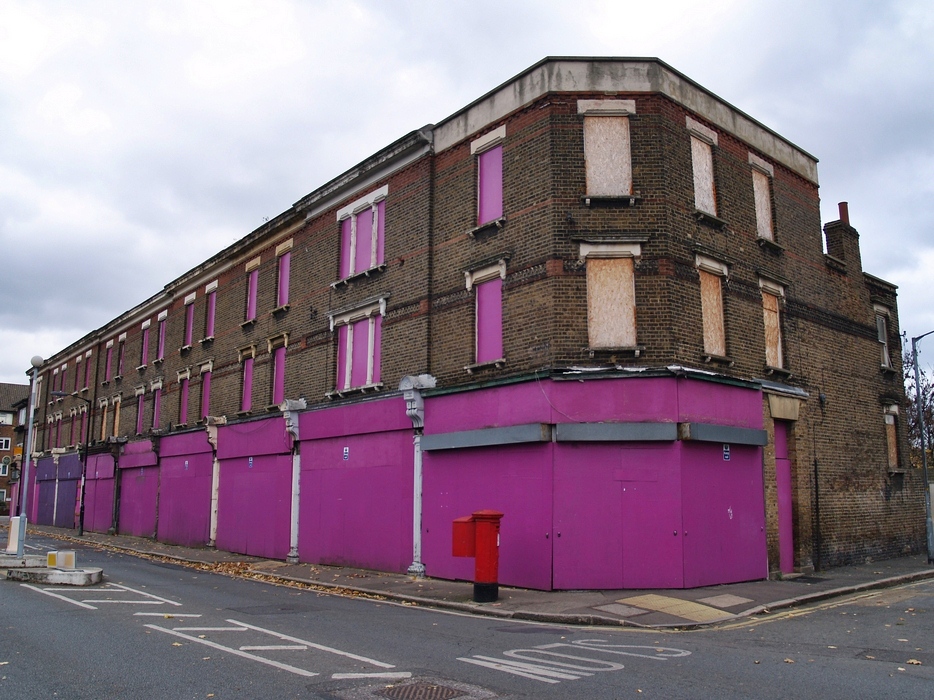
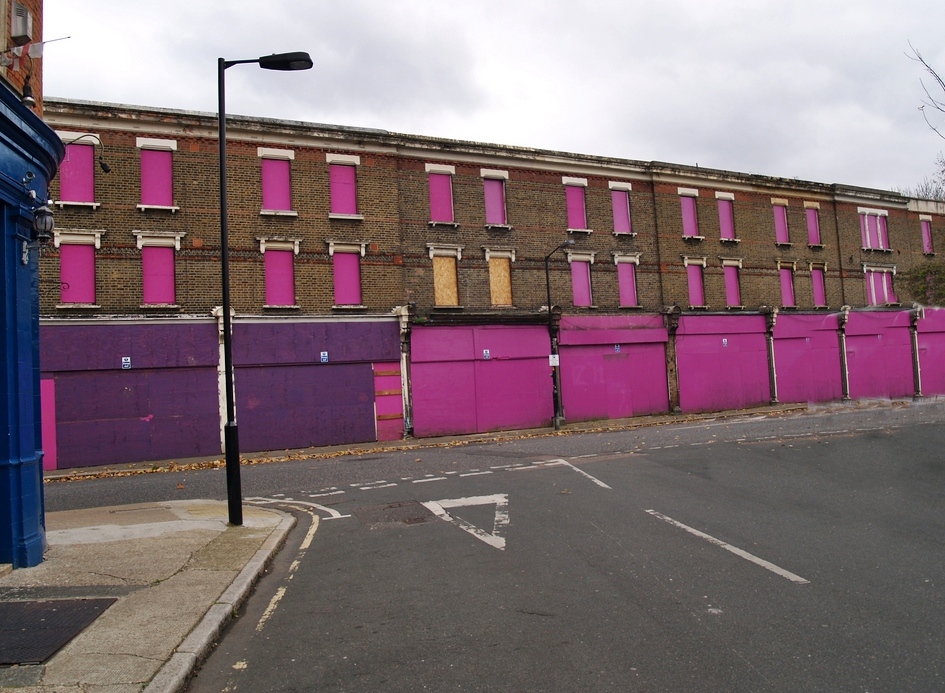
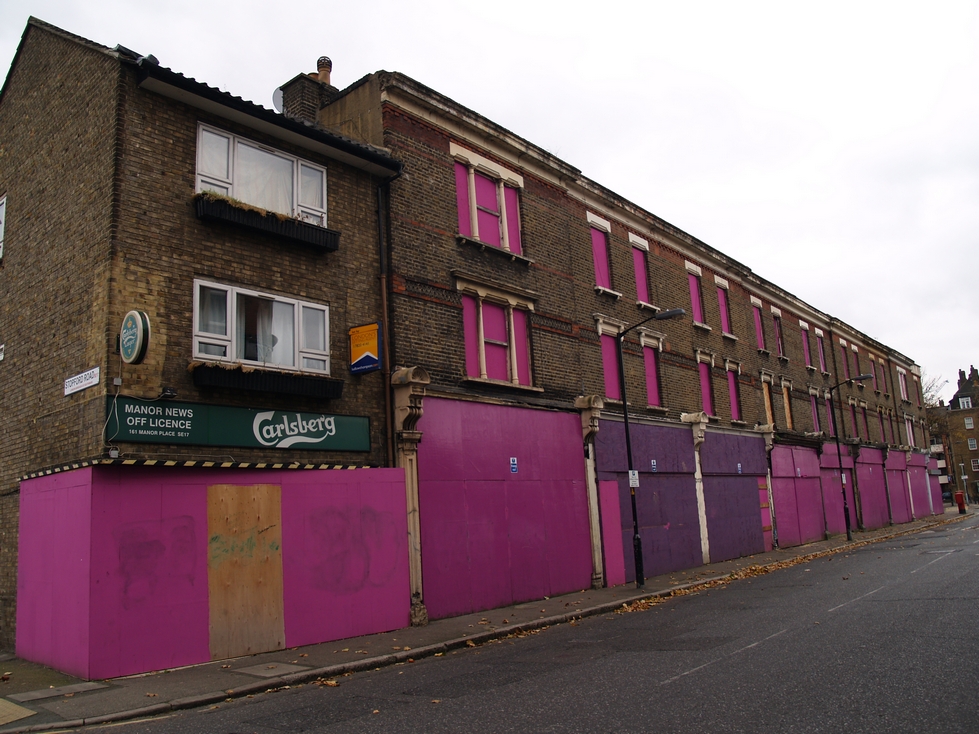
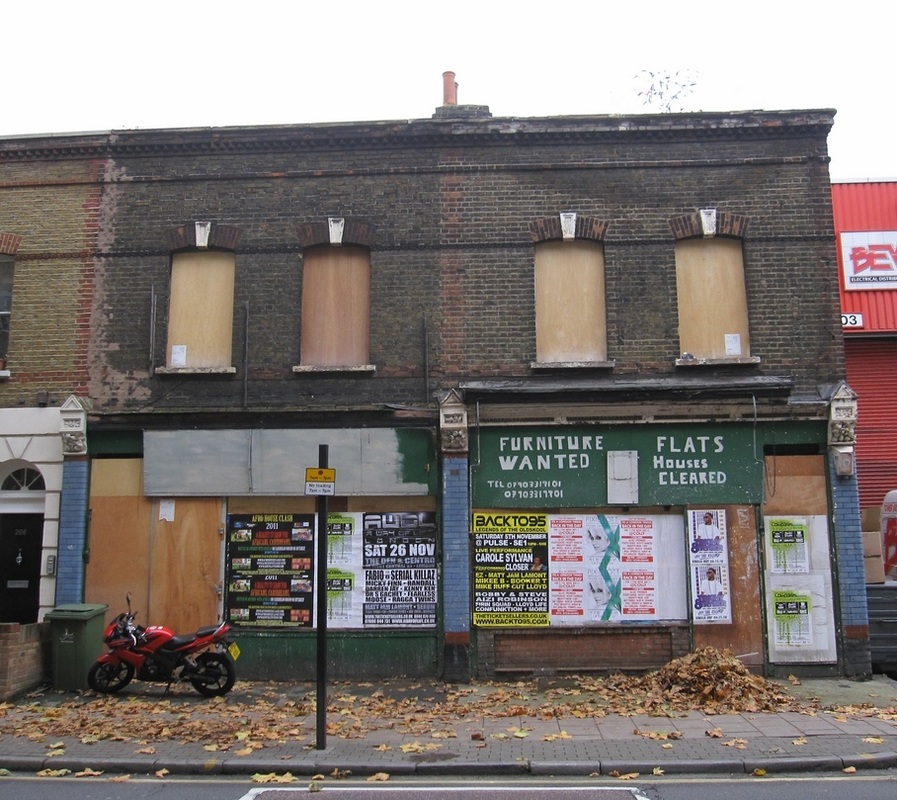
WALWORTH - Manor Place Shops
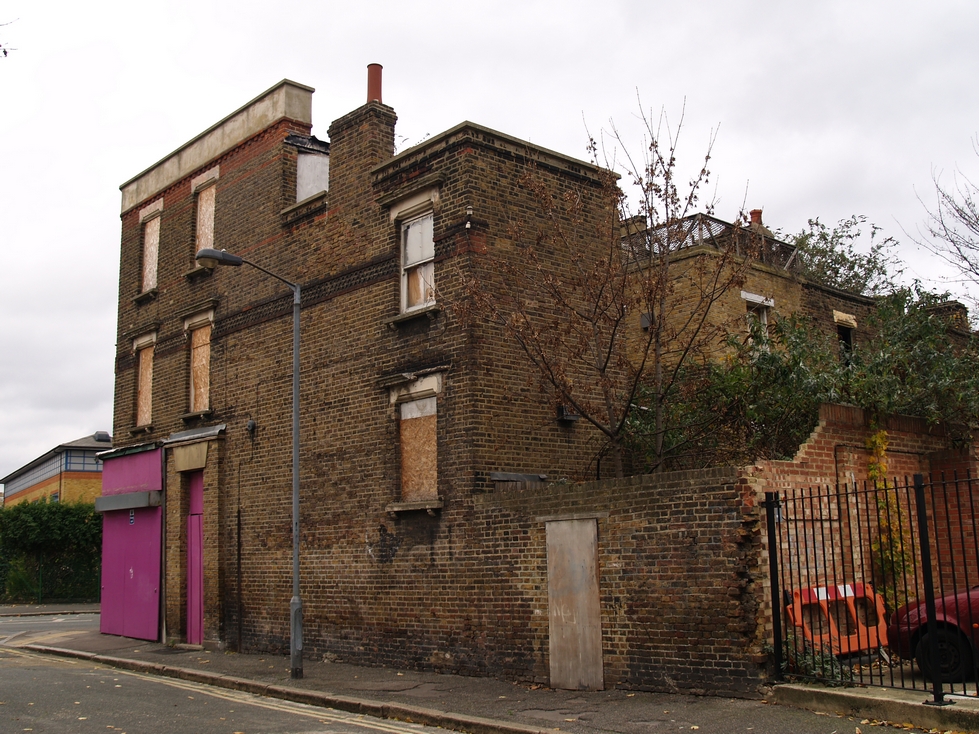
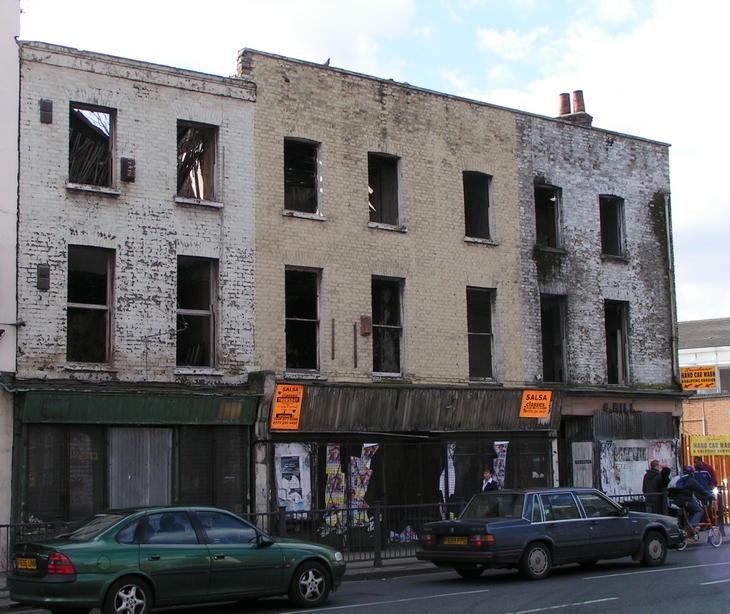
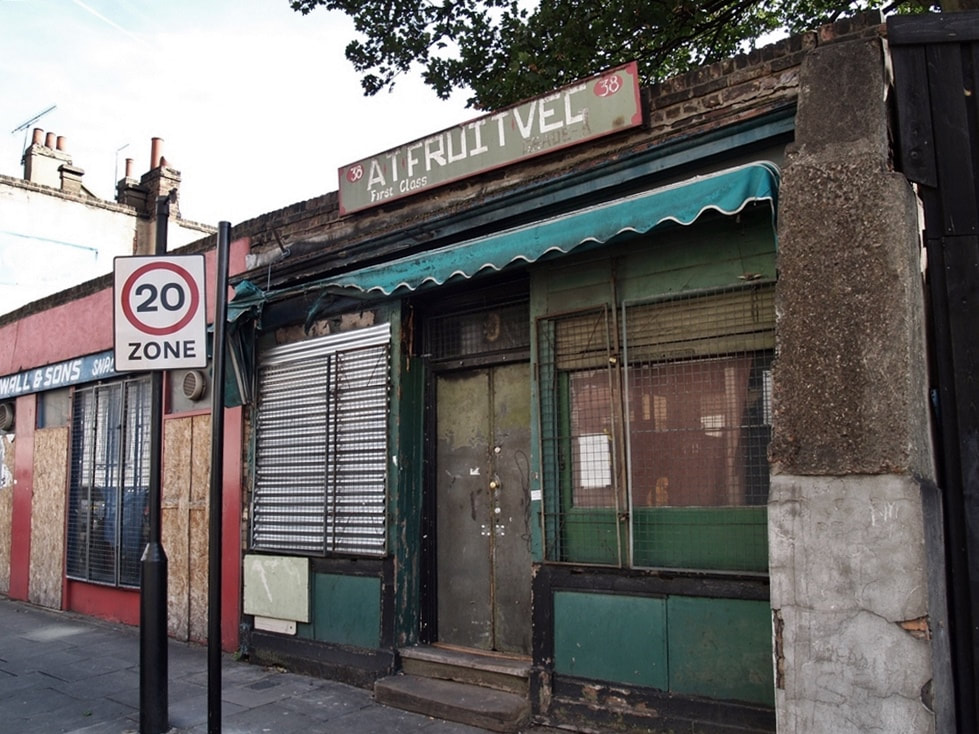
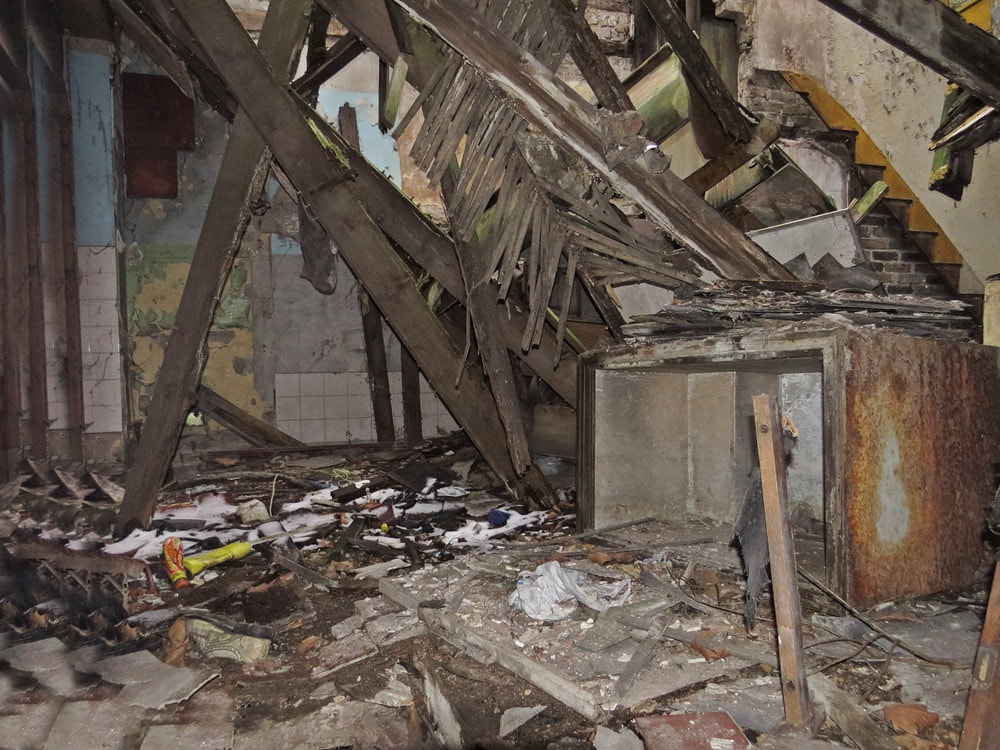
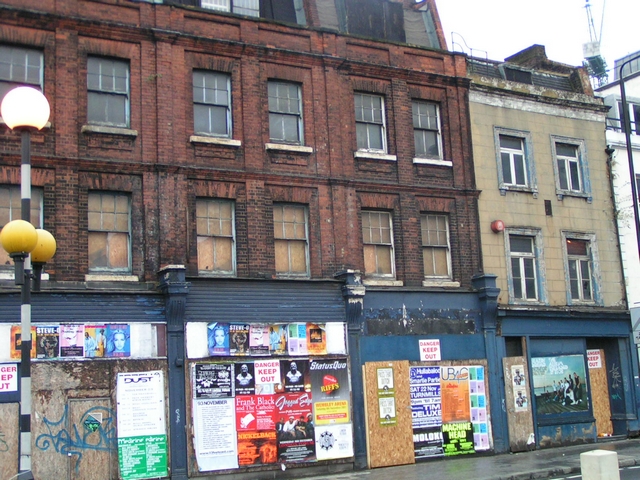
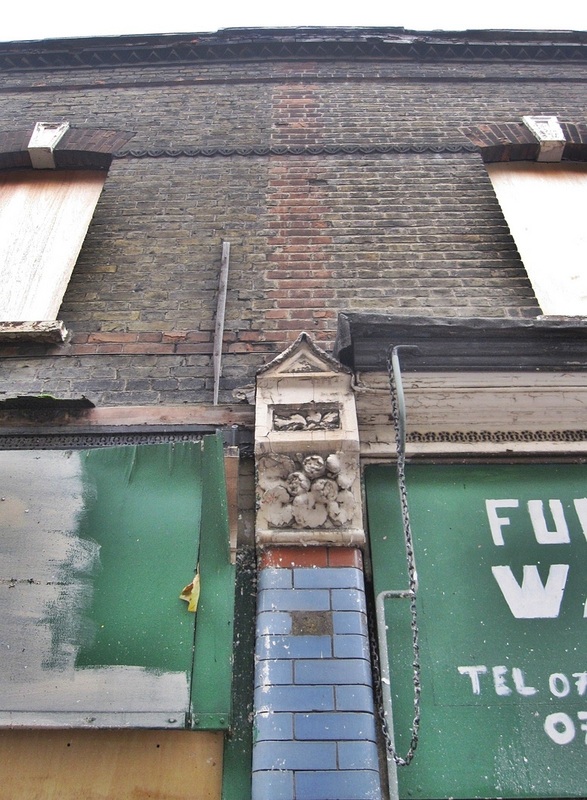
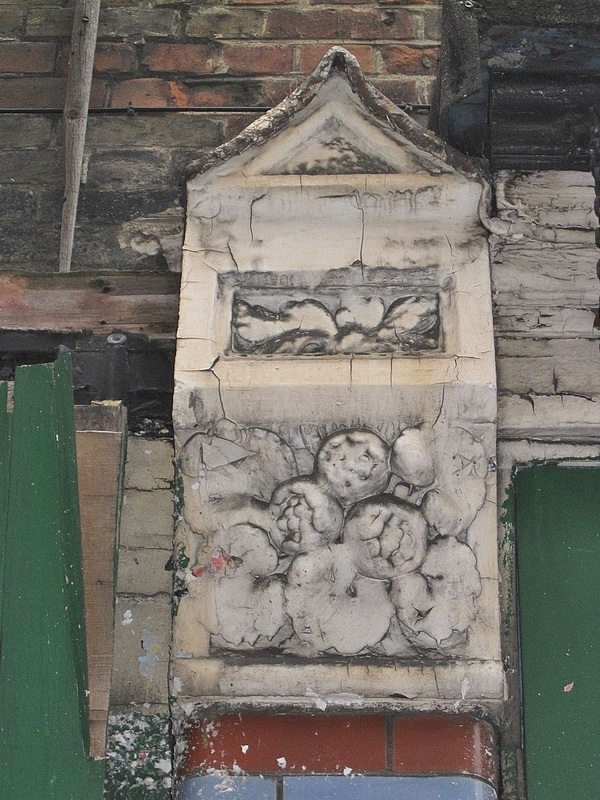
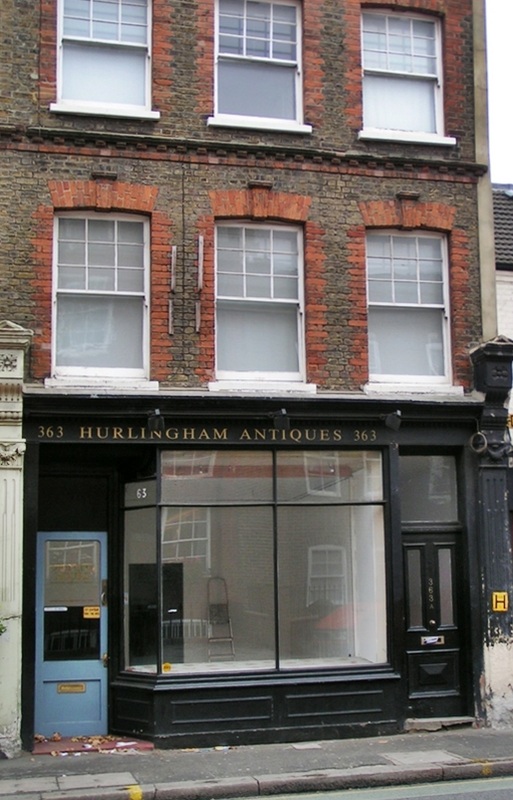
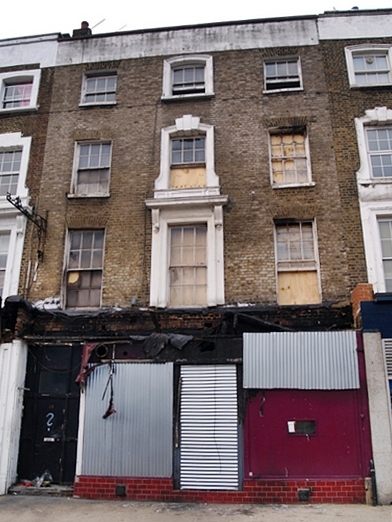
These Victorian buildings buildings are a rare example of pre-war architecture in the immediate vicinity though the buildings are not protected and not in a conservation area and could be demolished without permission. The council are still deciding whether to allow demolition or to retain the terrace and convert it into residential use. Some of the units have been empty for years and have been previously squatted although the council have now removed bathrooms and staircases to avoid a reoccurence of this. A fire also caused damage to some of the interiors. A neighbour told me that some Eastern European squatters offered the Council rent money to remain there but this was turned down.
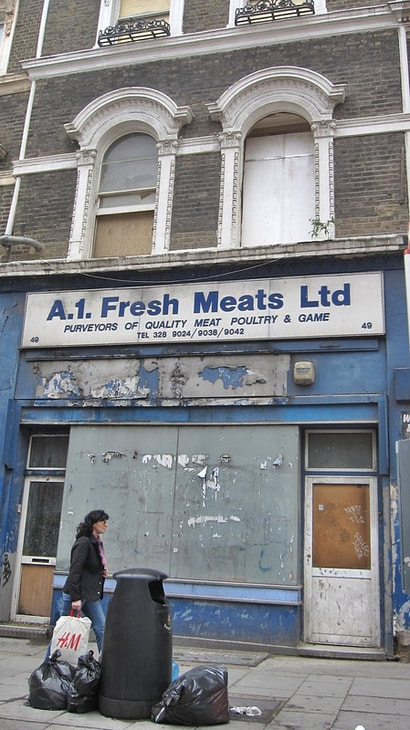
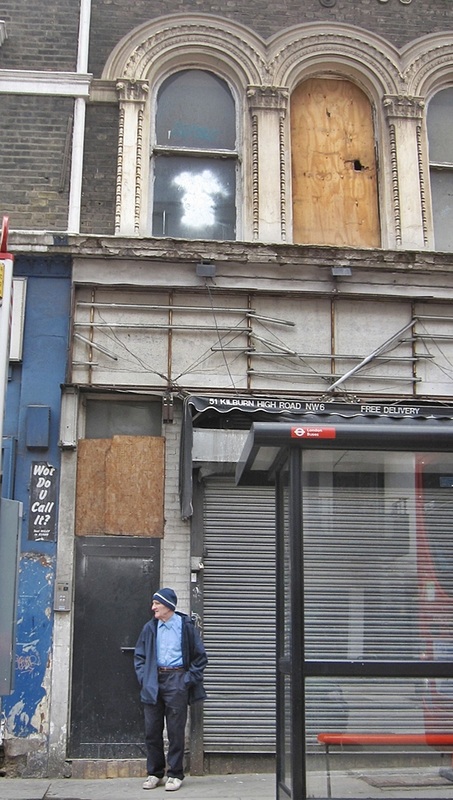
KILBURN HIGH ROAD - But could be anywhere in the UK. The familiar face of the High Street....
The same goes for this shopping mall in ARCHWAY:
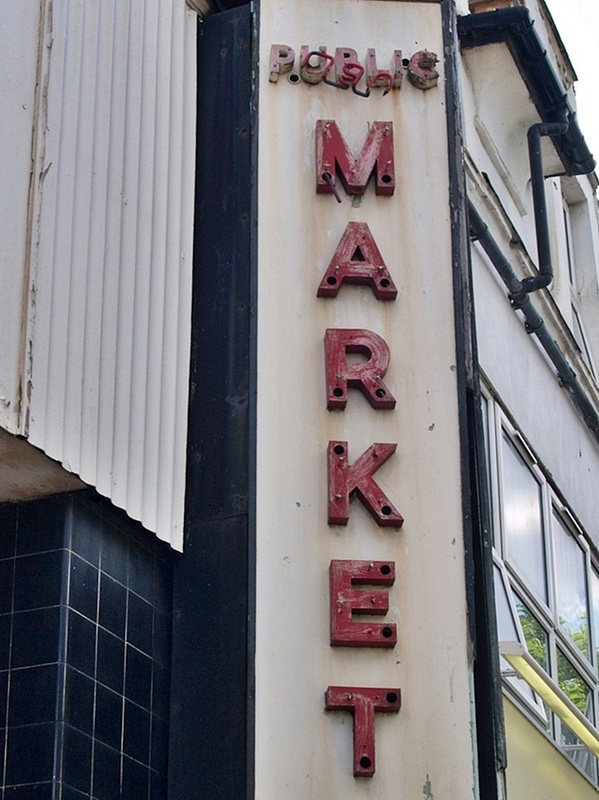
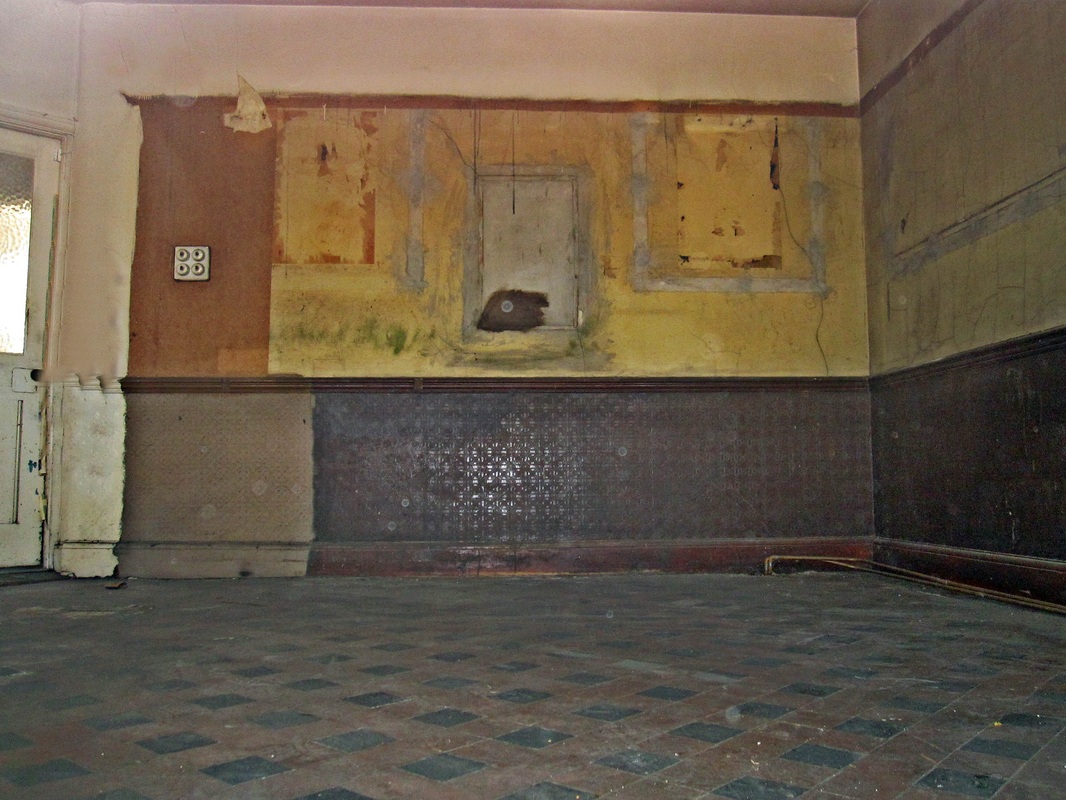
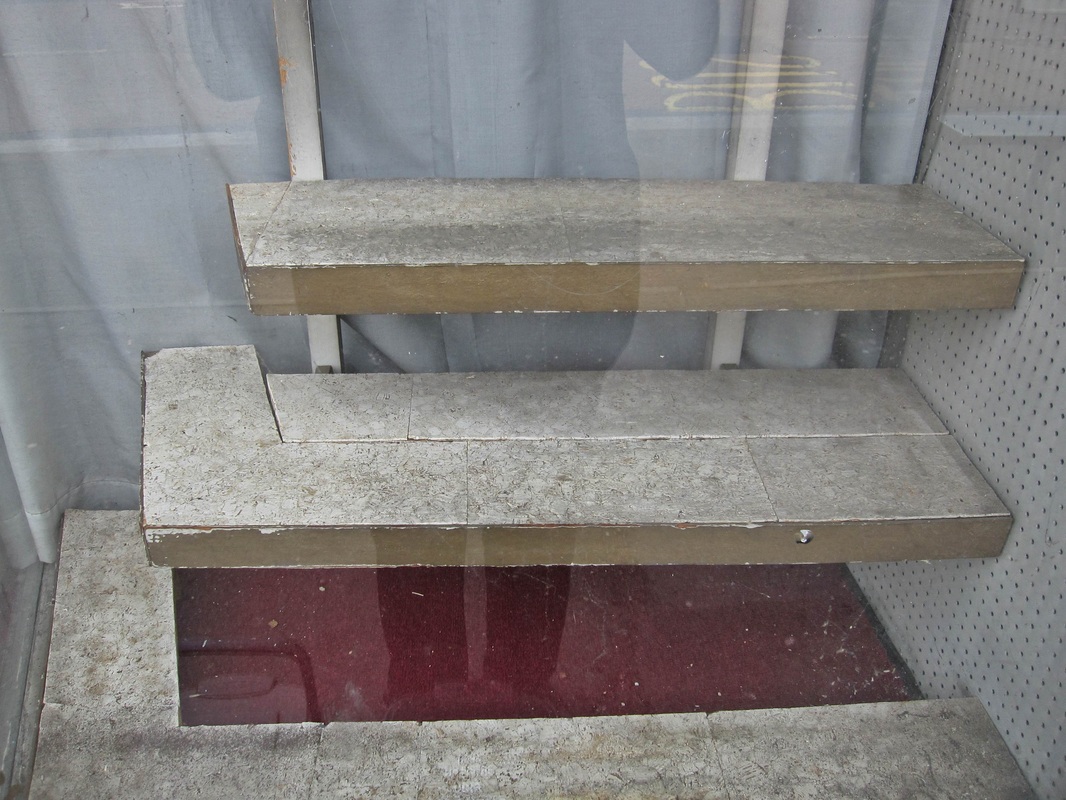
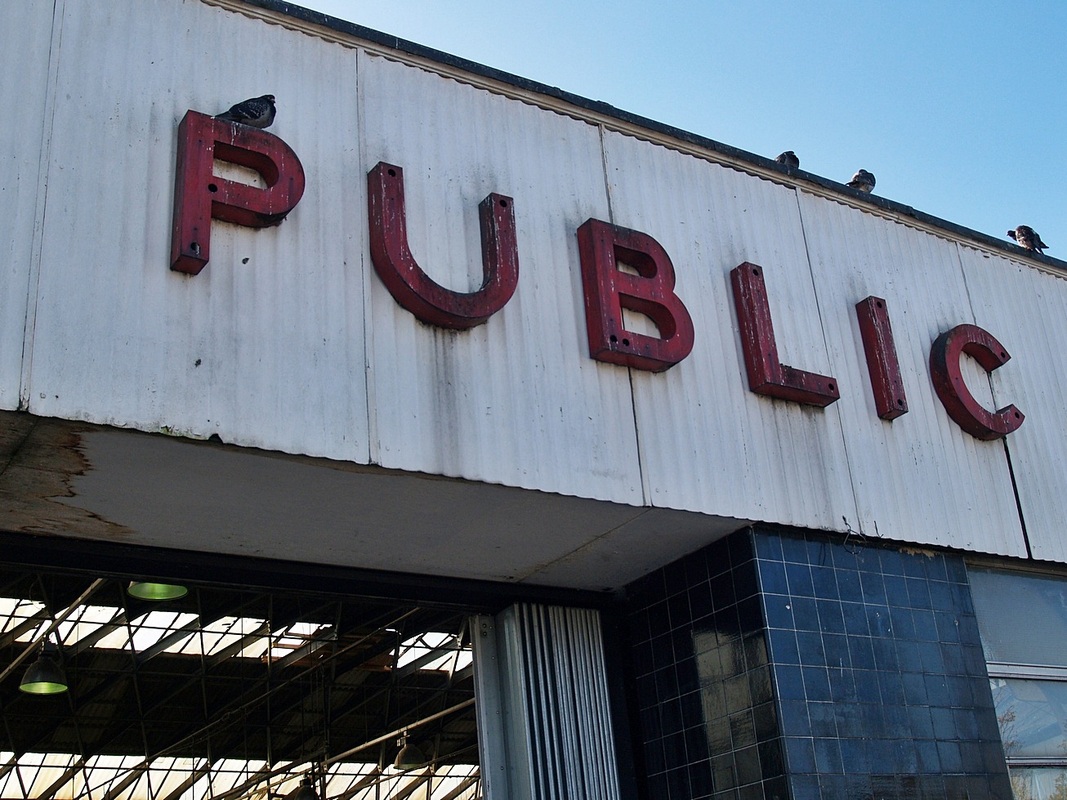
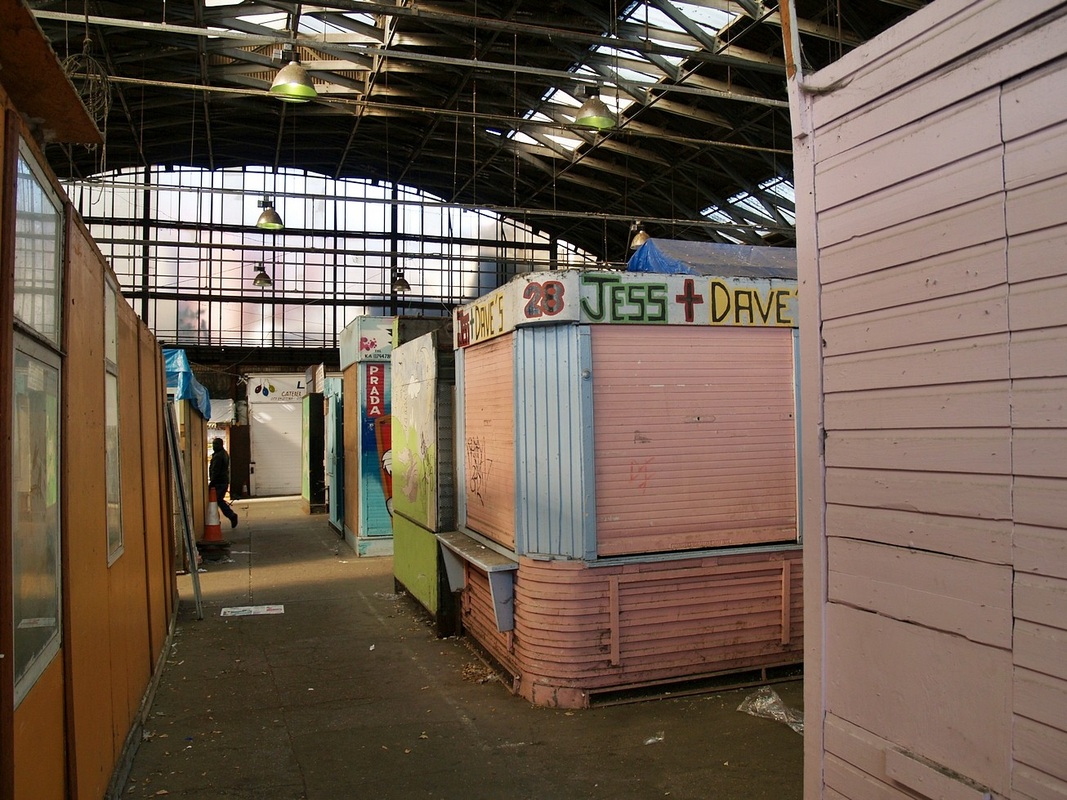
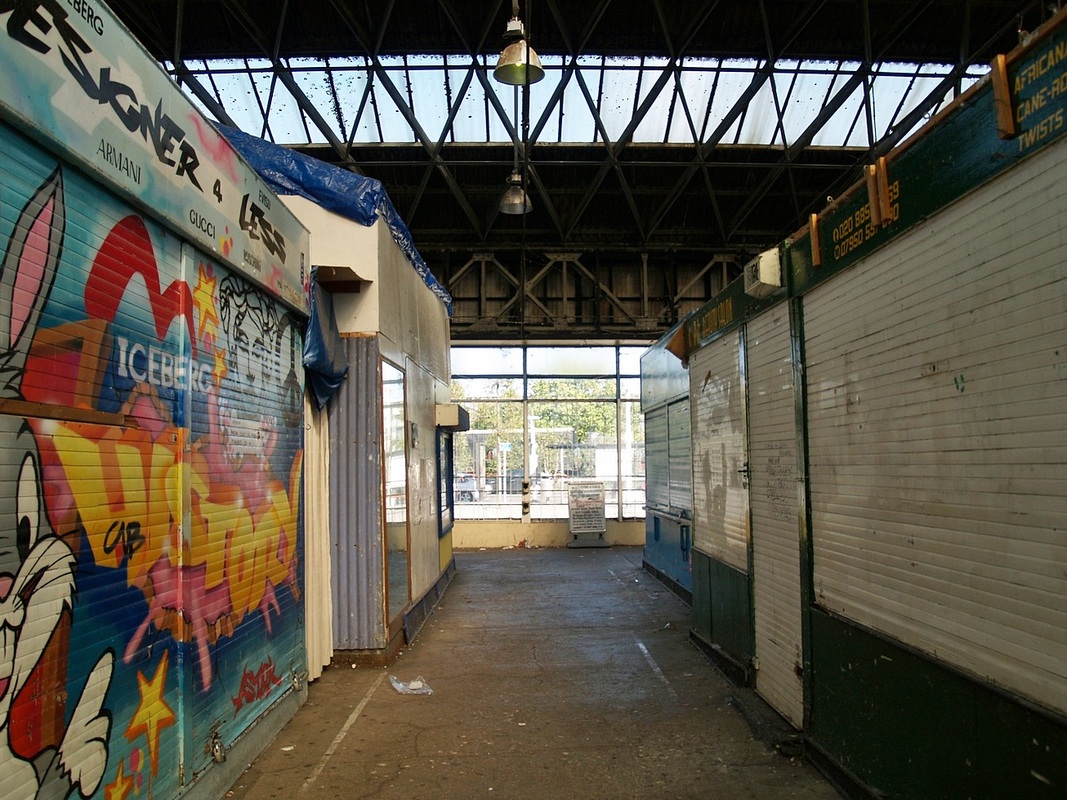
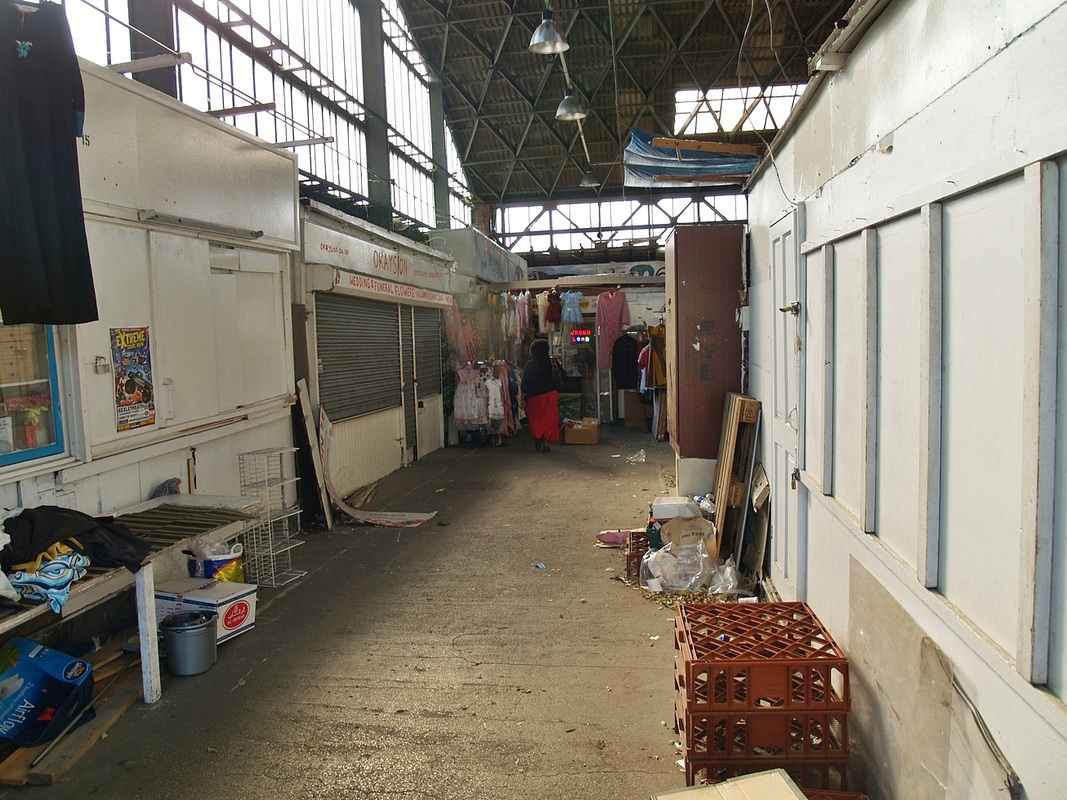
WOOLWICH SE18 - PUBLIC MARKET
Opened in 1932 as an open-air 70 stall market market. In 1936 a steel framed roof using "Lamella Patent construction" was added - popularly used for German aircraft hangars it is only supported at the four sides resulting in no supporting pillars to cause obstruction & the first of its type to be built in the London area. Passageways underneath the market served as air raid shelters during WW2. Whilst the market is not derelict it has been looking very run down over the past few years. Hardly any people around and most of the stalls are closed up.
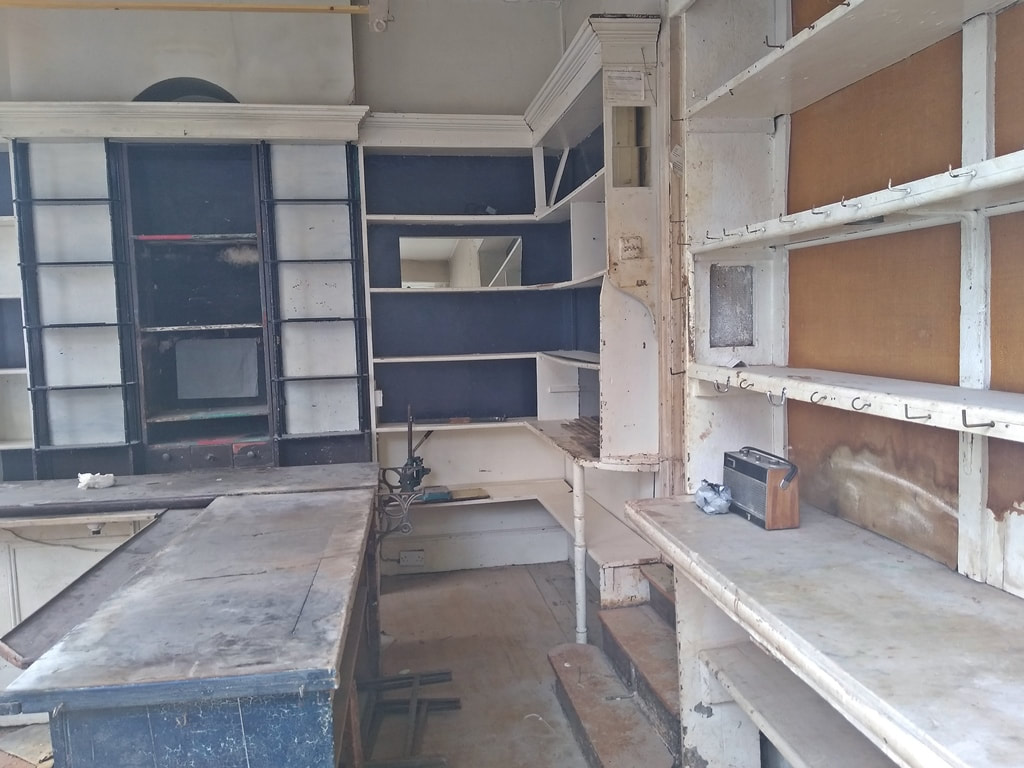
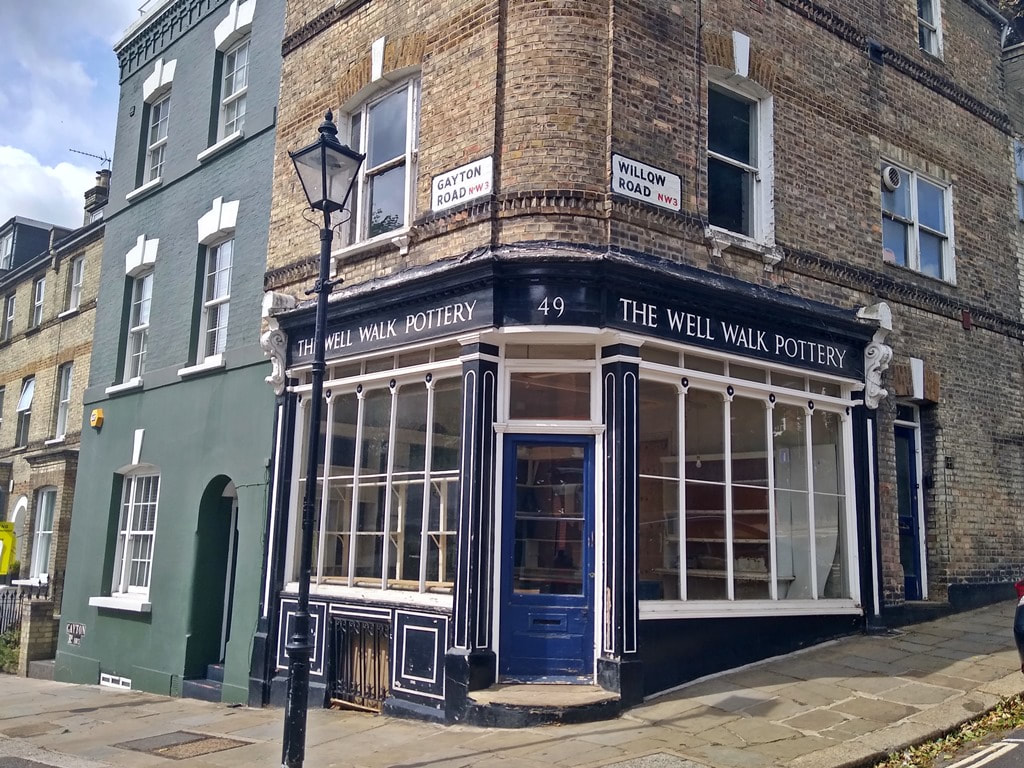
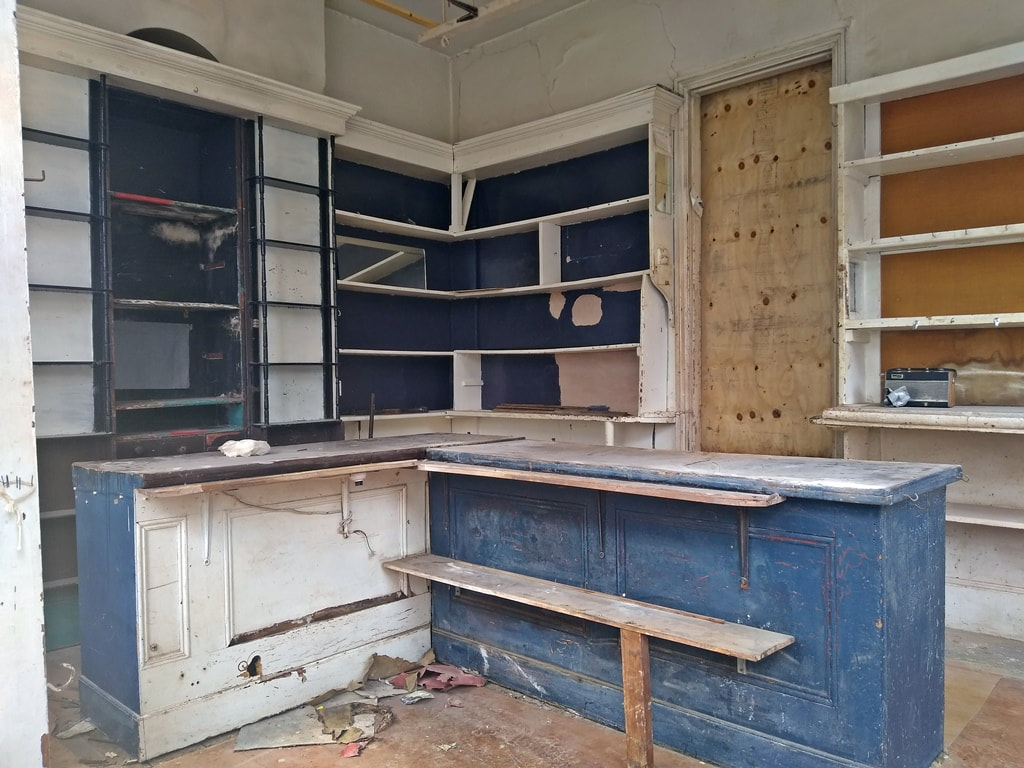
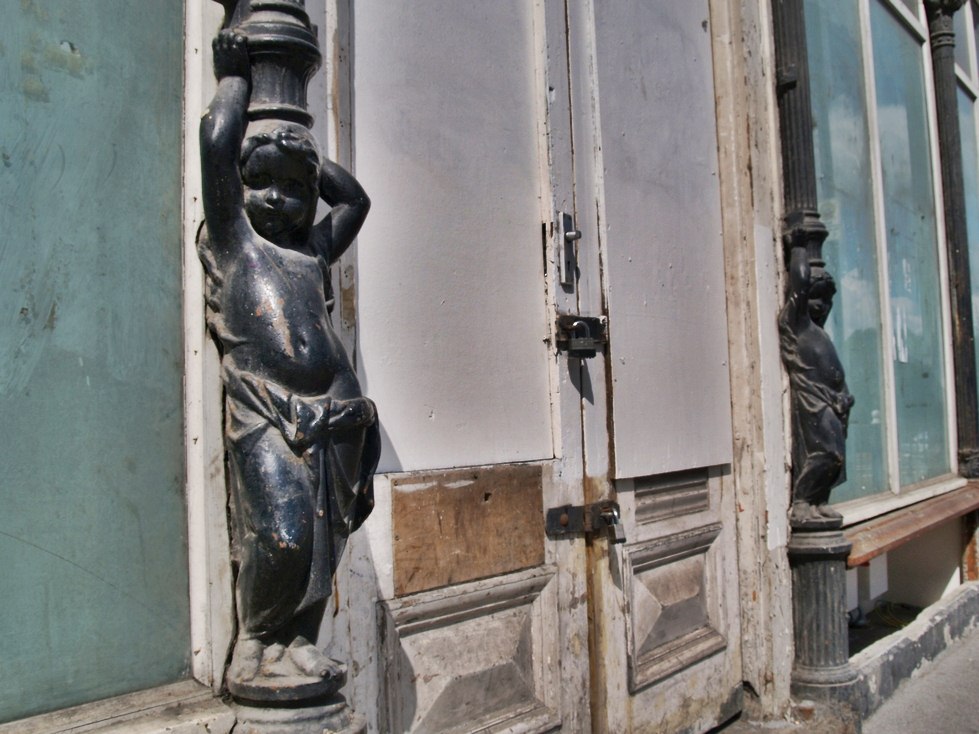
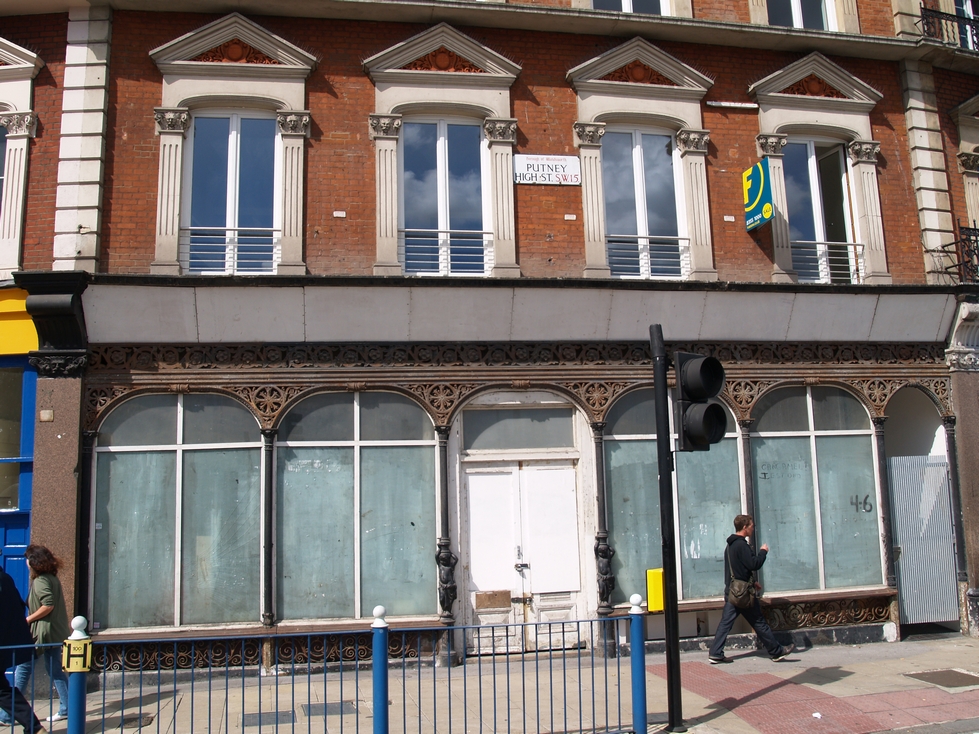
PUTNEY - Disused Shop
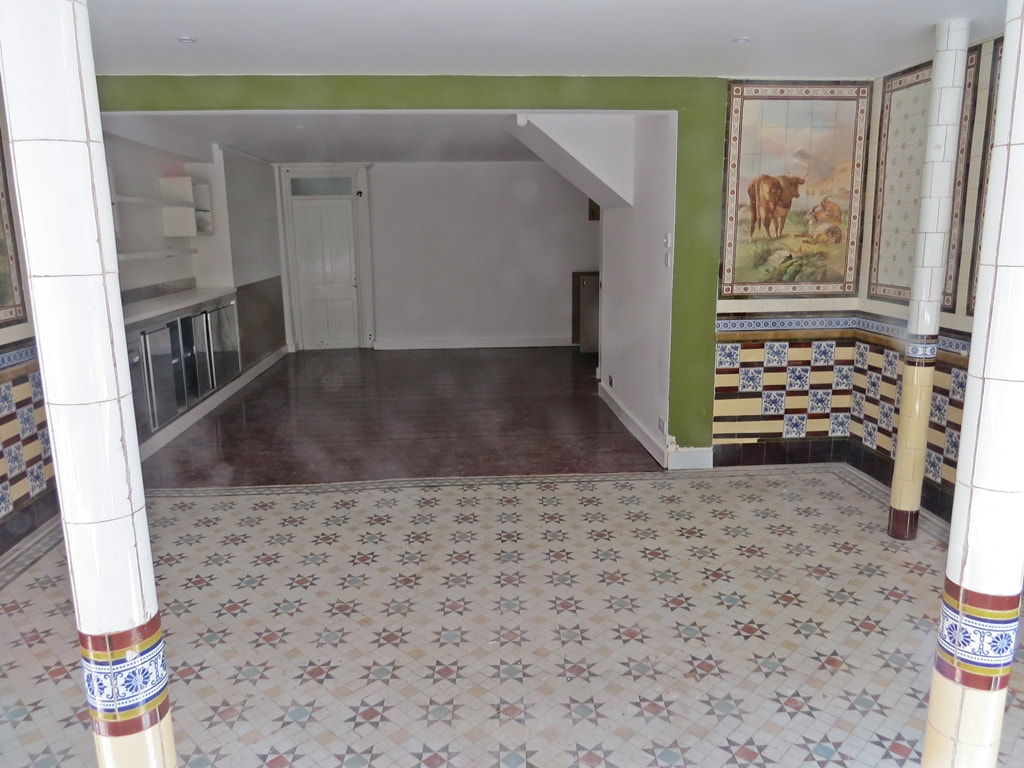
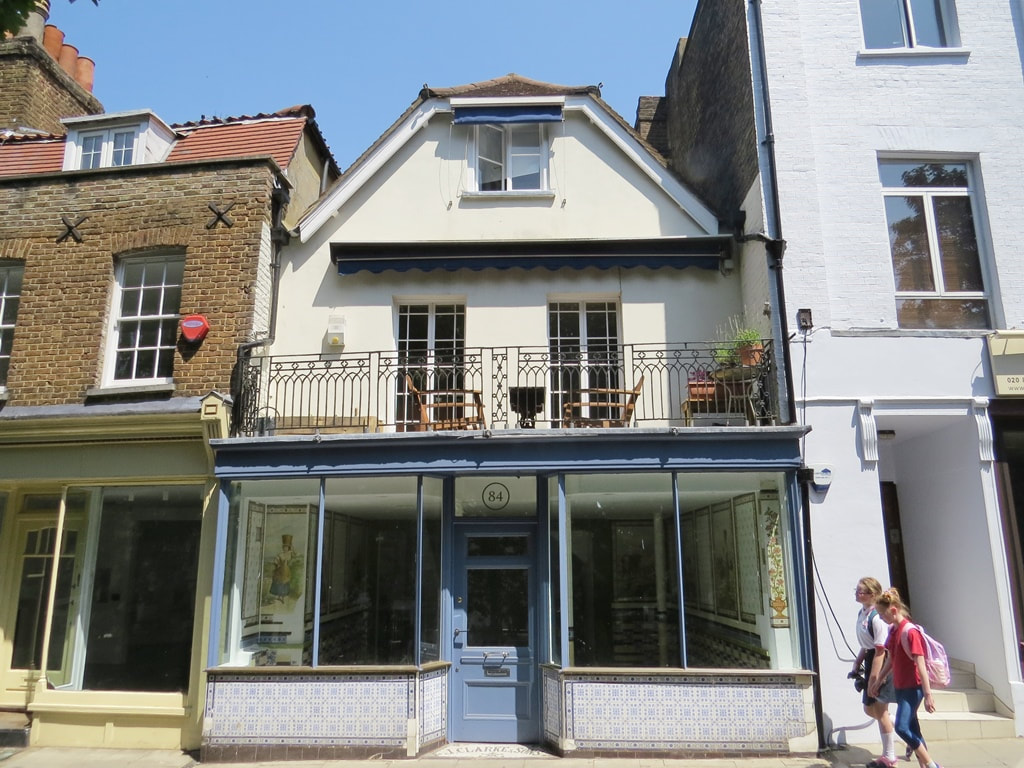
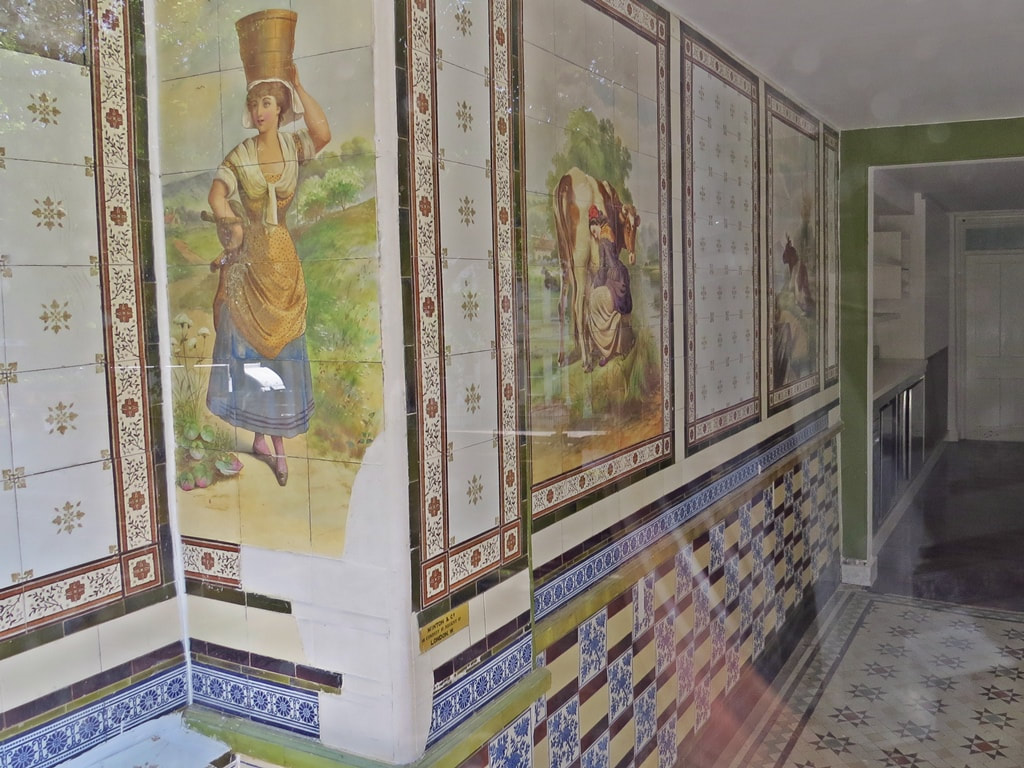
This fascinating looking old shop was (as far as I can gather) was last used as an Indian restaurant. The basement leads down to the little known "Putney Vaults" which tunnel under the main road and lead to the Thames waterfront. I will be covering this in more detail soon.
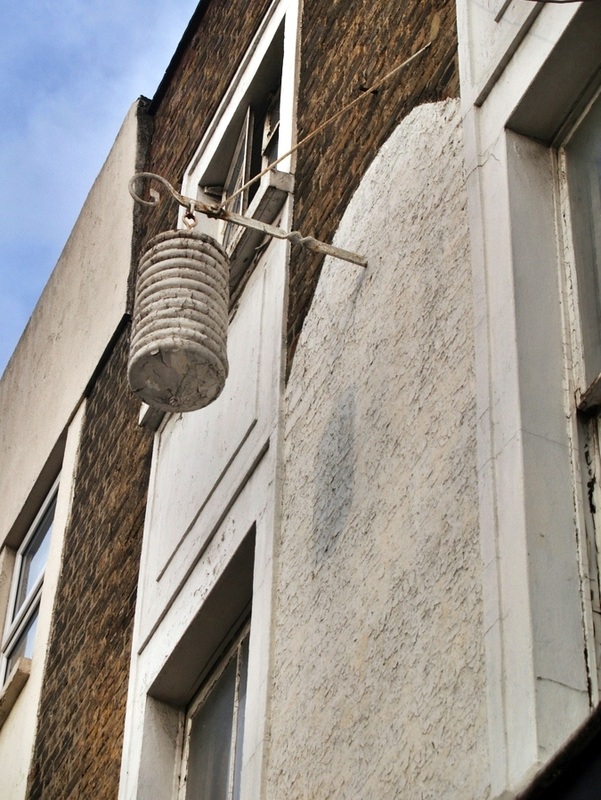
NEW CROSS - Tobacco Roll
This is VERY rare and probably the only one left in London (apart from one in the Museum of London). When many people were illiterate the way to let them know what your shop was selling the answer was a shop-sign the striped barber's pole, the pawnbroker's three balls and many tobacconists would display the tobacco roll.
"The Social History of Smoking" (1869) by George Apperson says:
The "Tobacco Roll," was one of the commonest of early tobacconists' signs, and was in constant use for a couple of centuries.
One would have thought that a representation of the tobacco plant itself would have been a more natural and comprehensive sign than one particular preparation of the herb, yet representations of the plant were rare, while those of the compressed tobacco known as pudding or roll in the form of a "Tobacco Roll," were very frequently used as signs.
Before the end of the seventeenth century, however, the signs were ceasing to have any necessary association with the trade carried on under them, and tobacconists are found with shop-signs which had no reference in any way to tobacco.
Cheers to the guy that I met after my talk at Lewisham Literary Festival who gave me the heads up on this rare find
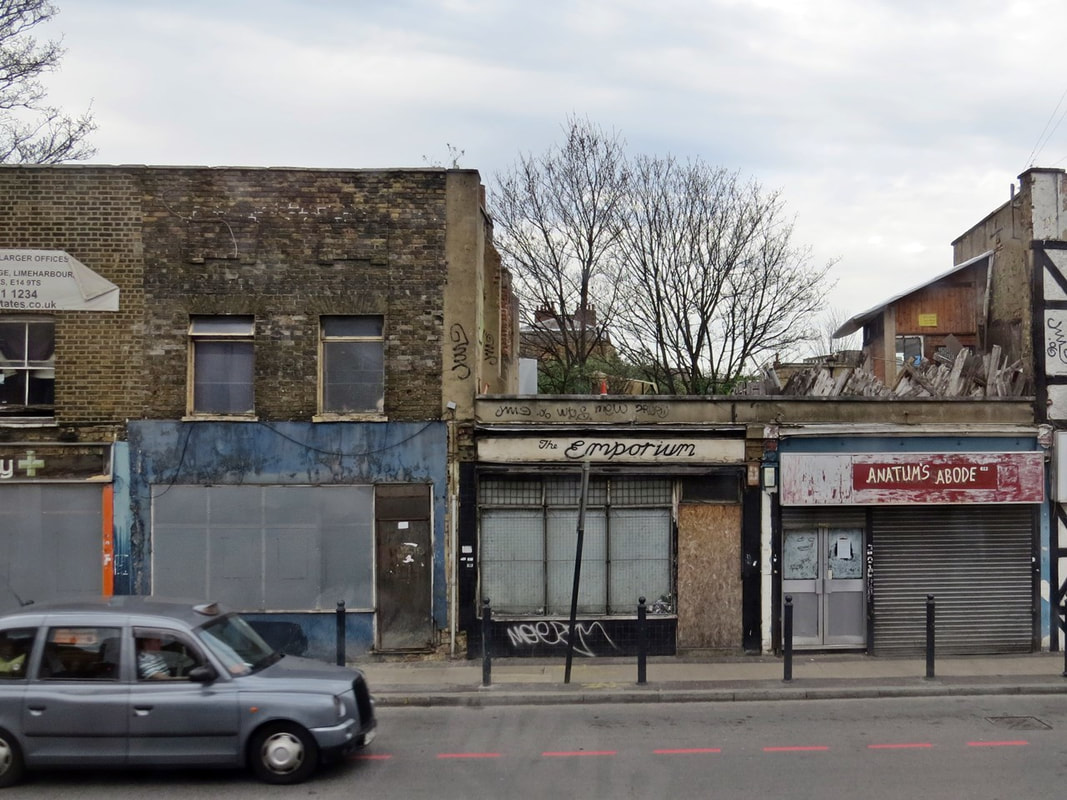
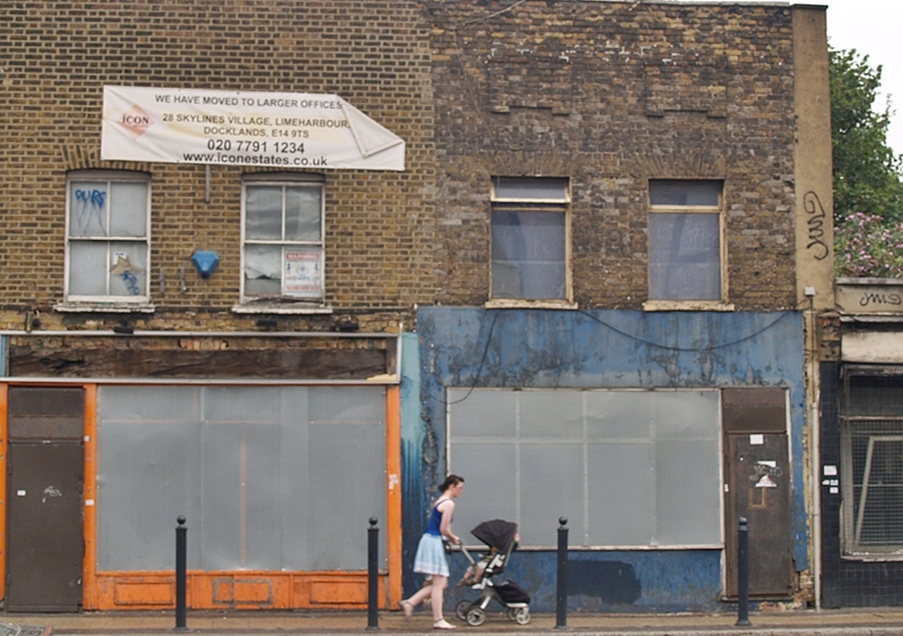
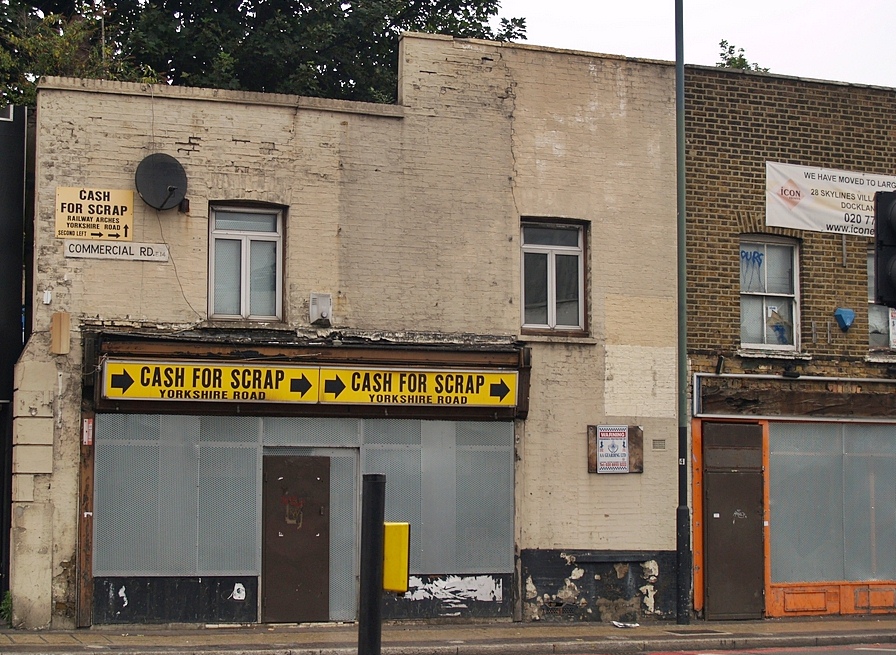
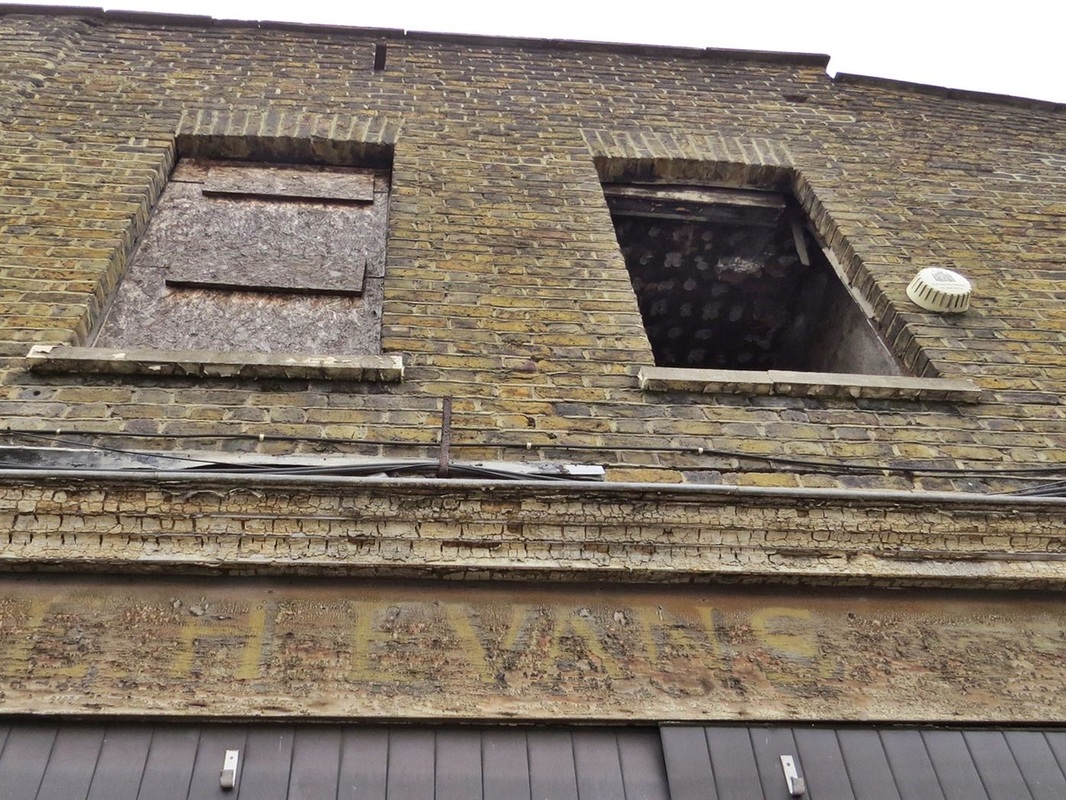
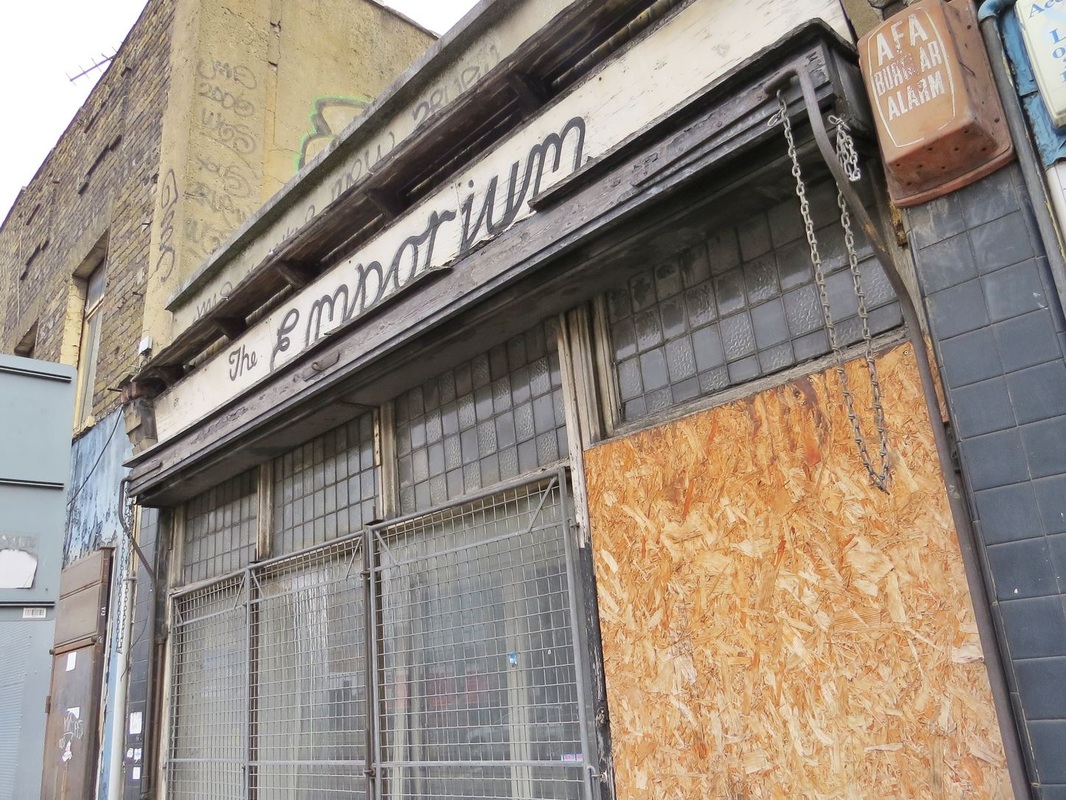
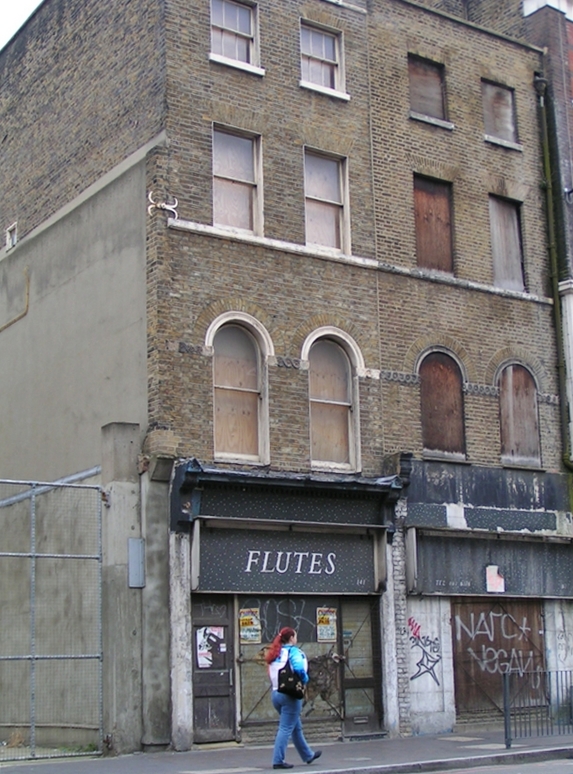
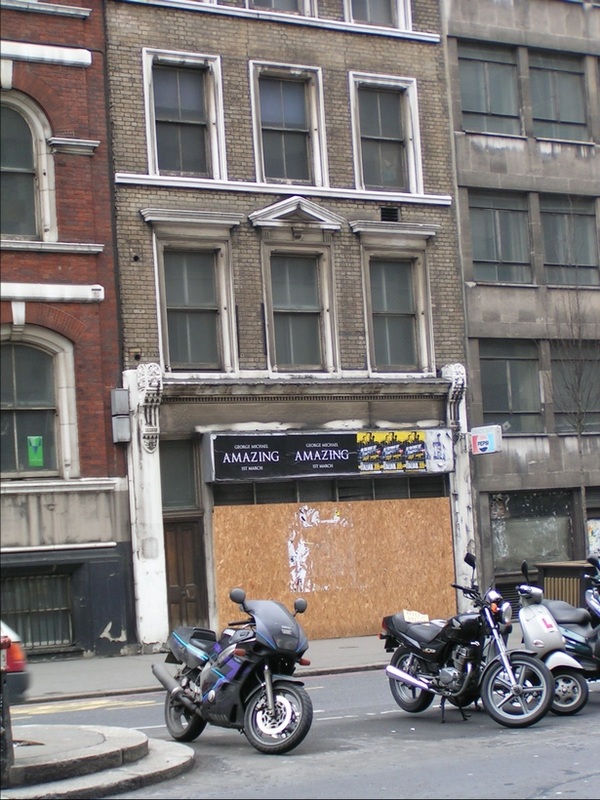
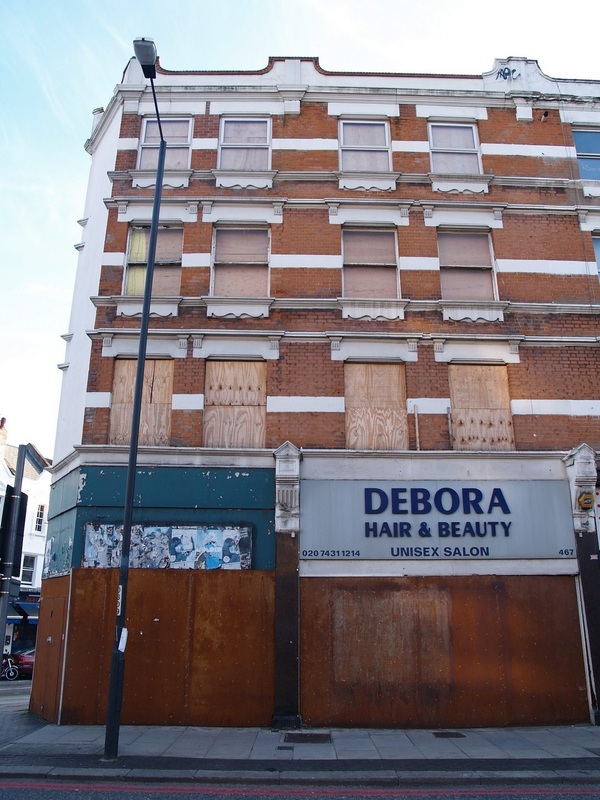
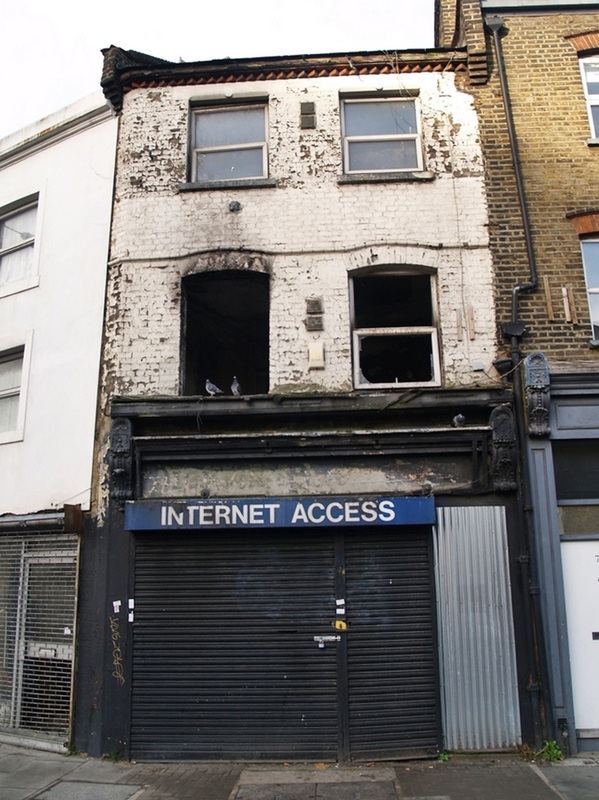
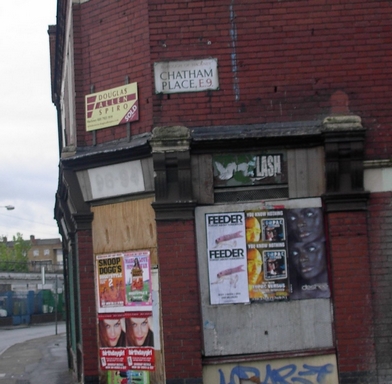
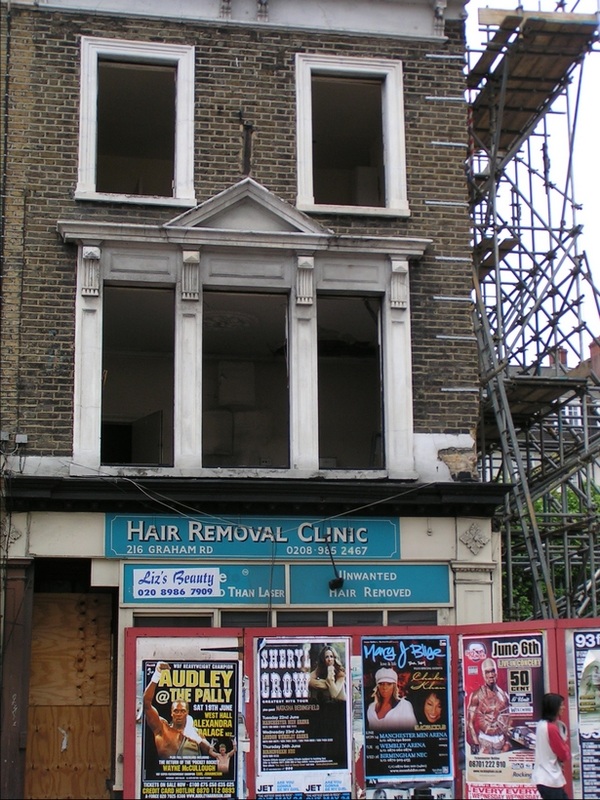
Decaying Shops on the Commercial Road in Limehouse - but for how much longer?
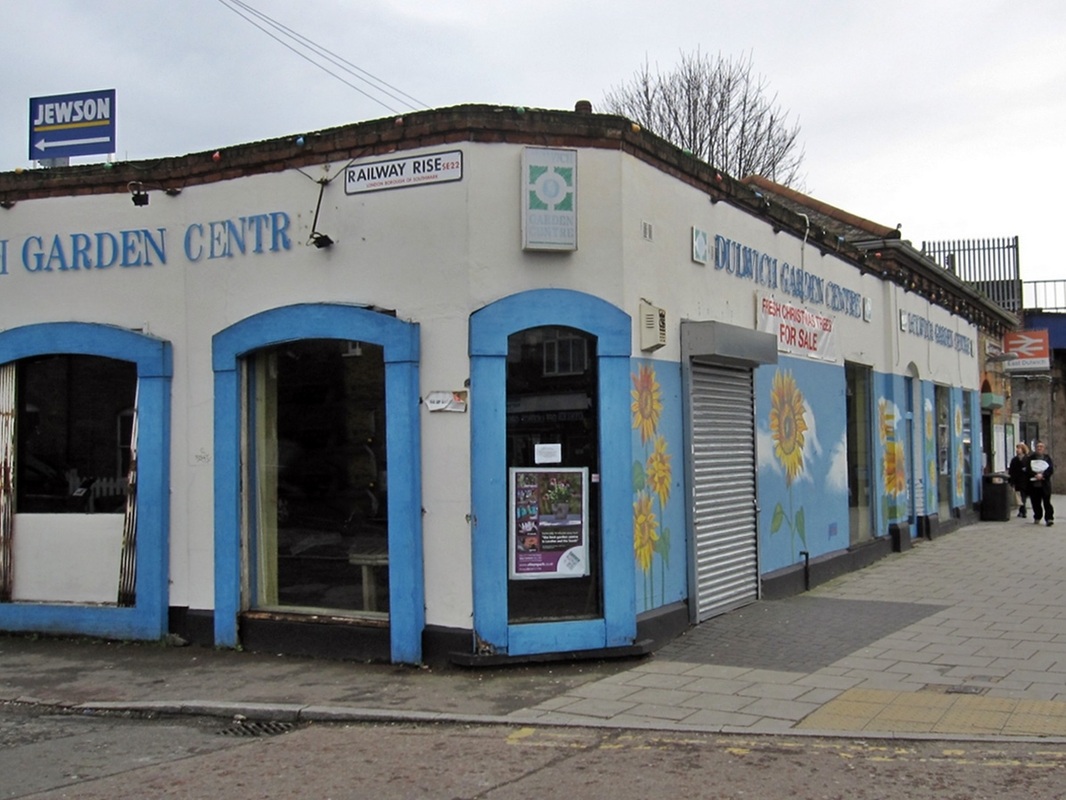
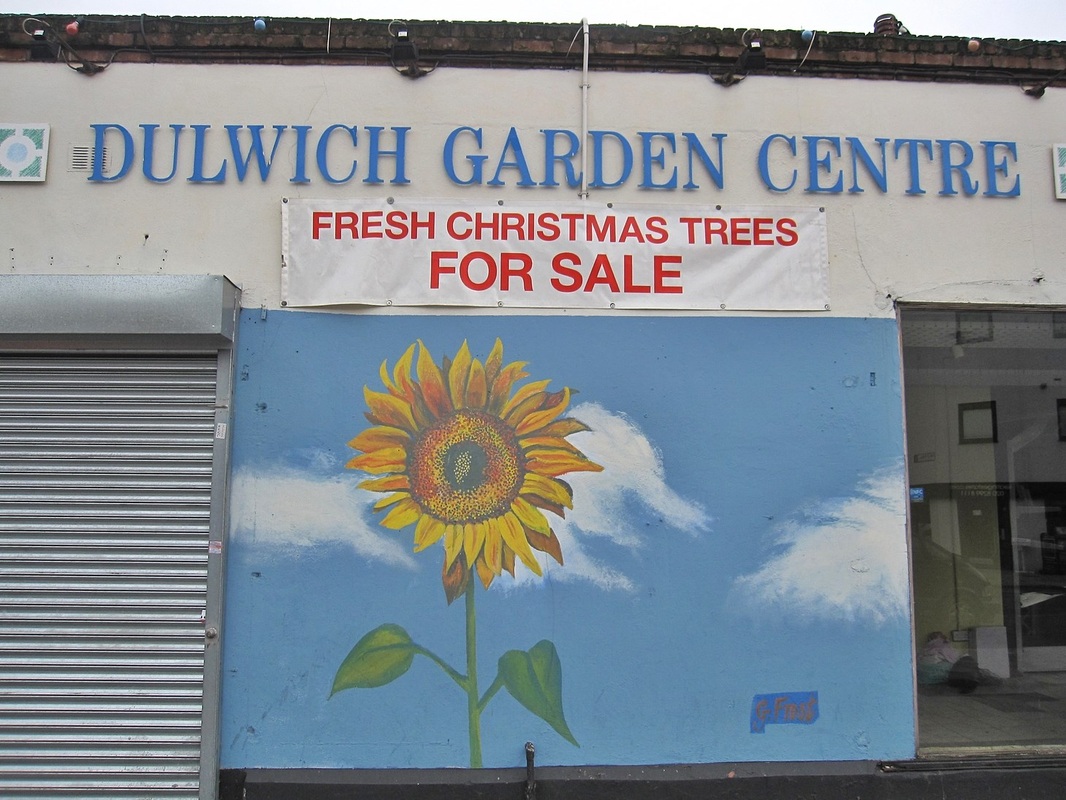
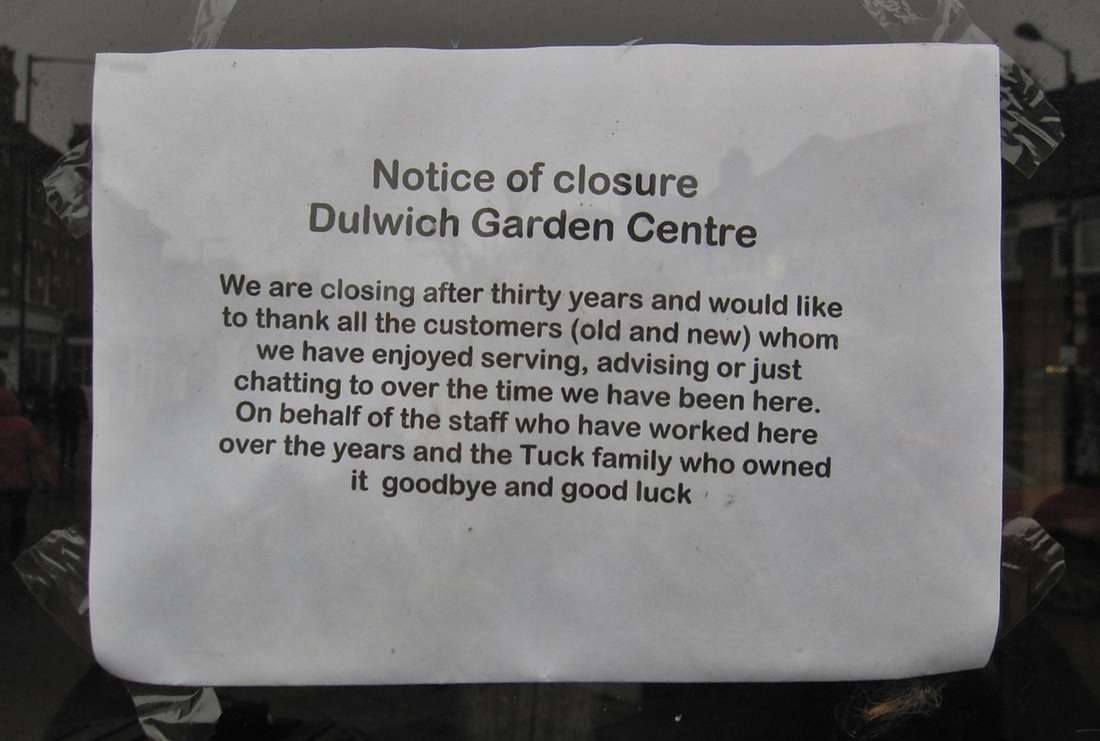
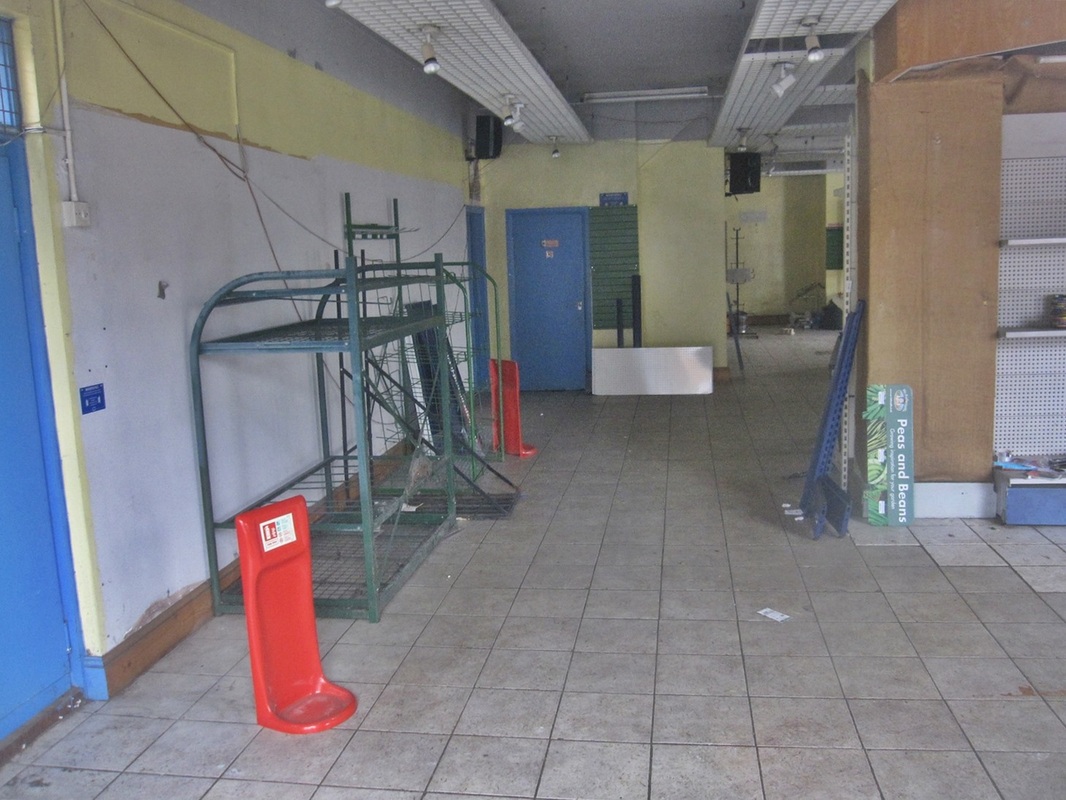
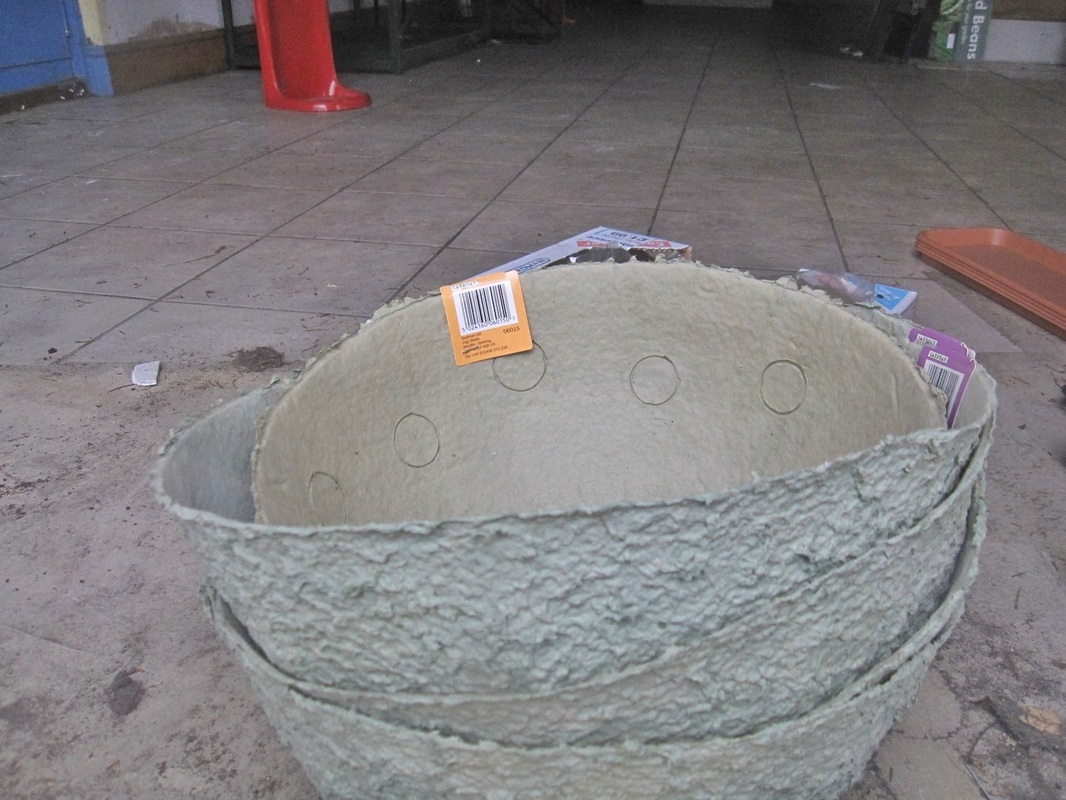
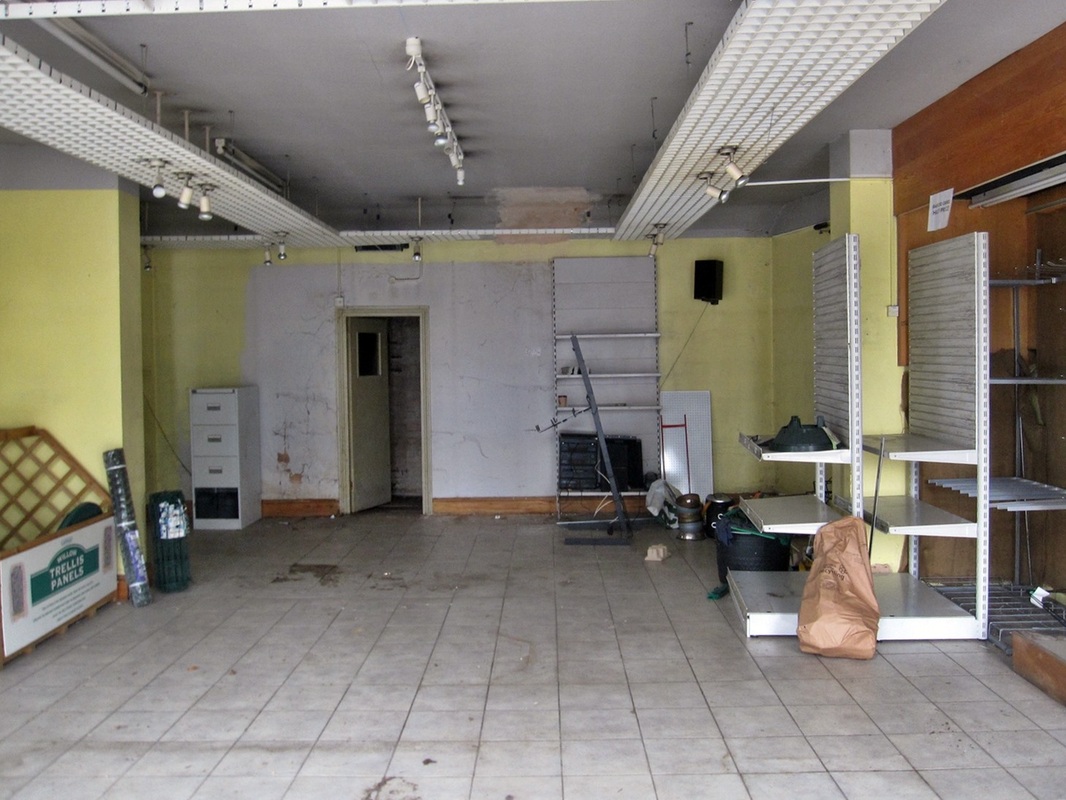
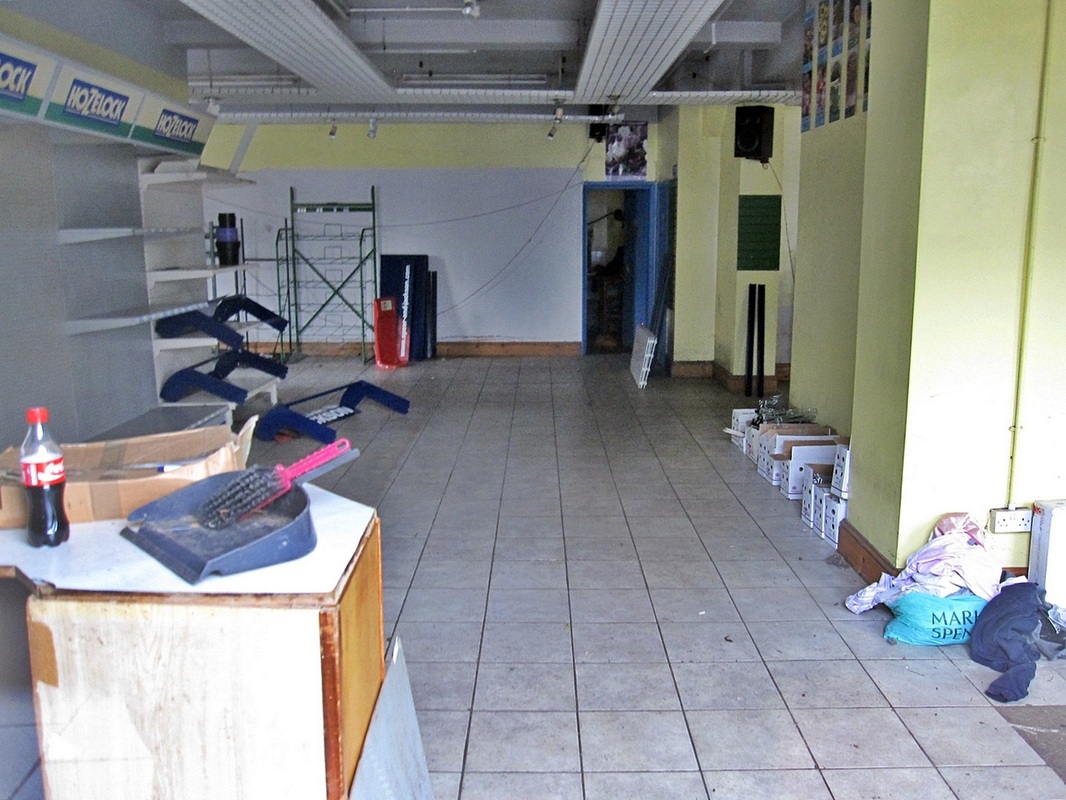
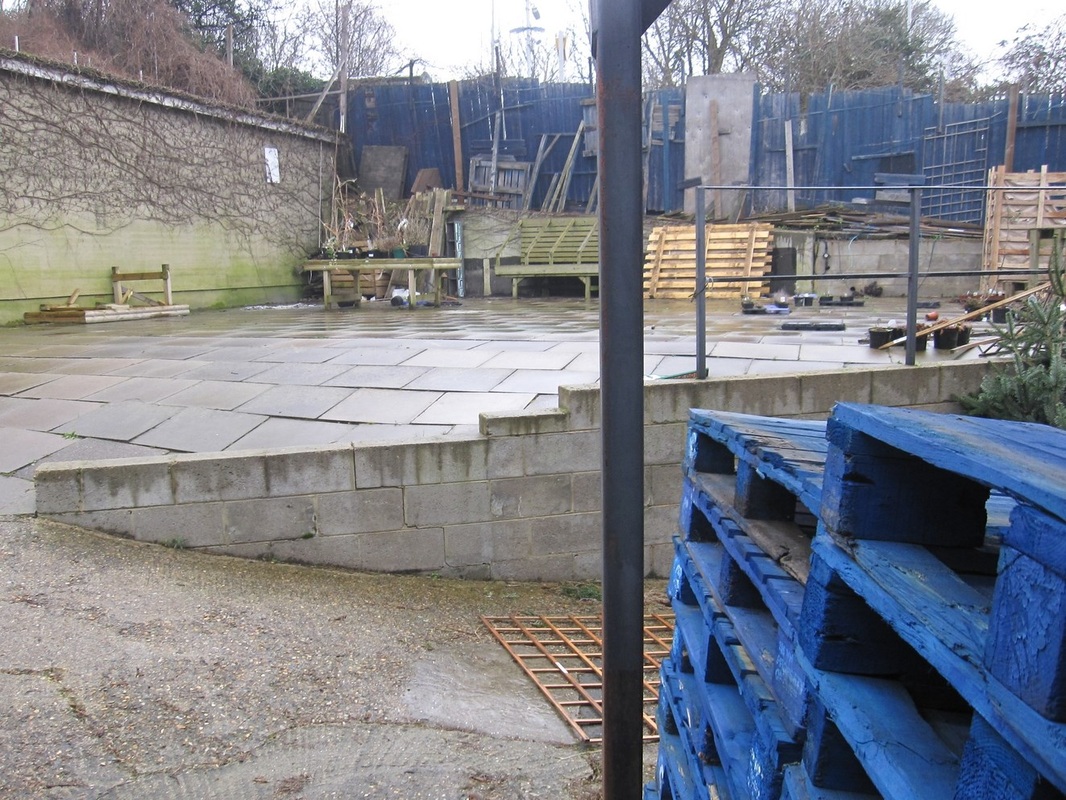
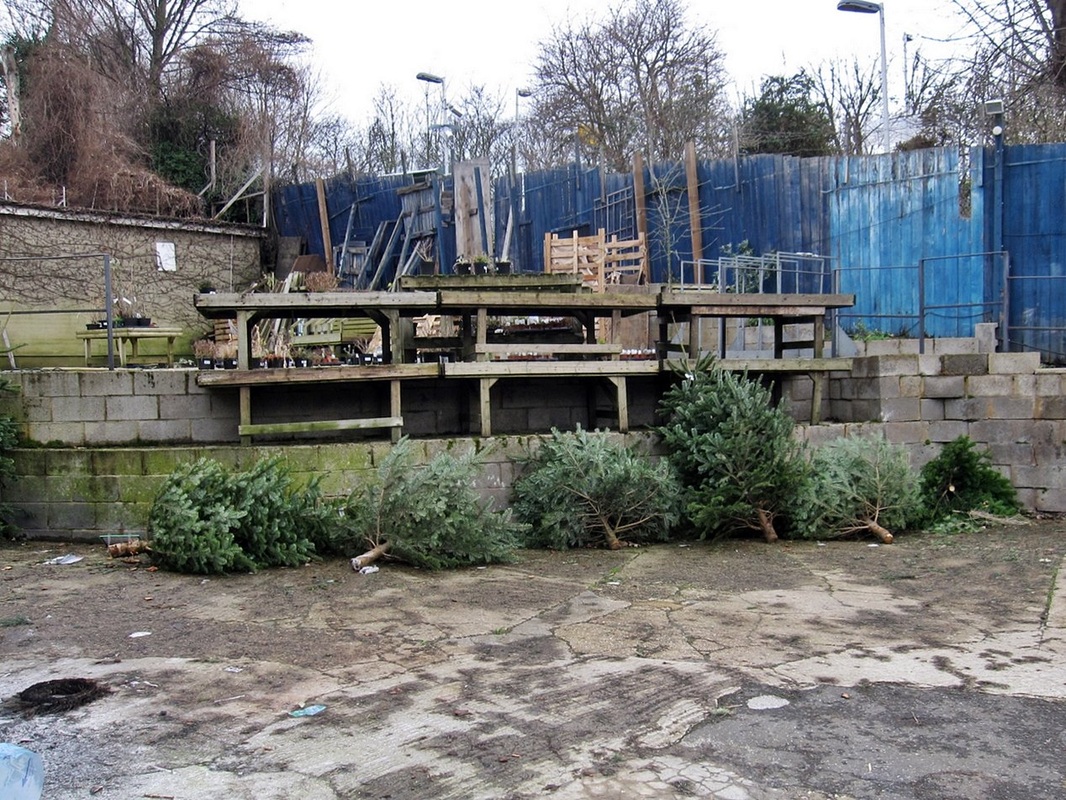
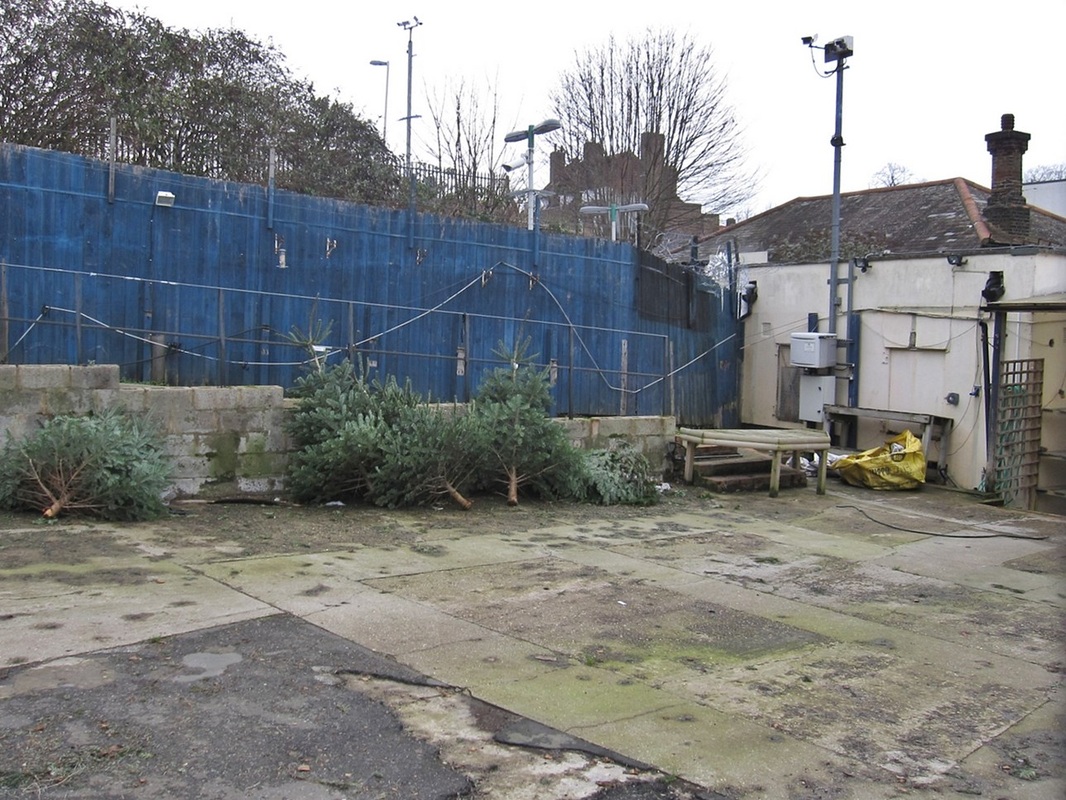
EAST DULWICH SE22 - DULWICH GARDEN CENTRE
This family business closed just after Christmas 2012 after 30 years of trading. The site will be replaced by a library (double the size of the current one over the road), a shop unit & 20 flats.
Derelict London Shops - South Thames Gallery
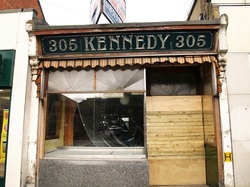
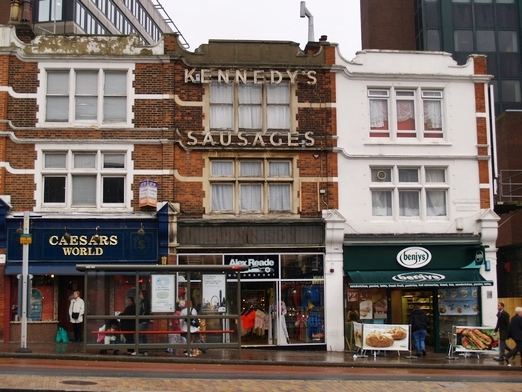
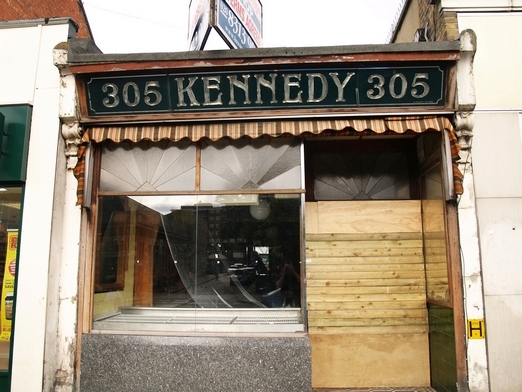
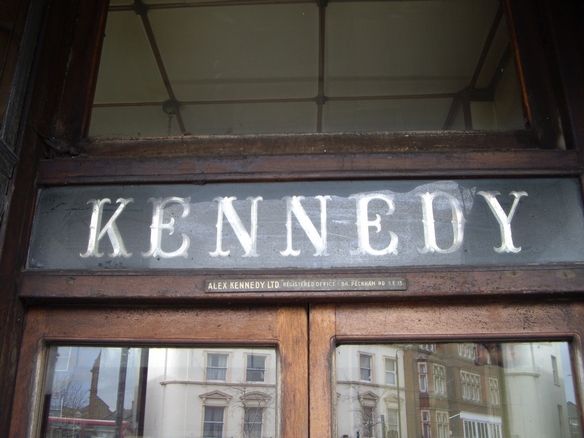
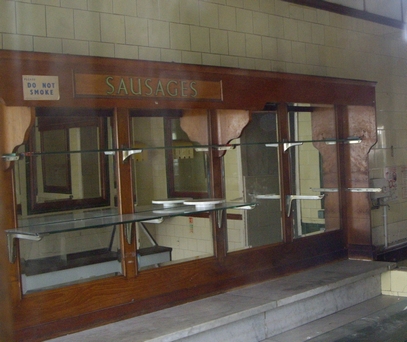
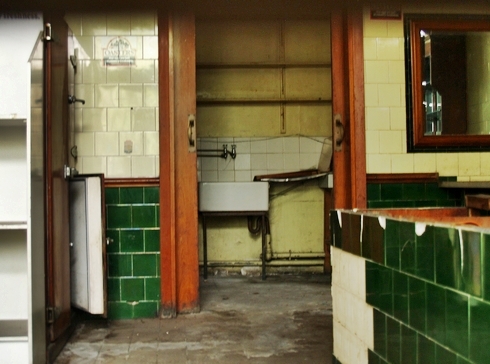
KENNEDYS SAUSAGES of South London
The much loved South East London sausage shops.
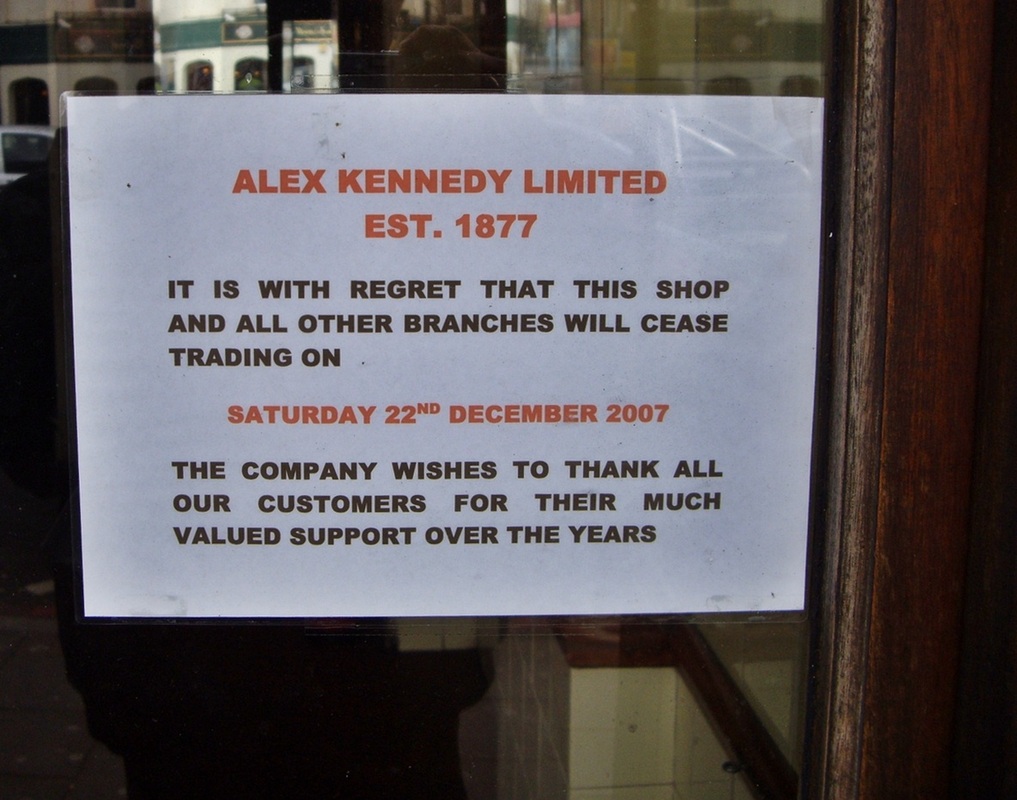
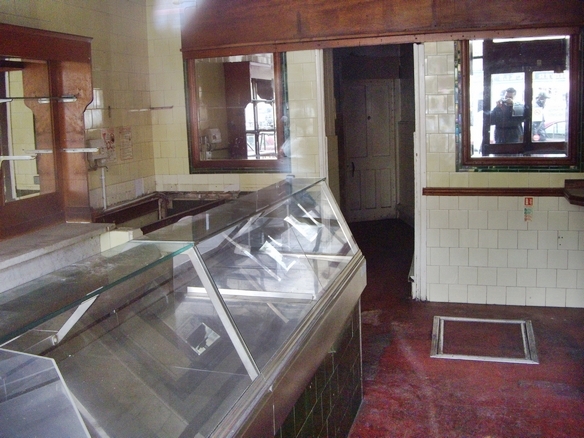
The company, had been run by the same family for 130 years, had nine stores across SE London closed at the end of 2007.As well as sausages, the company was known for its Christmas puddings, sausage rolls, meat pies, puff pastry etc. It will be sadly missed. Despite having a fantastic reputation and loyal customers the company could not afford the overheads and competition from the corporates.
"Judging by the queue just before it closed shoppers took their money from Northern Rock walked round the corner and invested in sausages!" (Quote from the local paper)
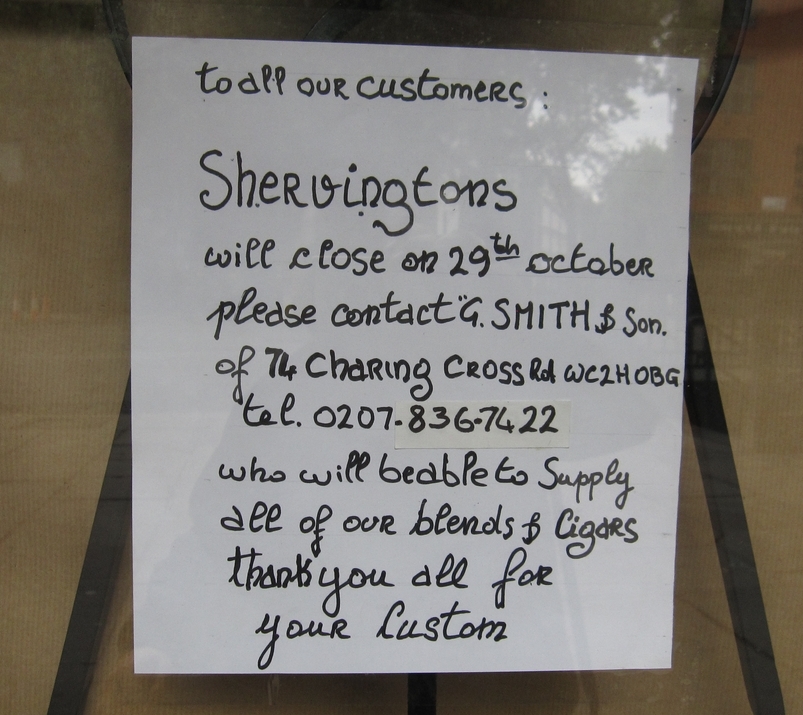
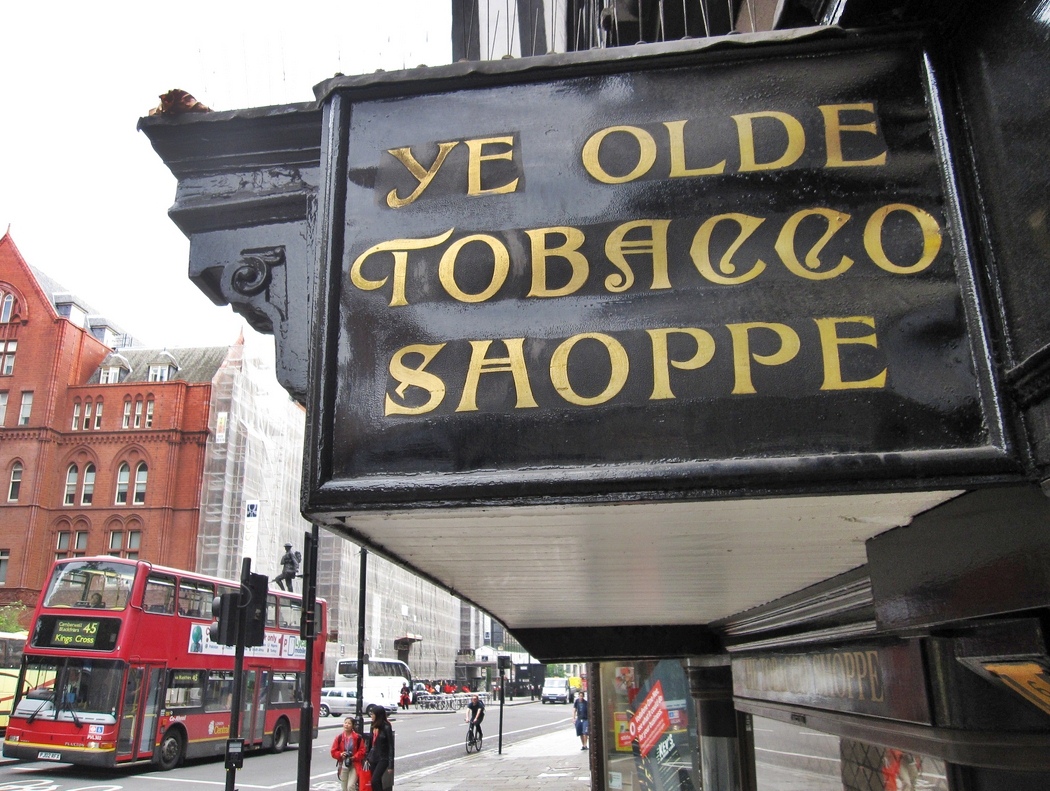
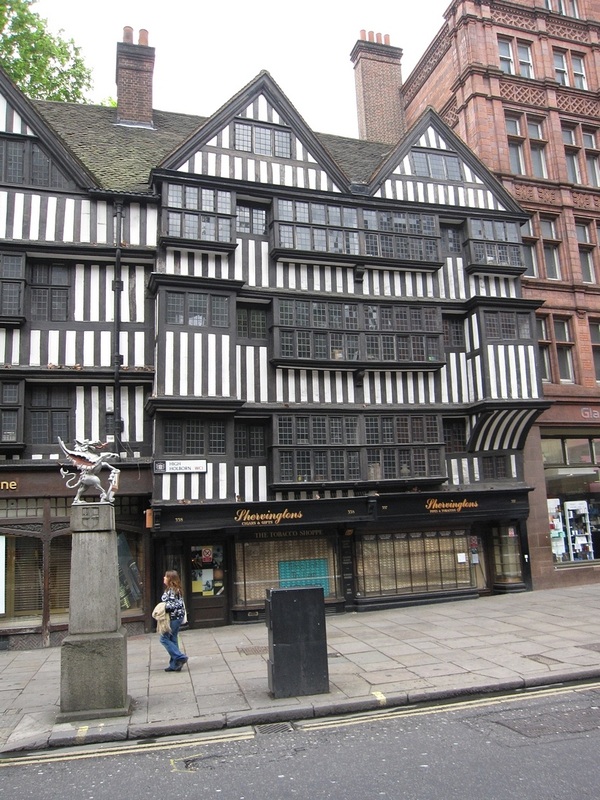
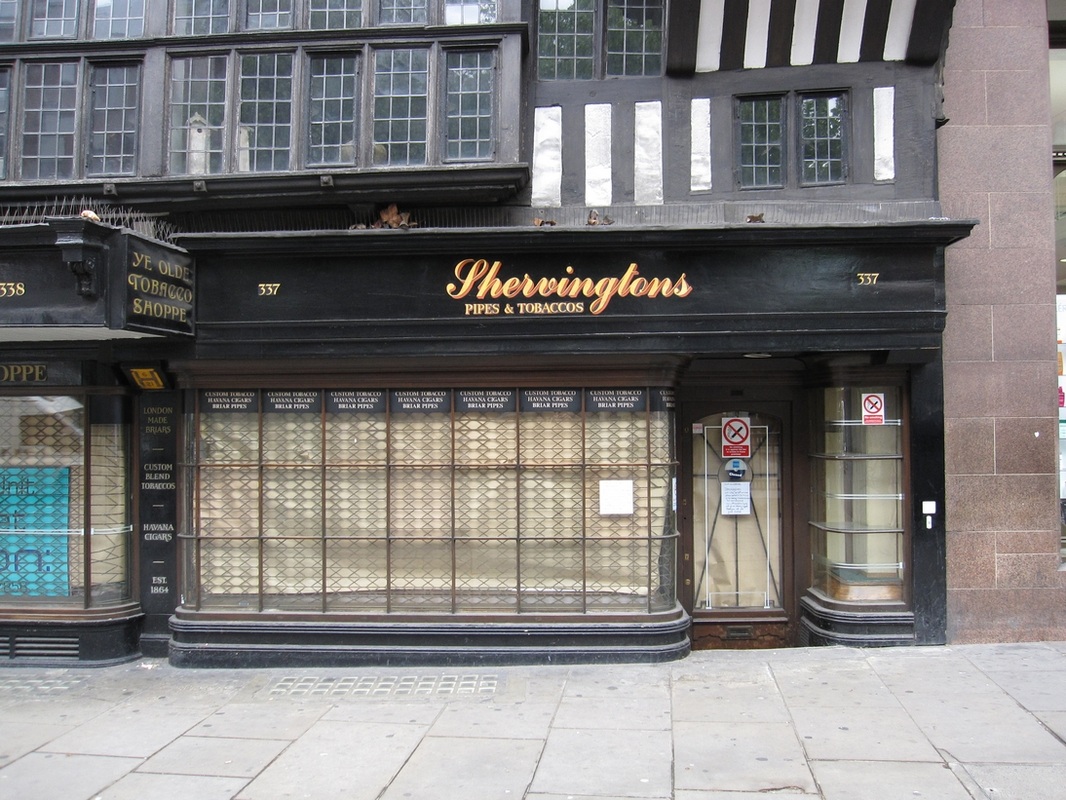
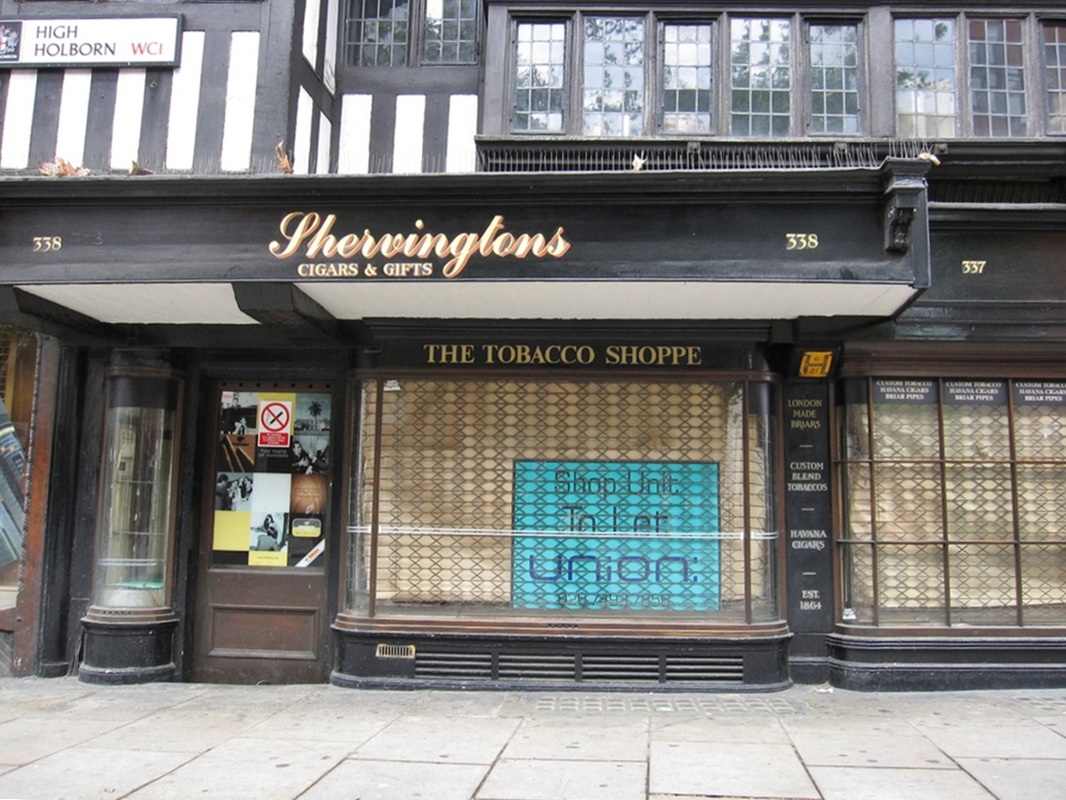
HIGH HOLBORN - Shervingtons
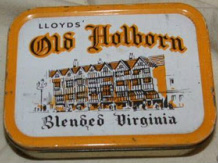
The history of this tobacconists goes back to 1864 in a shop in St Swithins Lane in the City. It moved to the present location in High Holborn in 1920, and the shop in those days was called Brumfits. It remained that name until 1992 when it was bought by Merton and Falcon who changed it to Shervingtons." The building was used as an illustration on pouches and tins of Old Holborn Tobacco
Shervingtons was one stop shop for the discerning tobacco connoiseur with a charming old-school feel.
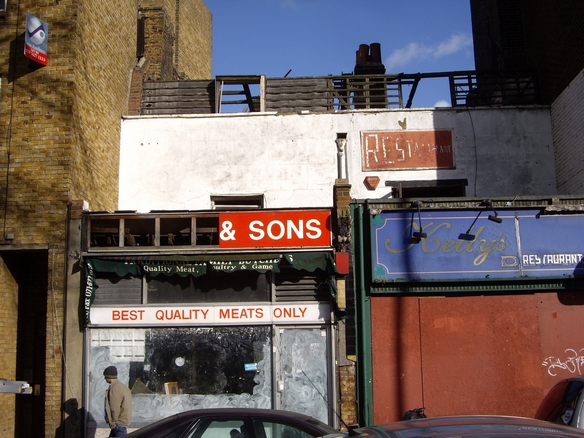
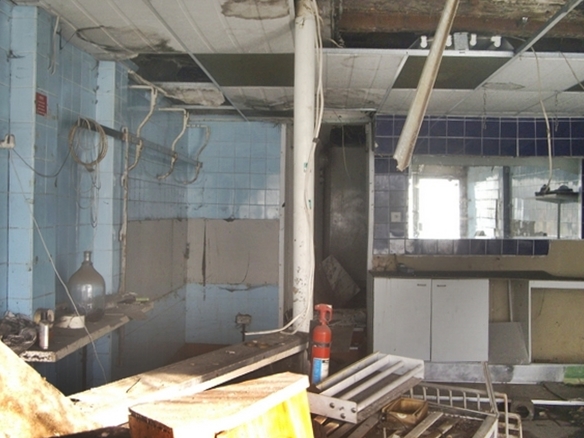
CLAPHAM OLD TOWN - Traditional Family Butchers
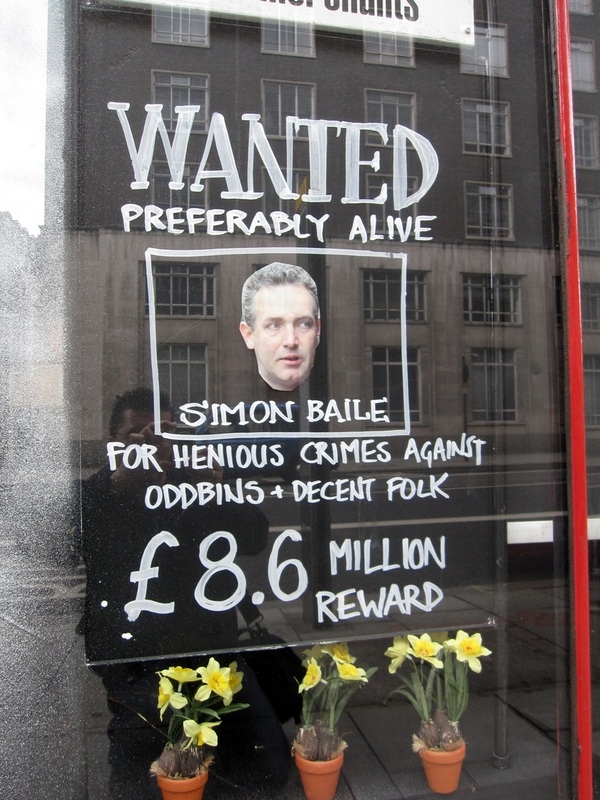
HOLBORN - Oddbins Off License
With the big supermarkets greatly increasing their range and quality of wines - at the same time as opening smaller convenience outlets - Oddbins started to be dwindle.
Bought in 2008 by Simon Baile, the son of a previous owner, Oddbins limped on with its number of outlets falling to 85 from 250 at its historic peak.
Oddbins avoided going bust like rivals Threshers and Wine Rack, but without sufficient investment to turn around the business, its losses mounted and in April 2011 it was forced to go into administration, owing HM Revenue & Customs £8.6m.
Recently Oddbins and 37 of its stores were bought for an undisclosed sum by by multi-millionaire investor Raj Chatha who plans to turn Oddbins into a niche wine seller that is completely different to the supermarkets. This store in Holborn was not one of the lucky ones to be resurrected....
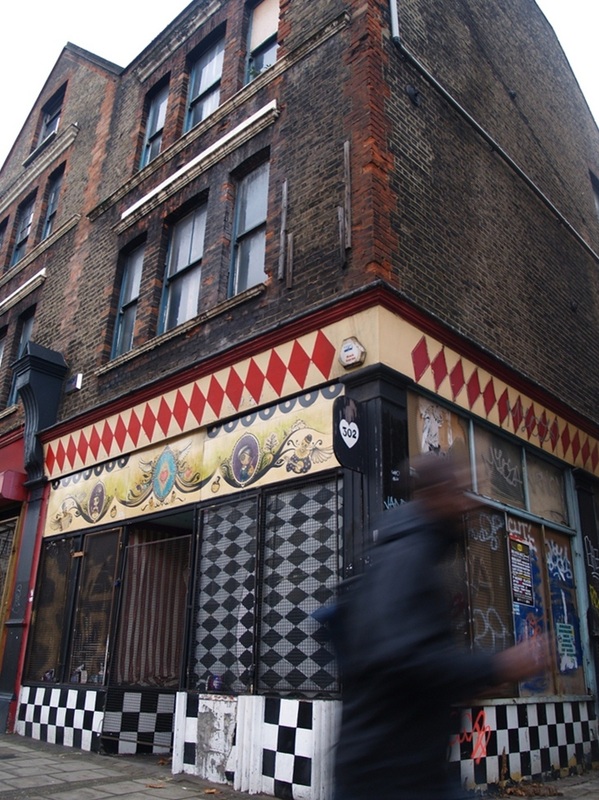
NEW CROSS - Danse Macabre (aka Vintage) Clothing Shop
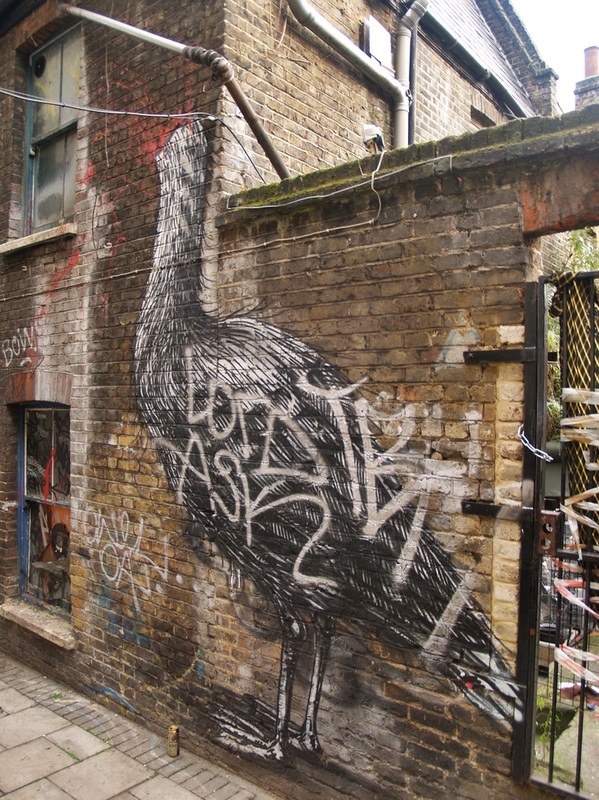
This shop sold mainly vintage clothing plus some pieces by up and coming jewelry designers. There was also space for exhibitions. The shop is now gone and the whole row of shops now looks pretty much derelict with maybe a bit of squatting going on. The block is owned by Goldsmiths College and the we await its fate.
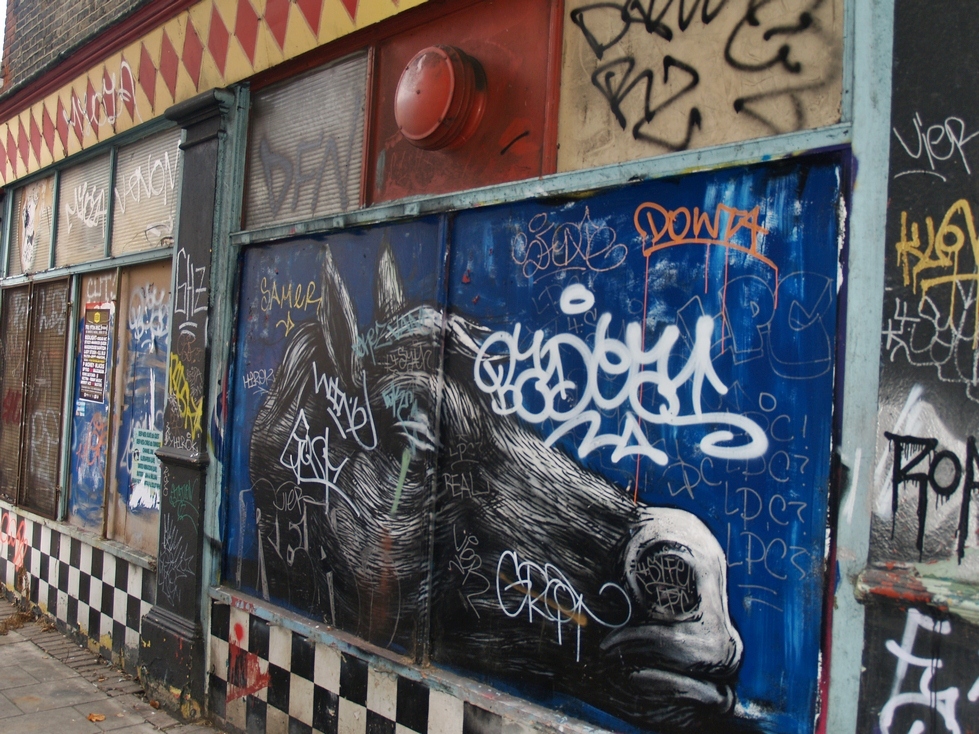
The streetart to the side of the building is by the well known Begium artist Roa who made a rare trip south of the river as much of his London work is based around the Brick Lane area.
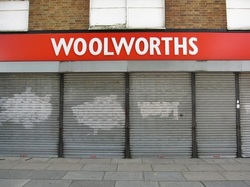
ALL OVER LONDON & the UK - Woolworths
The whole of the UK mourned the loss of Woolworths which went out of business just before its 100 year anniversary in this country. It sold a bit of everything from pick n mix sweets & cds to children's clothes & gardening tools. It became a dependable jack of all trades but master of none and while a lot of people browsed the stores in latter years nobody actually spent much money in there. Business only bucked up again when the much talked about closing down countdown sale took place.Saddles with debts of over £300m the 800 stores across the country closed down a week or two either side of Xmas 2008 leaving 30,000 loyal workers without jobs.
This isn't just the end of a chain store. It is the final chapter in a shopping way of life, because nothing will quite take the place of Woolies on our high streets.
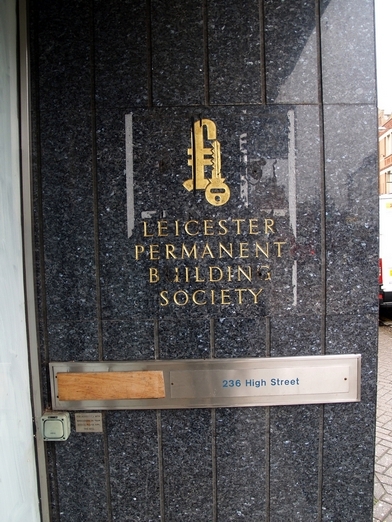
BROMLEY - Leicester Building Society
A reminder of the long gone Leicester Building Society who merged with the Alliance in 1985 to form the Alliance & Leicester Building Society. Alliance & Leicester was acquired in May 2010 by Santander UK and all branches now carry the Santander name although this branch in Bromley is long gone.
Derelict London Shops - North Thames Gallery
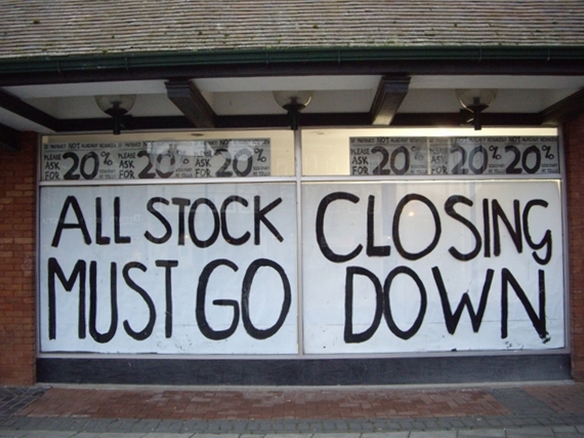
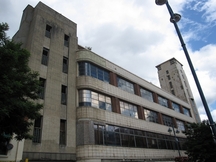
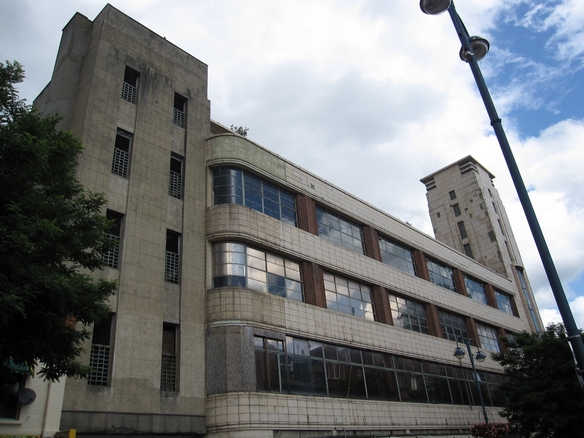
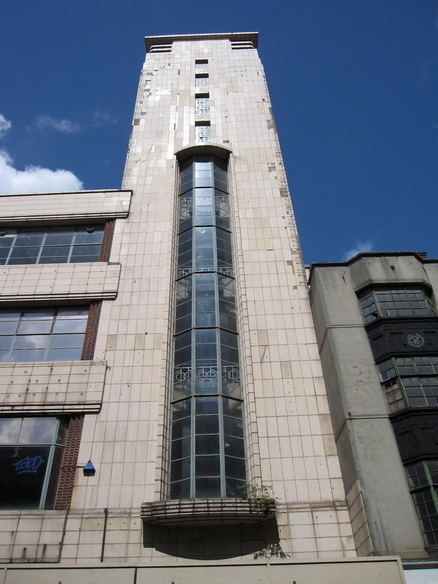
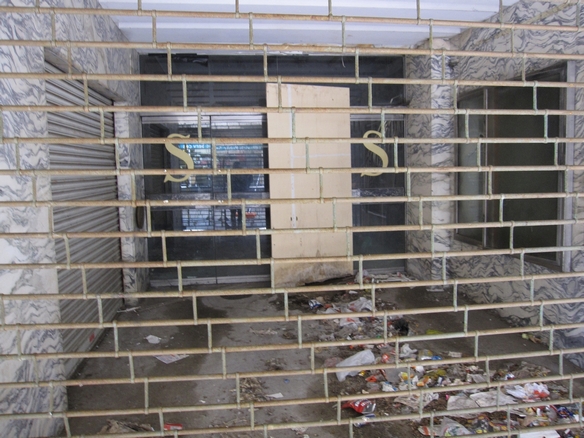
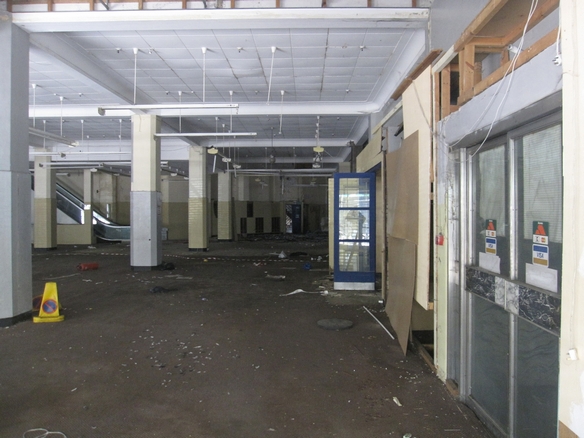
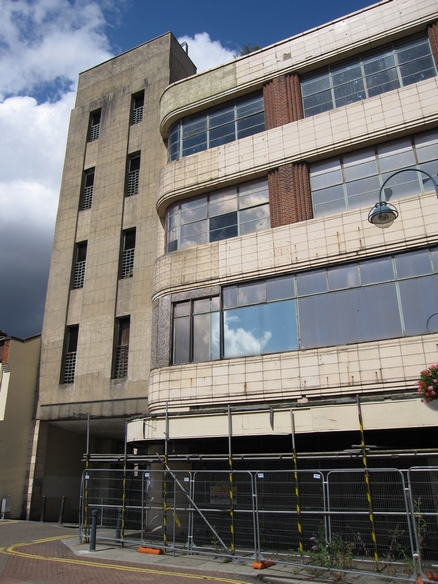
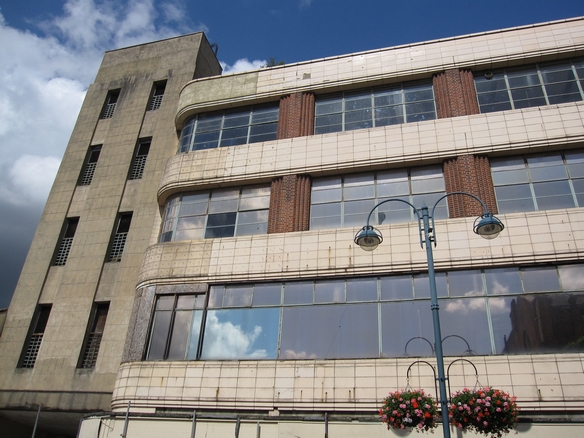
WOOLWICH - The Old Coop Department Store
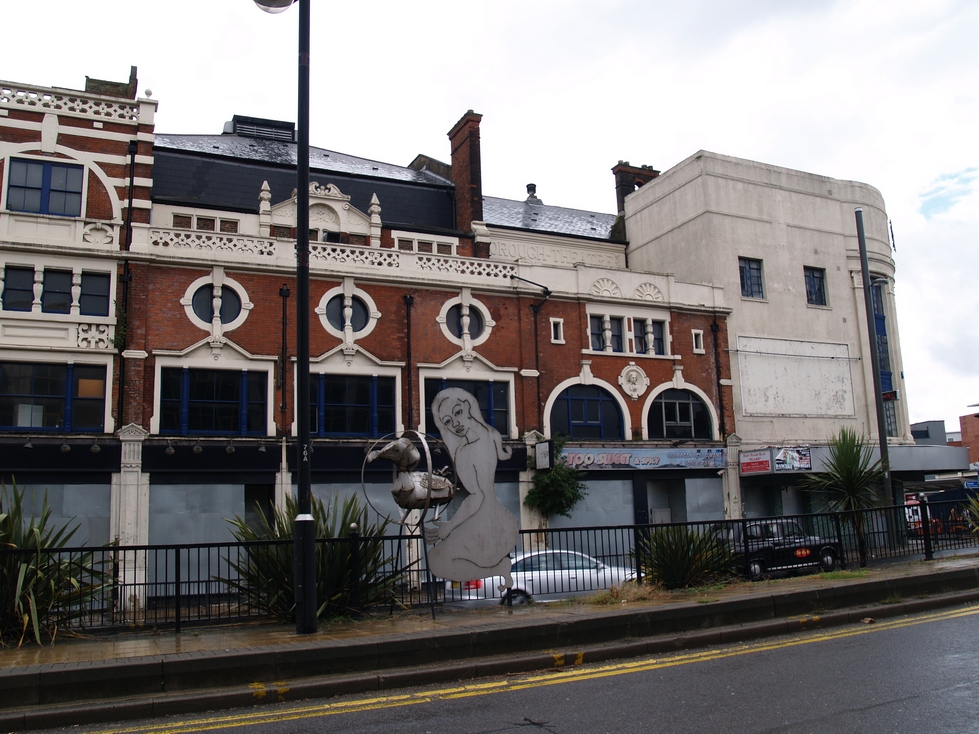
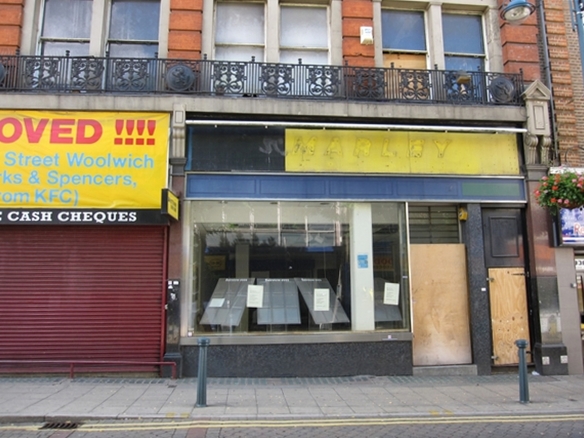
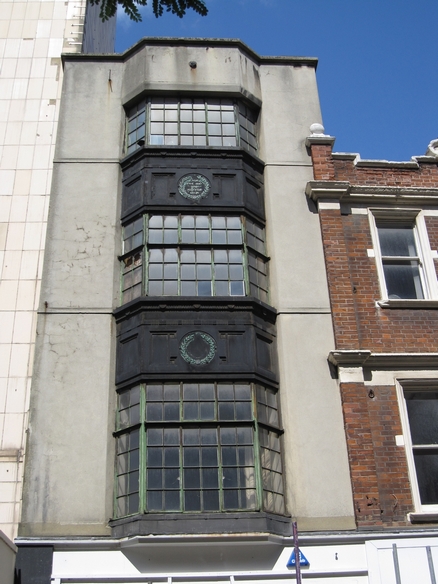
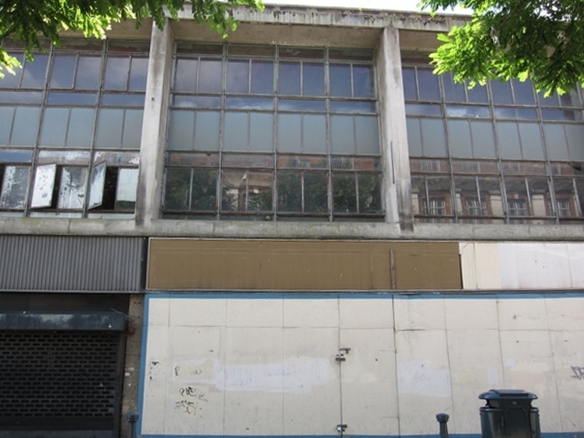
The 1930s Co-Op building in Powis Street has been earmarked for demolition by the Council, who want to redevelop the whole "Woolwich Triangle" are with a hotel, shops & housing.
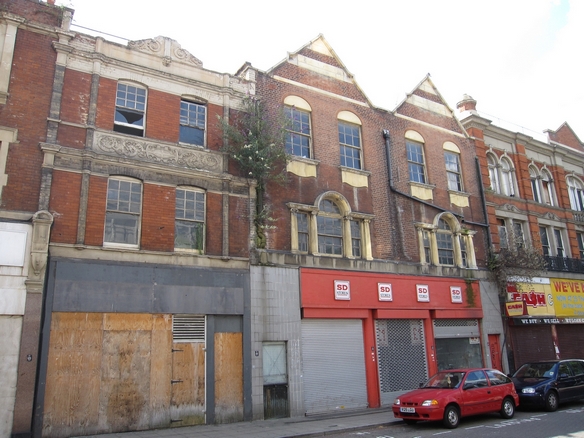
Rev. Sue Scottley ( www.welovewoolwich.co.uk ) writes: "Most of the site is empty Victorian shops which have been left to rot for some years, and have taken the opportunity with glee, but the Co-Op building is a striking art deco style department store with a tower and is a one of three large 1930s buildings at that end of town. The other two are safe, being occupied by a church and a bingo hall, indeed the bingo hall was open during the London Open House weekends because it's so beautiful and well-preserved. So even though that end of town could well be described as our "Art Deco quarter" the Council insists on wanting to demolish the Co-Op. I've started petitions online and in town, and I'm getting quite a lot of support. . I live across the road from the rotting Victoriana, and am disgusted and aghast with the Council that seems determined to write off my end of town a hopeless dump, even though my side of the street is thriving and has no vacant shops! I really don't see why they can't refurbish and redevelop rather than demolish the whole "Triangle"."
and here are some of the other nearby derelict shops in the Woolwich triangle:
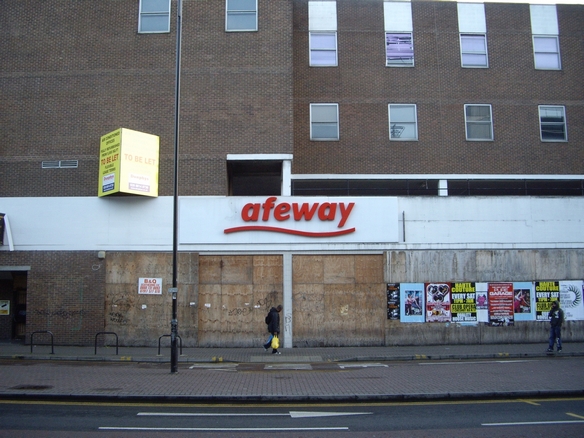
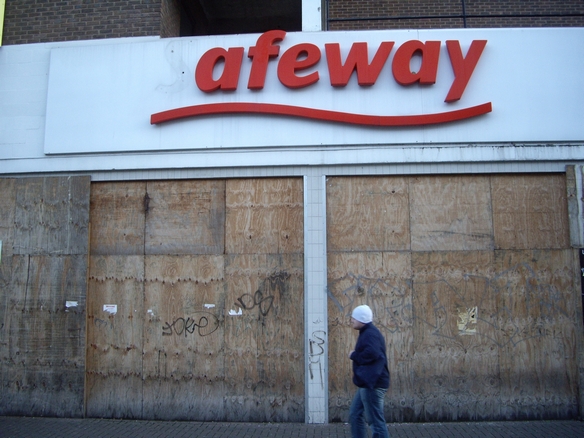
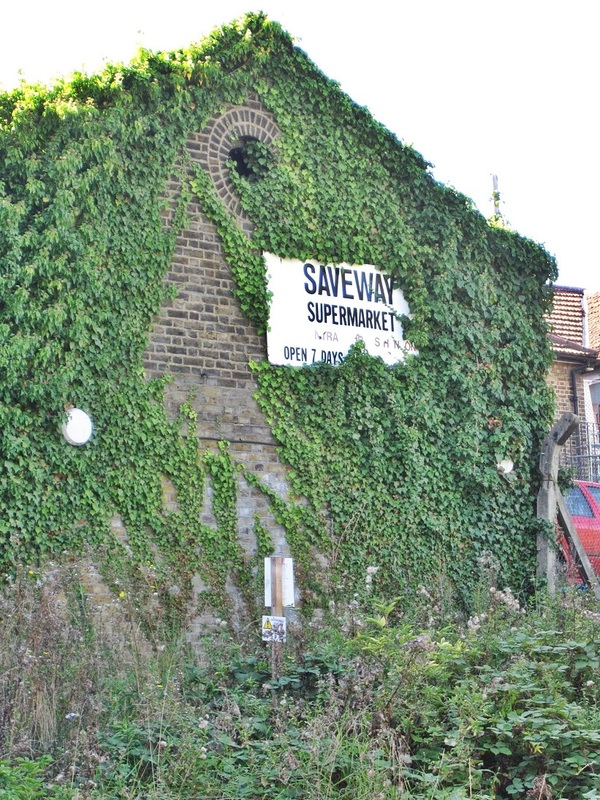
HOUNSLOW - Safeway Supermarket
Safeway were one of the UK's largest supermarket chains but were taken over by Morrisons a few years ago. Morrisons simply renamed most of the old shops although they decided not to convert this one in Hounslow (some leasehold issues apparently). The interior of this old Safeway store was used as a film set for the interior of Somerfields in Hot Fuzz starring Simon Pegg.
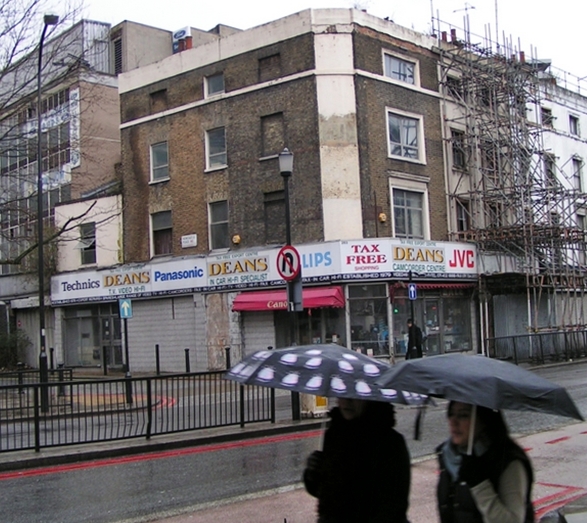
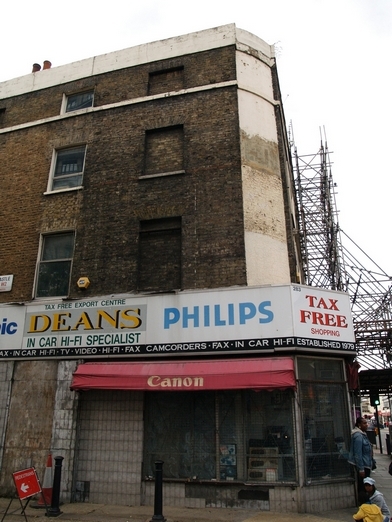
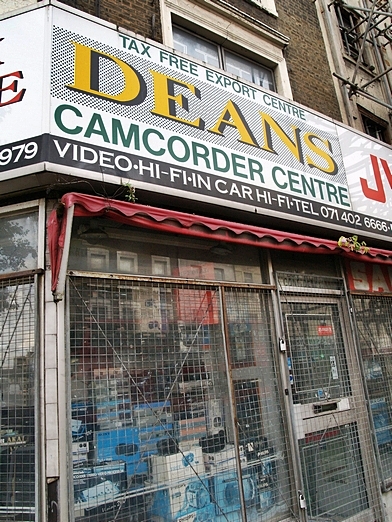
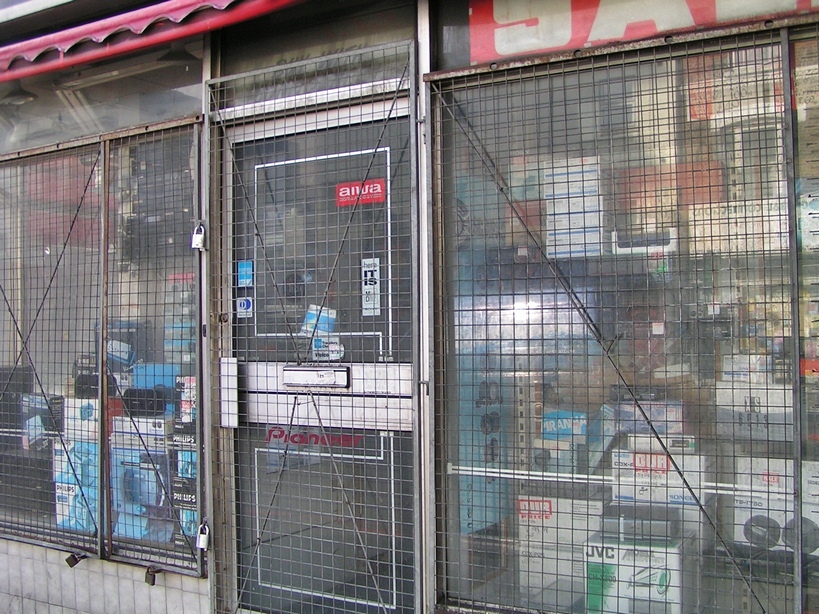
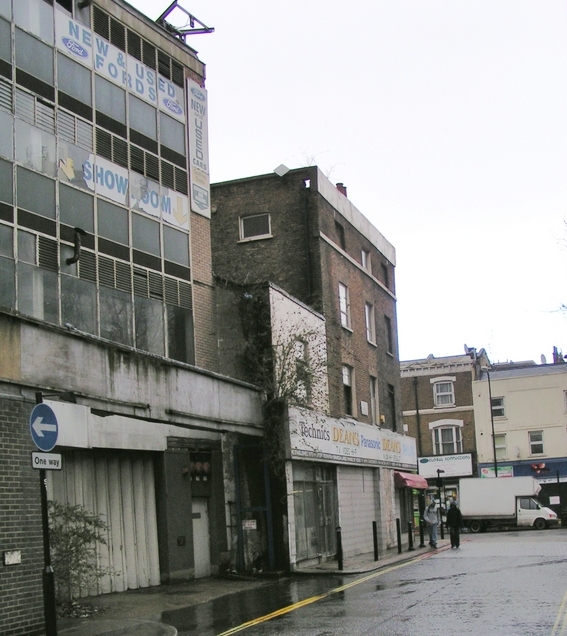
PADDINGTON GREEN - Deans Audio
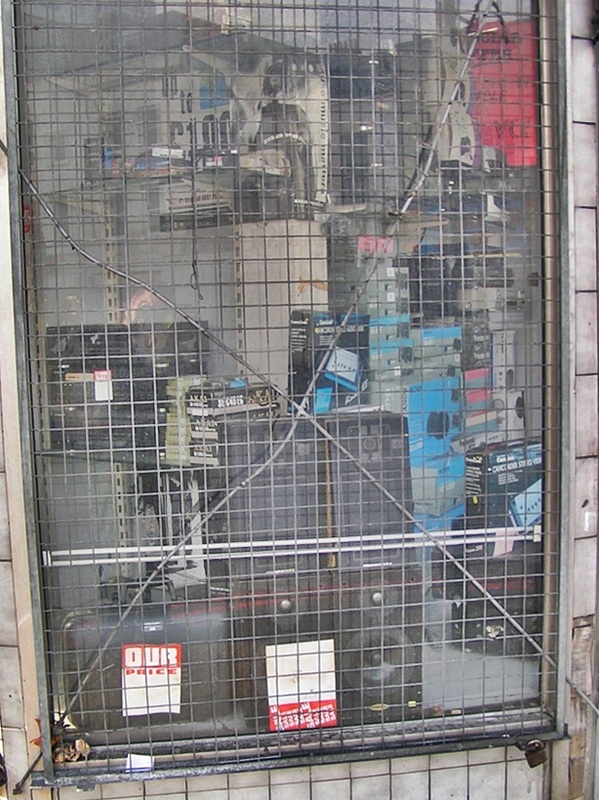
This electrical shop appears to be abandoned - there is "brand new" stock in the window but it appears to have been there for years untouched and the price tags have faded and the pollution of the Edgware Rd has added an extra grime to the window. The owner obviously hasn't bothered opening up since his Sainsbury windfall......
I found this article in the Observer: "Businessman Michael Dean has received £3m and is in line for up to £7m more. He may be Britain's luckiest small businessman for he was in the right place when Sainsbury's property development team came knocking. The supermarket decided it had to speculate to accumulate, and Dean's property was the gamble it took. It was prepared to bet almost £10m on a run-down, four-storey corner shop with flats above in the belief that it would unlock access to central London's last superstore development. As a public planning inquiry showed, it may prove to have been an expensive flutter. "
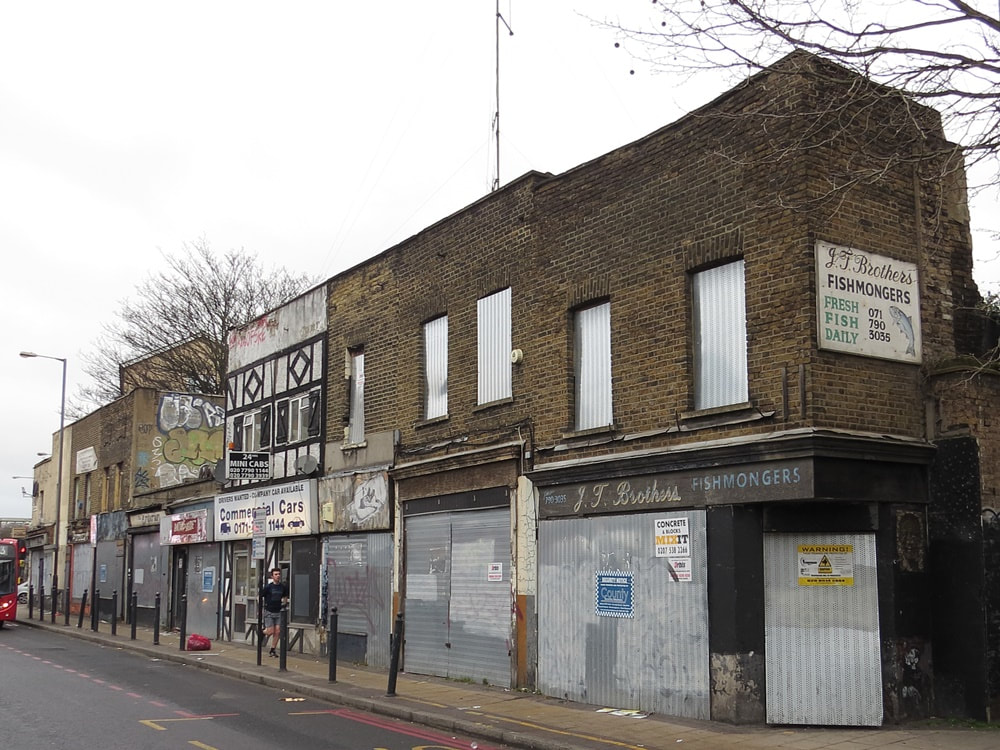
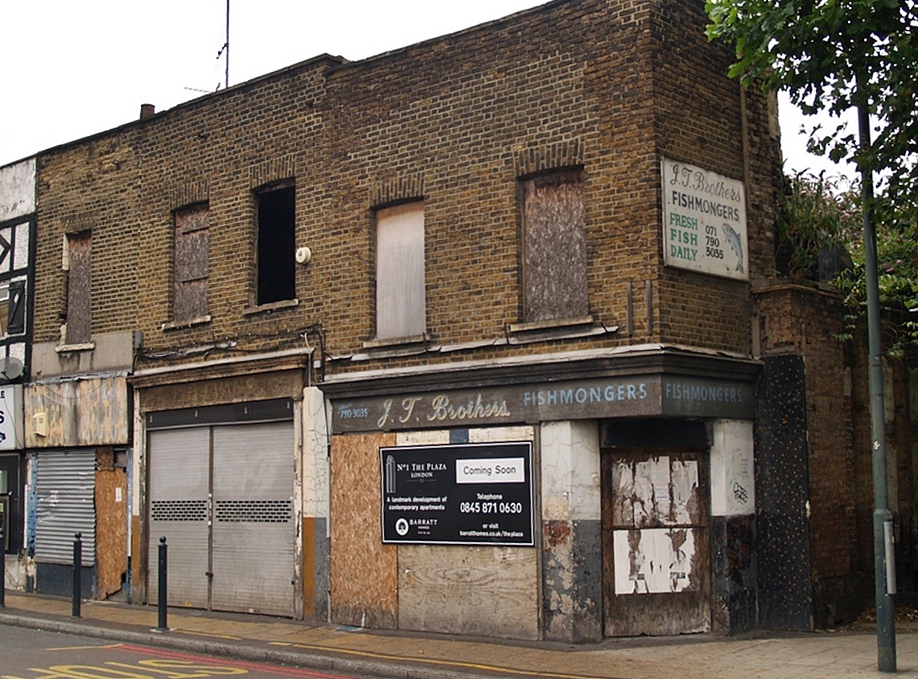
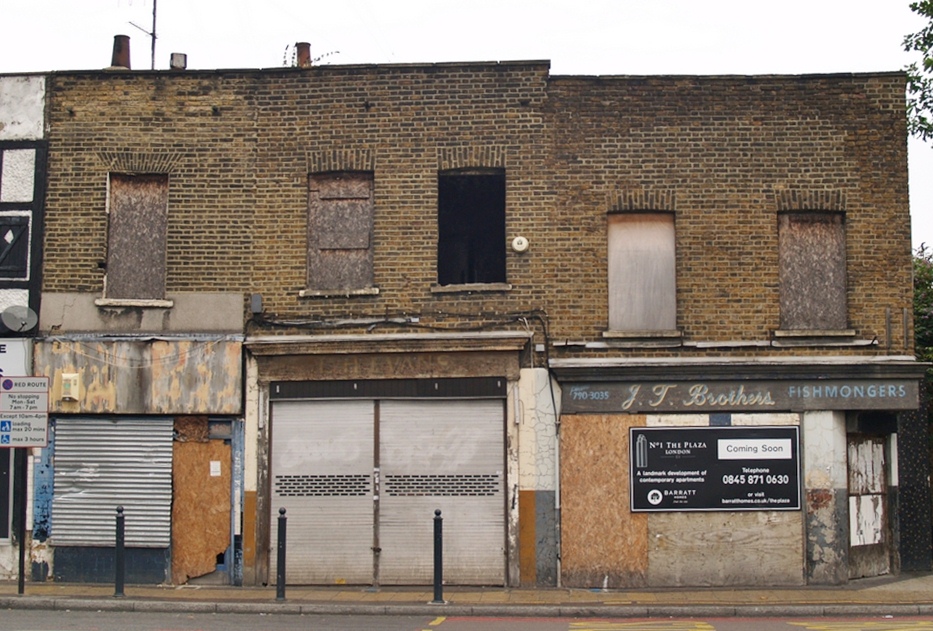
LIMEHOUSE - Fishmongers
Jamie writes: "Oh dear! it is so strange to see what was once such a vibrant little shop,all closed up and in bad state of disrepair,mum and me would get off the routemaster no 15 or 23 bus at the stop right outside Les's fishshop/stall on our way home from school and work,and have a chat and the opportunity to buy just about every fish you could possibly imagine,there was no public entrance to robert's ,you would stand shoulder to shoulder with other customers along the front of the shop at the bottom of the fish display,we moved into the area 1976, and les was running the show then,he was a hilariously quick witted and cheerful bloke, i can picture him standing there in his white coat and apron (not always wearing a white hat)people not only bought fish from les,but also went for a 10min comedy stand-up routine from him over that side side,while everyone was this side,seperated by the cold staring eyes of his latest livlihood,My mother was his greatest fan, and once to top all the belly laughs we had from him and his fishy tales of fish,his brother in law dave who was equally as funny as Les was standing behind the display,looking Big powerfull and assertive and ready to go,he took our order down on his little notebook(paper-one)and semi-dissapeared from our view,my mother allready laughing at that,laughed extremely hard when he showed us his upturned milk crate,he stood on,he was only half visible and then stood up on the crate and Wow instant leadership and pillar of the community mixed with a tall and confident body language ,but quickly and suddenly vanished alltogher,1 sec later a dishevelled bloke ,wearing a now wonky straw hat and soaking wet uniform appeared nose first from the top of the display,slowly and then a yell of NO OH NO NO, his fall from crate had also tipped the full to the brim with live eels tank over,and before everyone's eyes they dissapeared one by one in single file right down the drainage hole in the floor inside the shop,with him desperately trying to catch em by their tail end,every body outside was not sure wether to lol or not ,so had it away on their feet ,to a bit further down the road where they could not be heard laughing at the poor mans plight,funny and lovely memorys of days past,i think he shut down about 1990-or1992,we never saw him again,such a funny good natured bloke he was..!"
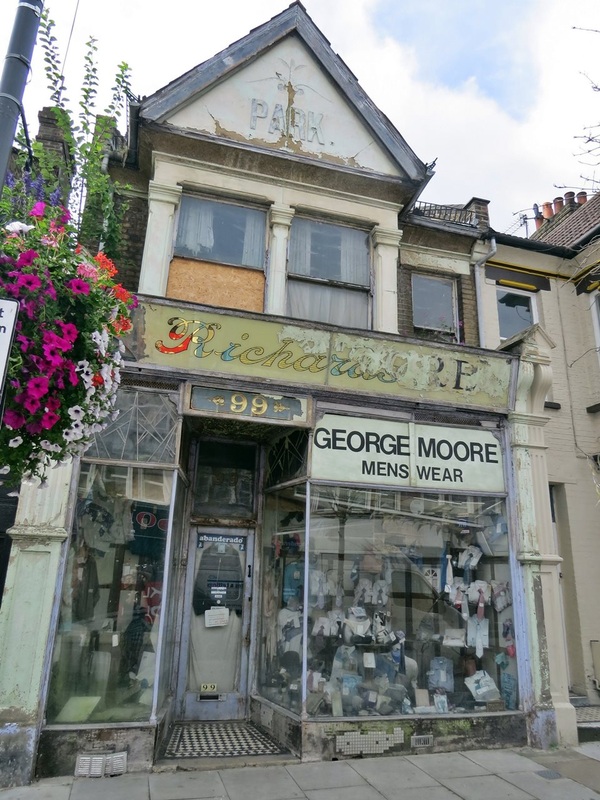
BOWES PARK - George Moore Menswear
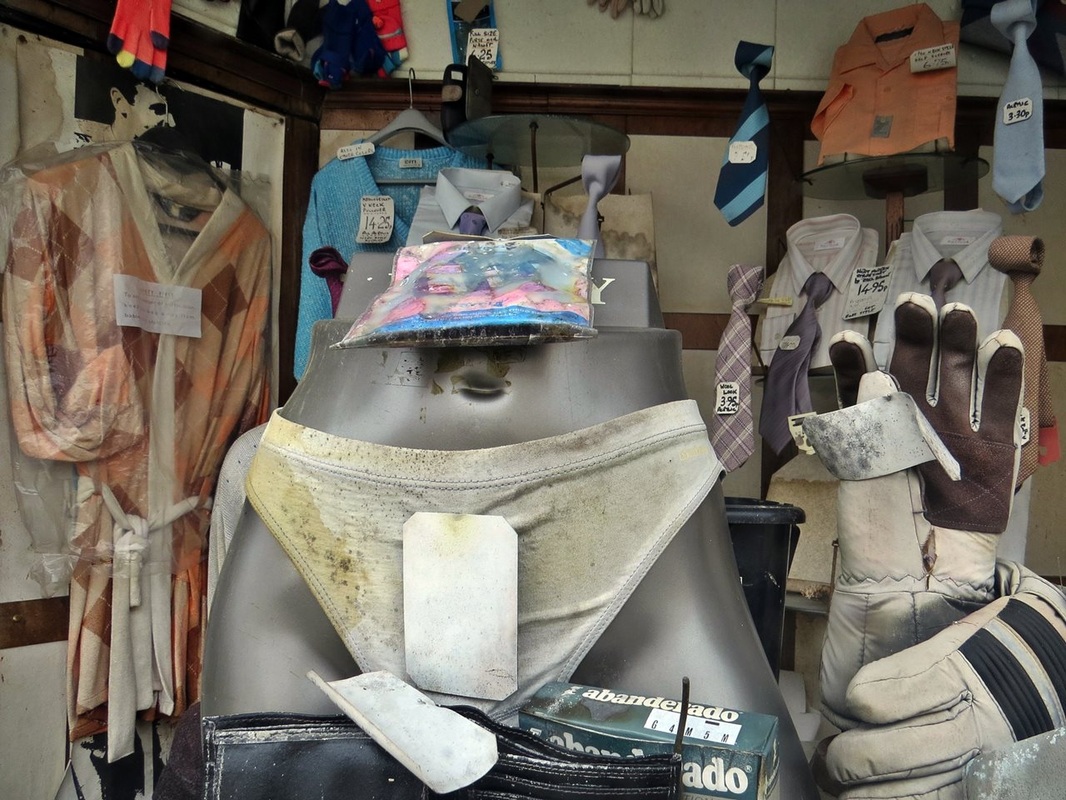
This menswear shop has a fully stocked window display but it looks like the shop simply closed one day several years ago and unexpectedly didnt open the next day.
Gary Cook writes: "the gentleman concerned is George D Moore, he is still alive and kicking but only opens once or twice a month, this is due to some kind of council tax rebate; if he keeps stock in the window he gets some sort of discount as he still lives upstairs. I remember as a child going to the local chippy about 10 doors down and on my way back eating my 6d (2 1/2 pence) worth of chips, I would stand and stare at his motorised revolving cufflink stand that was always in the front window with the cheap stones reflecting in the shop lights,its not there any more, it must have given up the ghost, however he has not, he must be about 75- 80 now , a mad nostalgic friend of mine always trys to buy a shirt or a pair of underpants to give him some trade but is always turned away, so much for supporting your local store eh!. Any way great site and keep up the great work, this is one of the nets great and very interesting nostalgic sites."
BERMONDSEY - Grange Road Shops
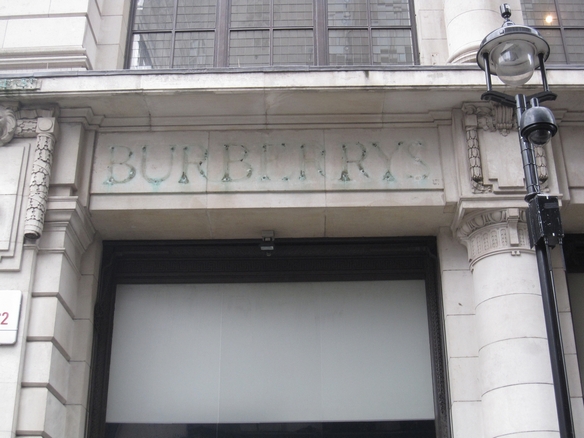
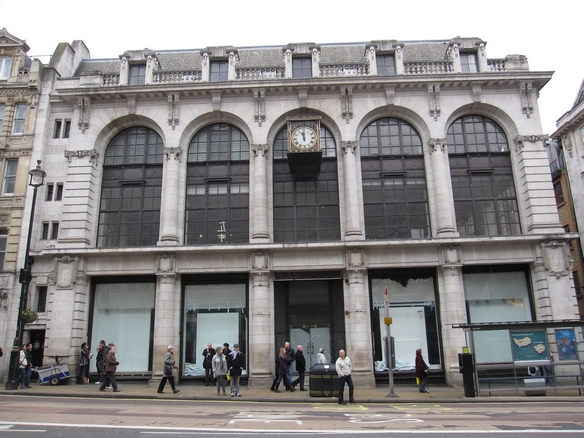
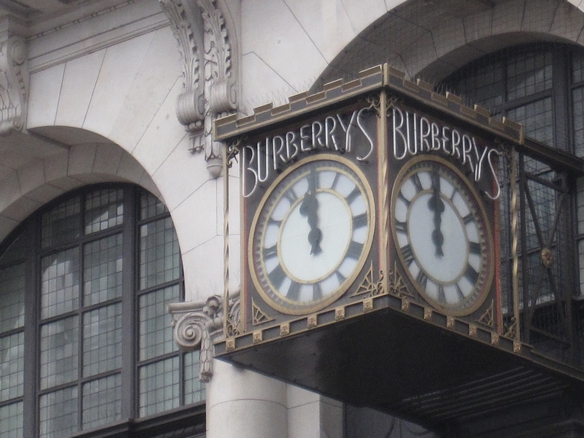
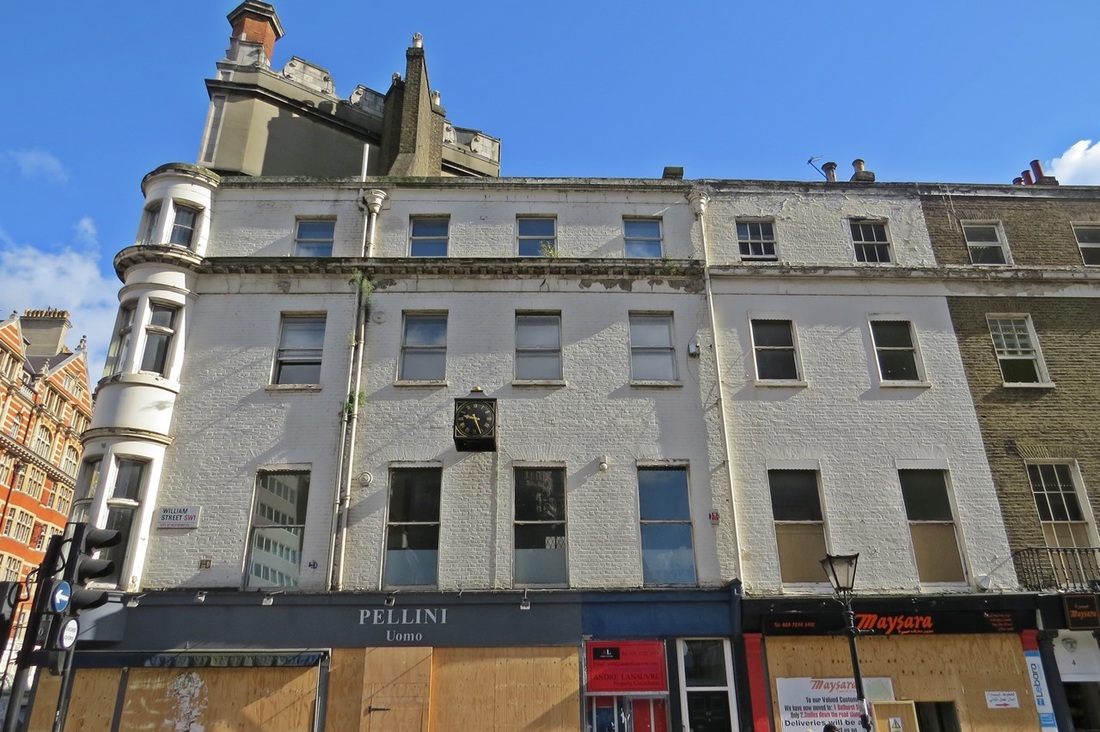
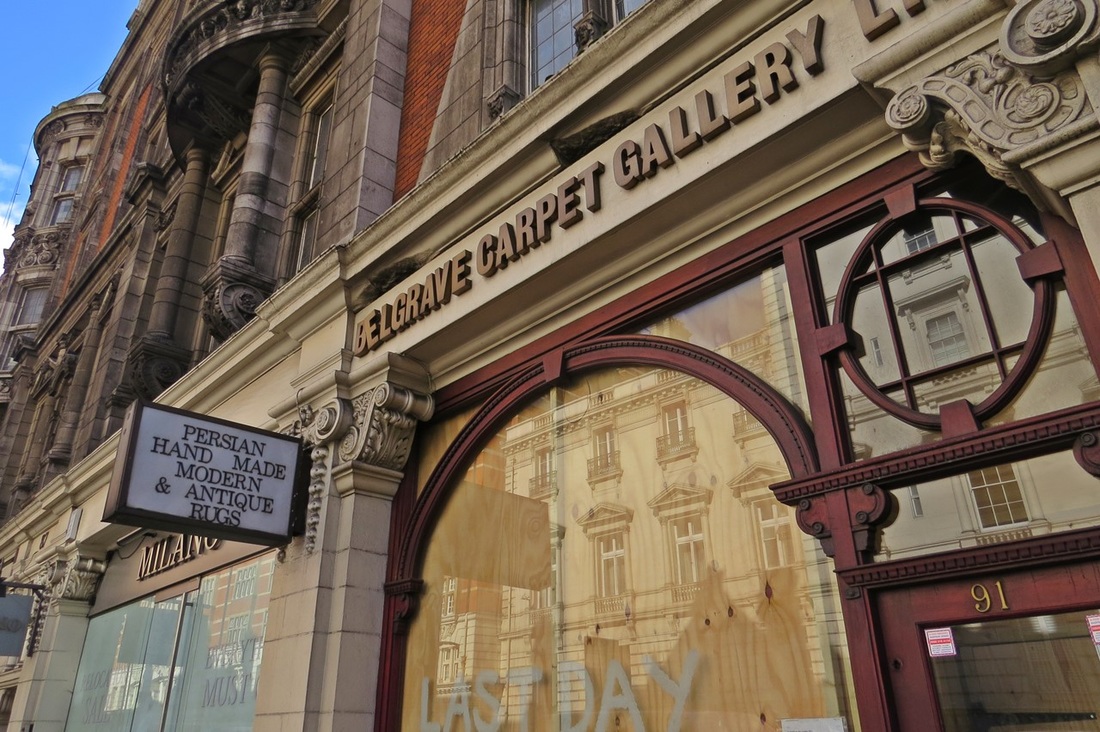
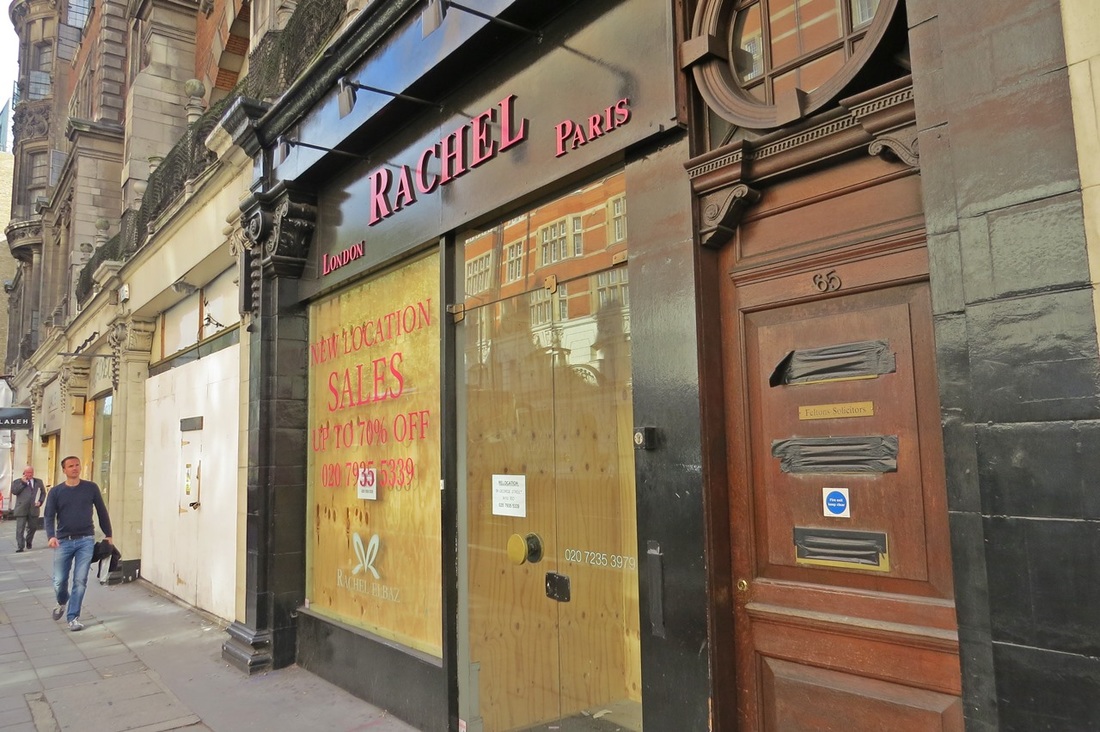
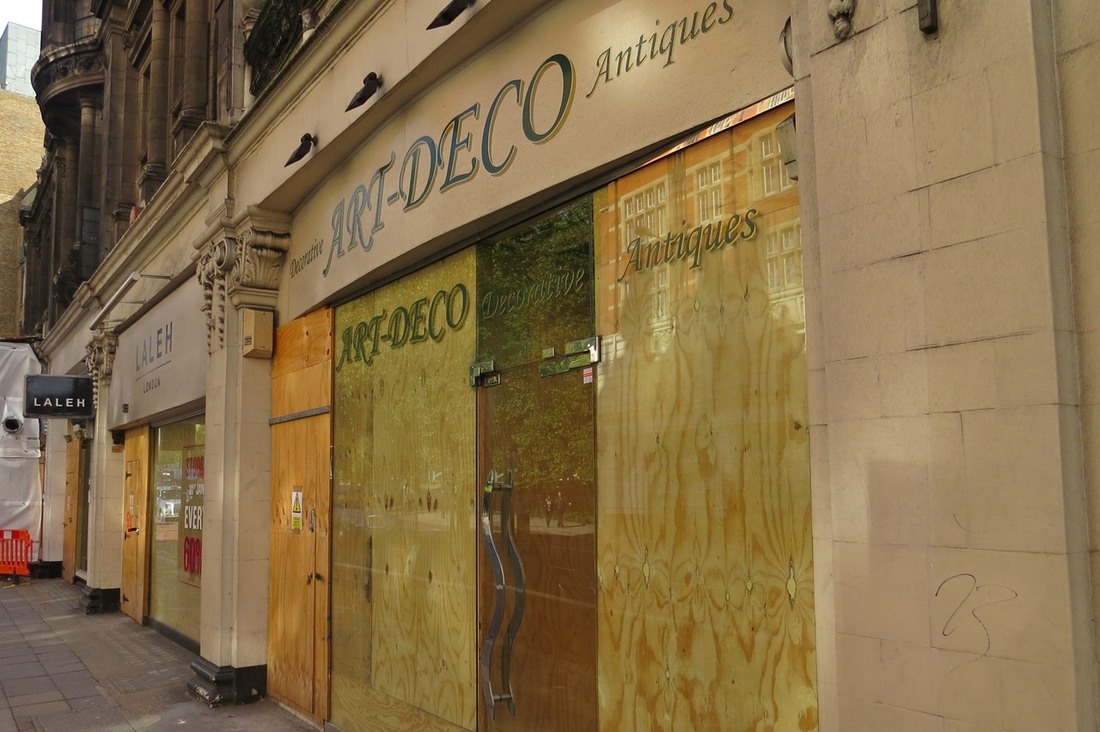
HAYMARKET - Burberrys
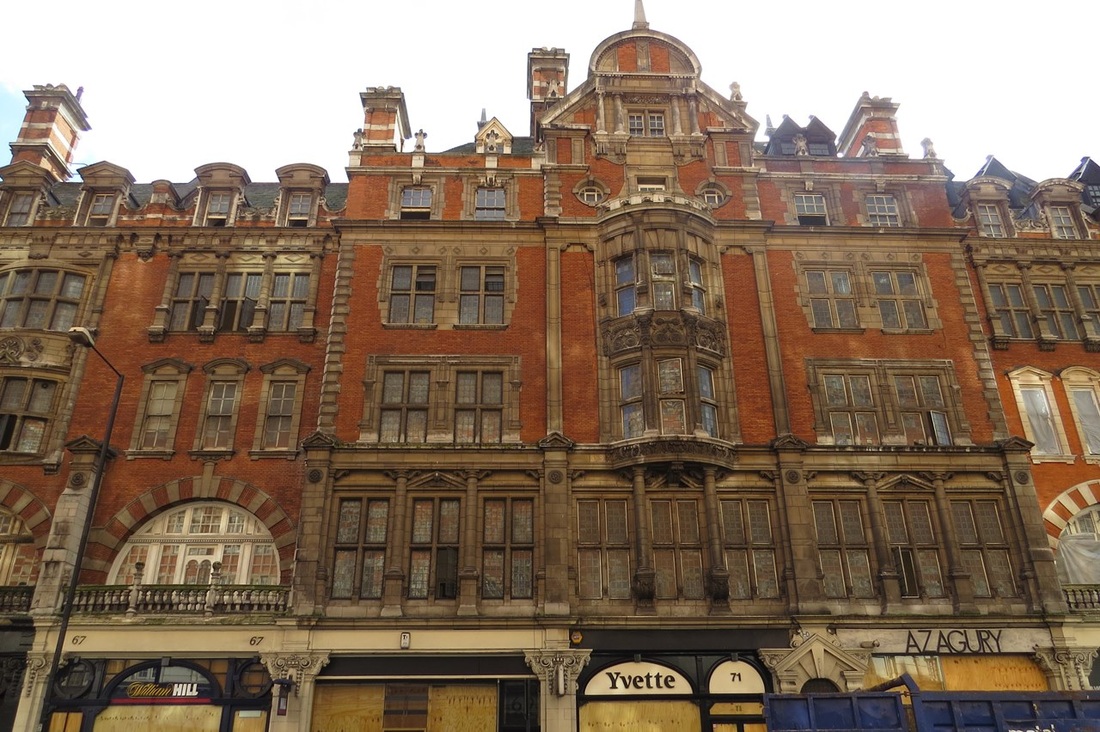
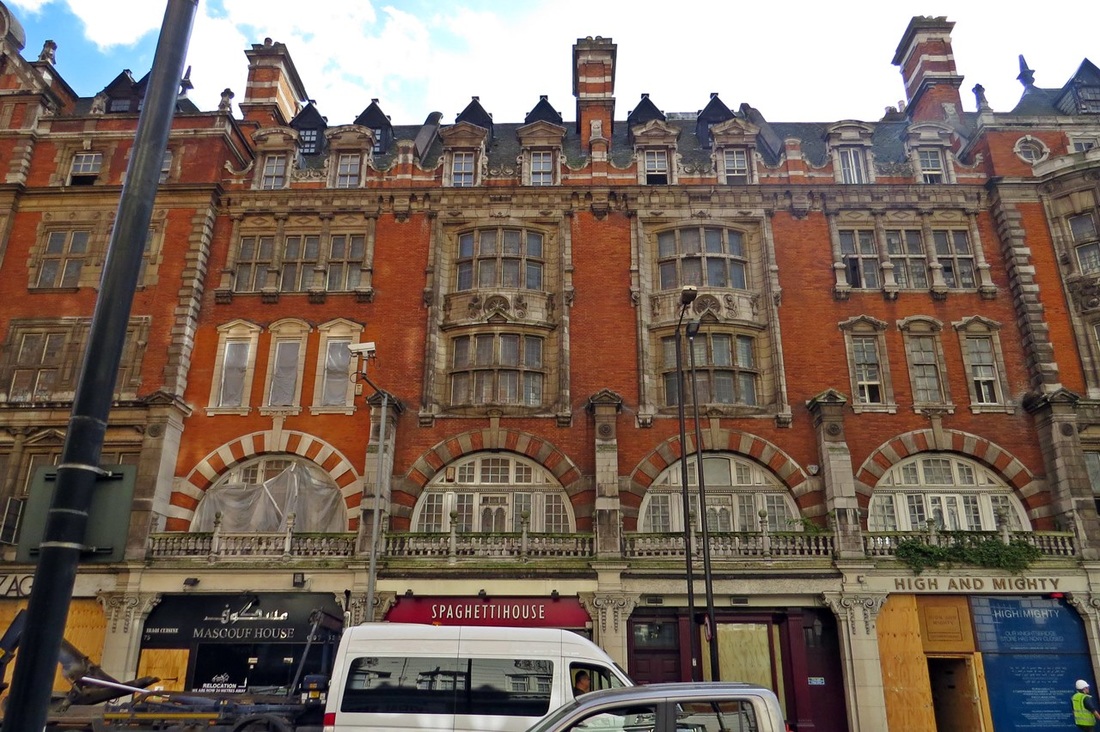
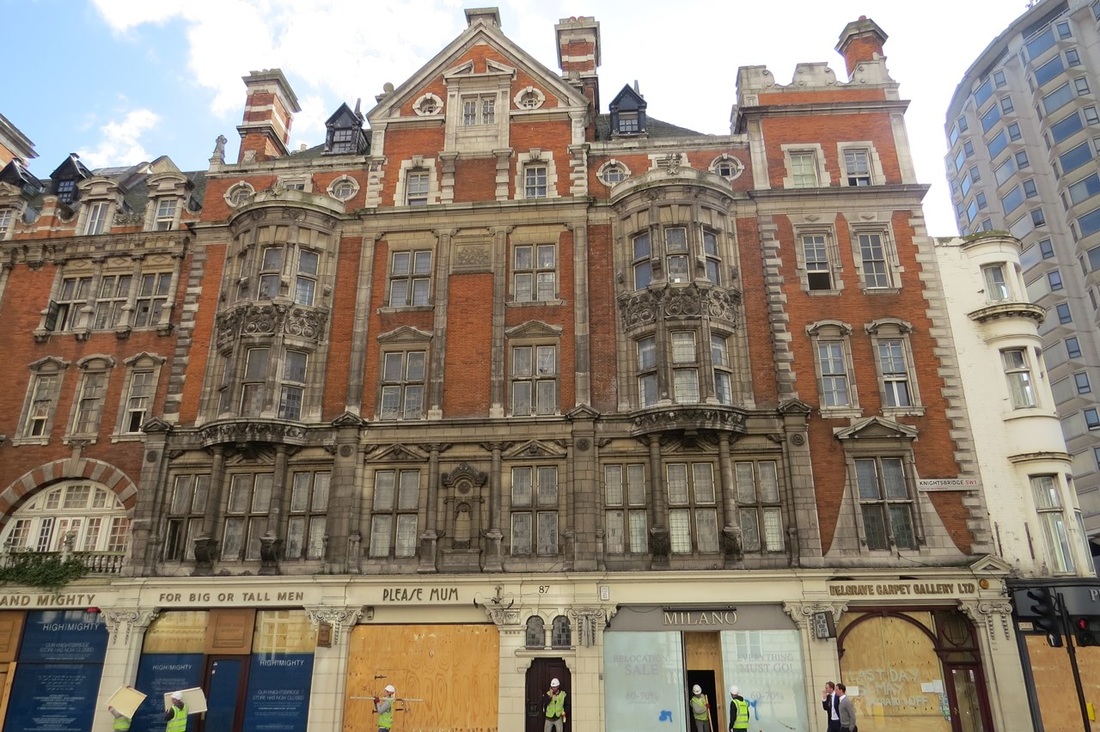
Thomas Burberry opened the first Burberry store on Haymarket, Piccadilly, in 1891. The premises only a few years ago were converted (at a cost of millions) from a shop into its head offices and a showroom but recently the fashion label relocated into a new development in Westminster. This building now remains empty.
Best-sellers of the brand include Burberry's £750 Manor Handbag, which was carried by model Kate Moss in a high-profile advertising campaign.
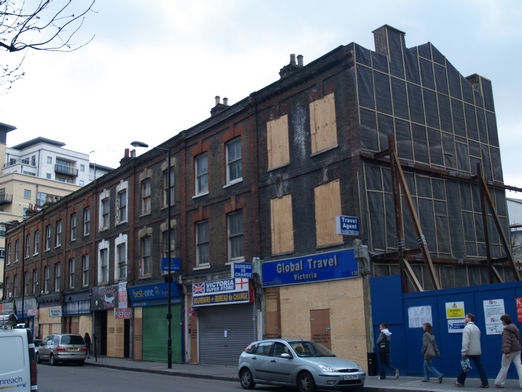
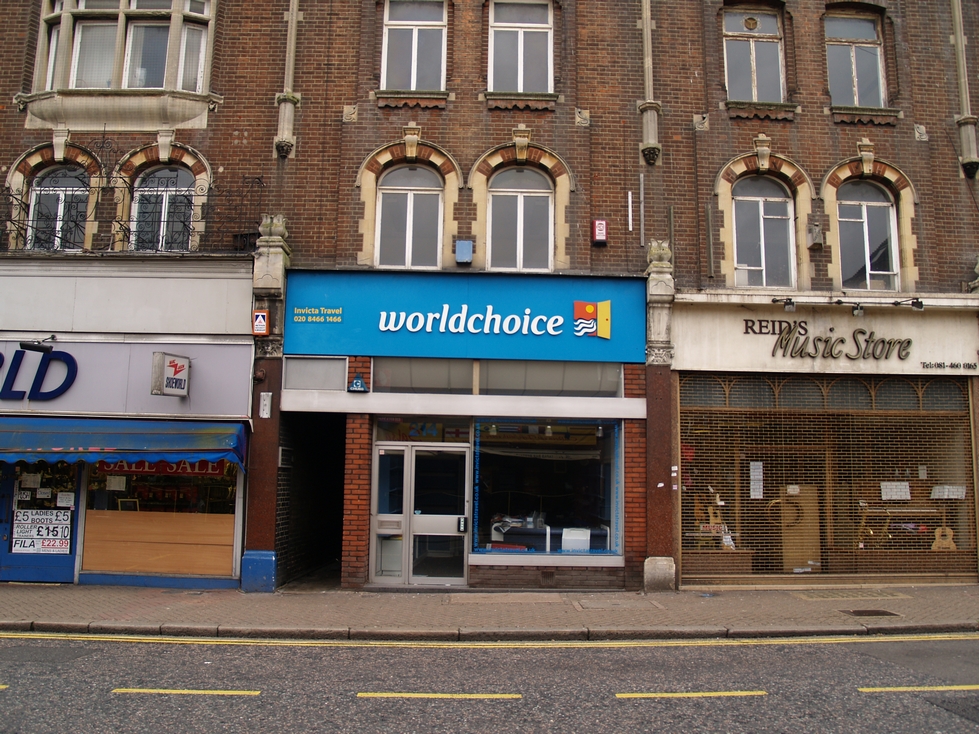
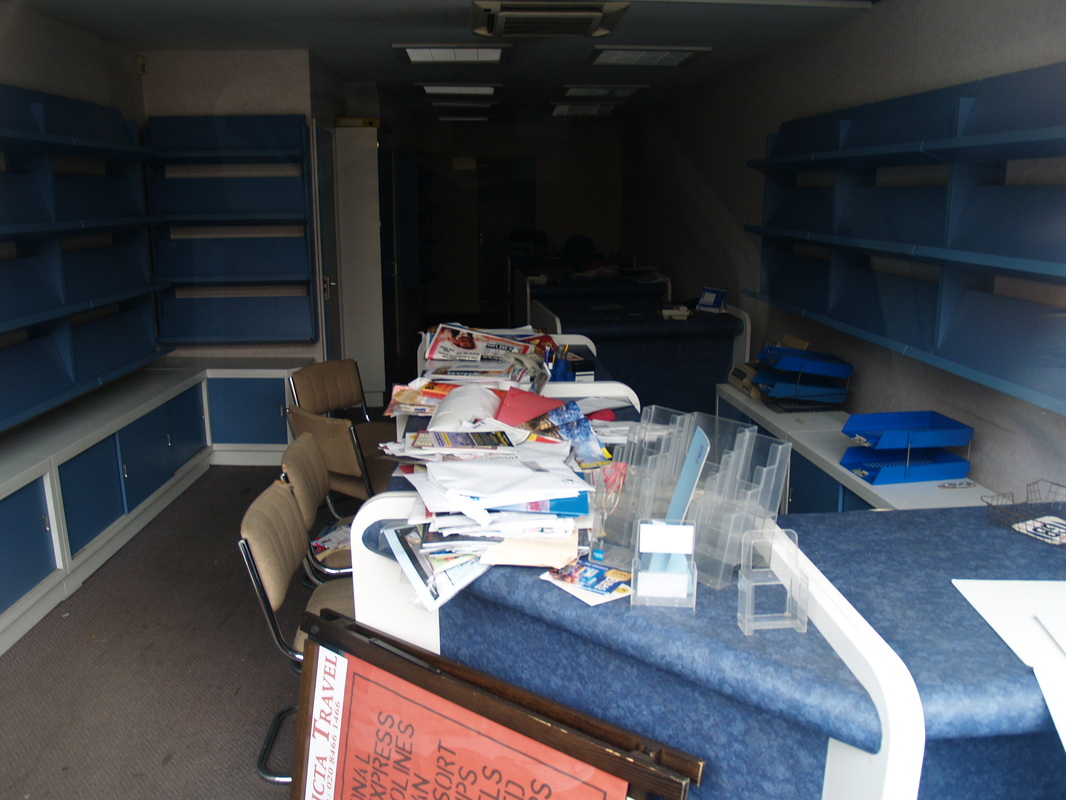
BROMLEY - Travel Agents
Holidaymakers are turning their backs on the traditional high-street travel agent in favour of booking trips online.
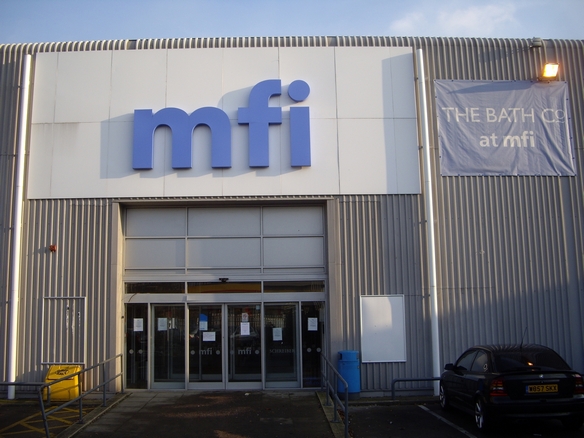
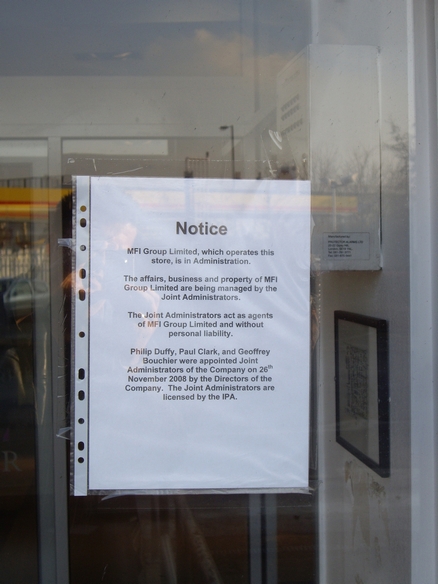
WIMBLEDON - MFI
MFI was the UK's largest furniture retailer that went bust at the end of 2008 citing falling demand ,cash-flow problems and the withdrawal of credit. At the start of 2008 they had 192 stores and a workforce of more than 2500 people. MFI was founded in the 1960s and became synonymous with the growing trend for buying flatpack furniture.
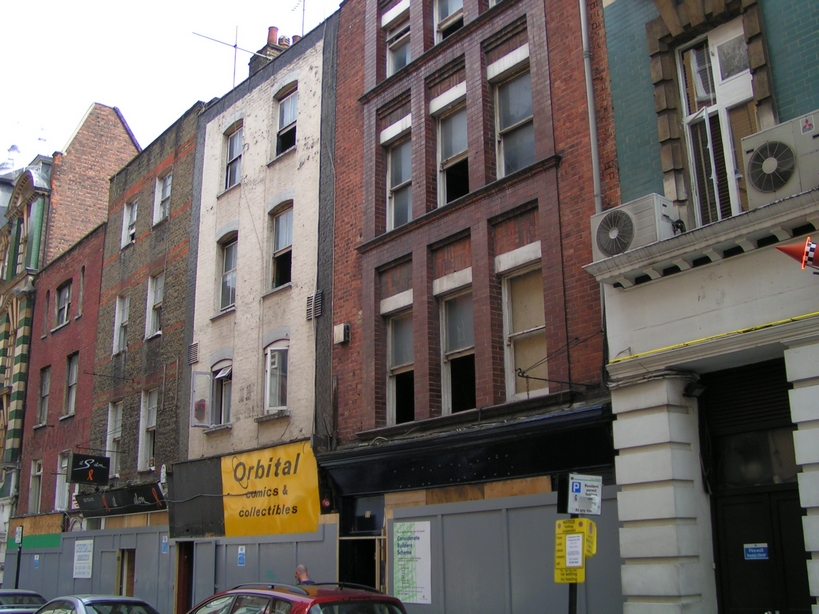
SOHO
This little triangle of shops has been been home to sex shops,brothels, etc for decades and the buildings fell into neglect and now Westminster Council wish to have this prime location beside the Charing Cross Road cleaned up. Back in the early 90's I remember coming out of a West End nightclub at 4am and for some reason we got to talking to a vagrant who ended up taking us to a late night drinking den which was situated above a dodgy minicab office in one of these buildings. The steep stairs creaked and the walls smelt of damp until you walked into a barage of smoke in what seemed similar to someone's living room.The "bar" was a tiny hatch in the wall and the seats were occupied by an assortment of clocked off streetgirls, pimps, dealers & seedy old businessmen playing cards.Of course we didnt care, we just wanted a drink and were quite happy but with hindsight the place was dodgy and felt compelled never to return. A little while later the Evening Standard reported on a major armed drug raid on the premises as it was apparently a gangland stronghold.
GREENWICH - Ladieswear Shop
Gallery of many more Derelict London Shops
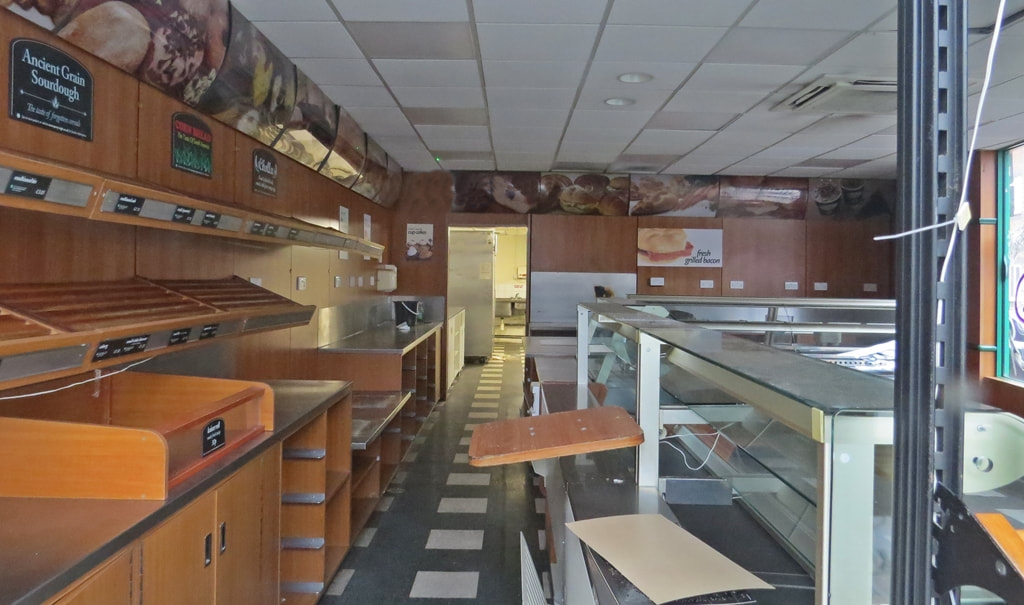
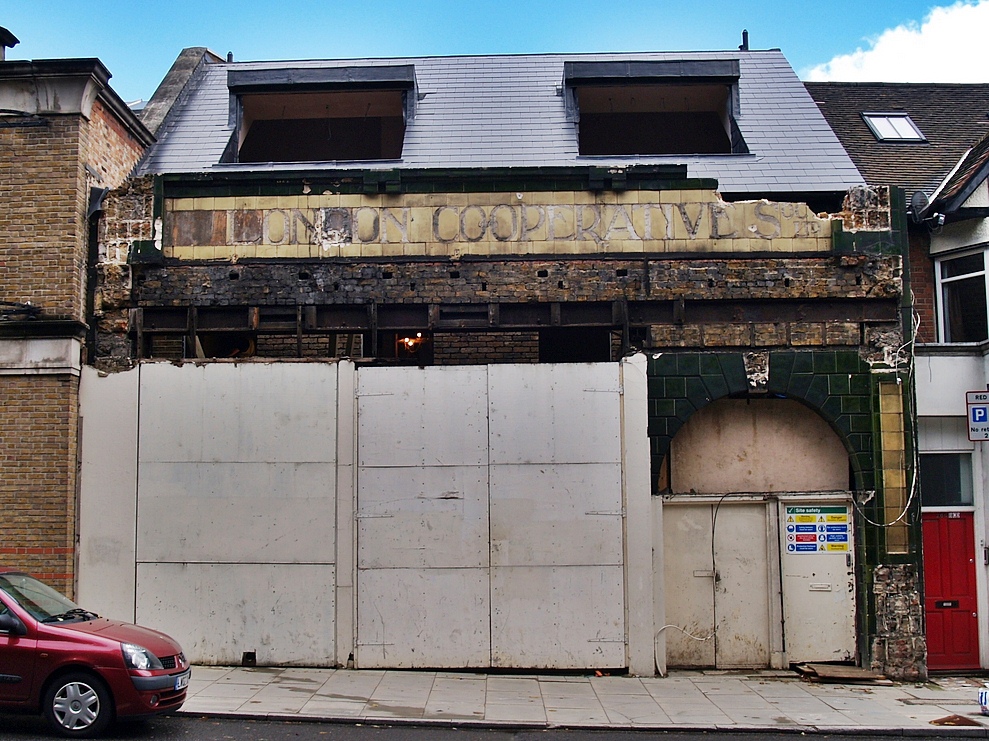
HIGHGATE, N6 - LONDON COOPERATIVE
This building had various uses until recently undergoing conversion resulting in the old tilework being exposed and the name London Co-operative Society visible
The London Co-operative Society was a consumer co-operative formed in 1920 by the amalgamation of other London societies.The LCS played a large part in the national co-operative movement By 1952, the LCS and its associated co-op organisations had over 550 establishments of sales and services, varying from large department stores to small grocery shops. These establishments consisted of grocers, butchers, fruit, vegetable and flower sellers, coal depots, furniture sellers, drapers, tailors, footwear sellers, chemists, laundries, estate agencies, funeral services and even guesthouses.
The Society was amalgamated with Co-operative Retail Services in 1981 which in 2000 merged with the larger Co-operative Wholesale Society, to form the Co-operative Group (CWS) Ltd which still has more than 4000 stores & branches across the UK.