
To advertise on the Derelict London please click here.
"Paul Talling's mesmerising website.... John Betjeman would have been proud of him"
Whats On in London
"Genius"
Danny Baker BBC London
Whats On in London
"Genius"
Danny Baker BBC London
Derelict London is an unusual photographic portrait (of over 8000 pics by Paul Talling) of the nation's capital

Welcome to the Derelict London website
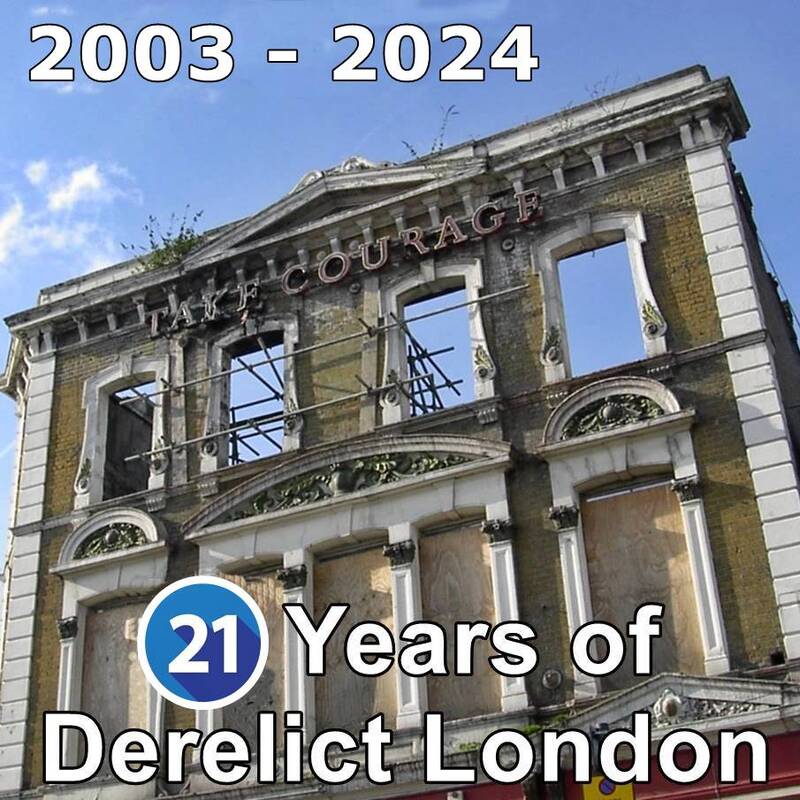
This website has now been around for 21 years. In that time, my random wanderings around London have often been described as psychogeography and that little known penchant for walking around derelict buildings with a camera has been branded urban exploration (aka urbex). This site doesn't fit into any category or belong to any forum. There are no rules. I continue to add to this site though some pages are pretty old and require updates which I shall get around to one day when I fancy spending more time in front of a computer screen.
This is not a compilation of familiar tourist sights, as another of those is hardly needed, but a depiction of an (often unpicturesque) view of everyday life in London
The site is obviously not taken to illustrate London at its most beautiful or most successful, the name Derelict London is a memorable name for a website, though not everything within this site is of derelict areas and everyone has their definition of derelict......99% of these pictures were taken by myself during many miles of walkabouts around the great capital. After years of travelling via car or public transport, I realised just how little I had seen of London. (i.e. just stepping back and looking at buildings and people). I've enjoyed putting this site together and will continue to add more pics. Try not to be too critical because I'm no professional photographer. Neither is this some trendy art student project..... Any places you think should be on this site? Please let me know. Also, info (however trivial) or stories/personal memories on any of the buildings would be appreciated.
Apart from the odd tip off, most of the locations on this site are on here because I randomly stumbled upon them when walking down the street.
Pics are frequently added to this site, so please keep coming back. Also check out my other websites: www.londonslostrivers.com and www.londonslostmusicvenues.com. You are welcome to befriend me on Facebook and "Like" the Derelict London Facebook Fan page, "follow" the Instagram Page and @derelict_london on Twitter and maybe see you on one of my guided walking tours.
PAUL TALLING April 2024 - All Photographs on this website are Copyright!!
‘I love walking in London,’ said Mrs. Dalloway, ‘Really, it’s better than walking in the country.’
Virginia Woolf, 1924
Virginia Woolf, 1924
Book Here for the
Derelict London
Walking Tours
with Author Paul Talling
(as featured in 101 best things to do by TIME OUT London)
Derelict London
Walking Tours
with Author Paul Talling
(as featured in 101 best things to do by TIME OUT London)
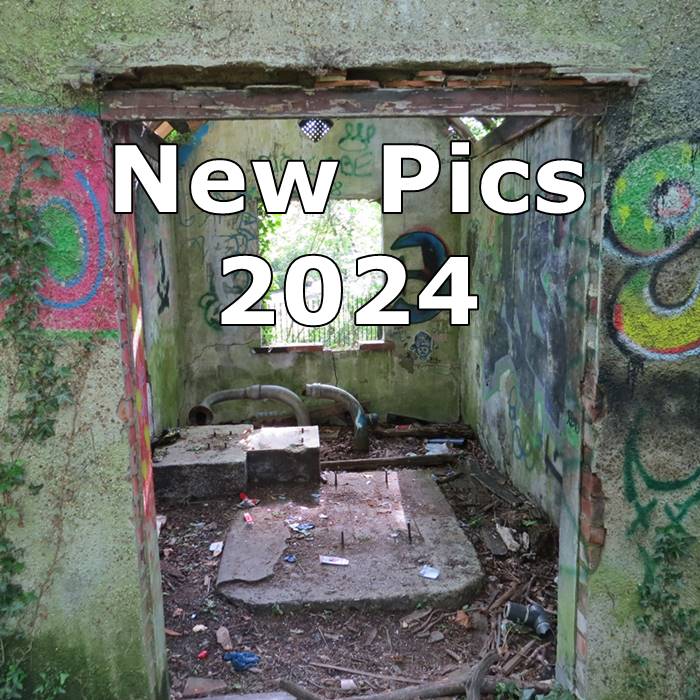
CLICK ON A SUBJECT ICON BELOW TO SEE THE LATEST DERELICT LONDON PHOTO GALLERIES:
The 21 Years of Derelict London page is a good start for newcomers
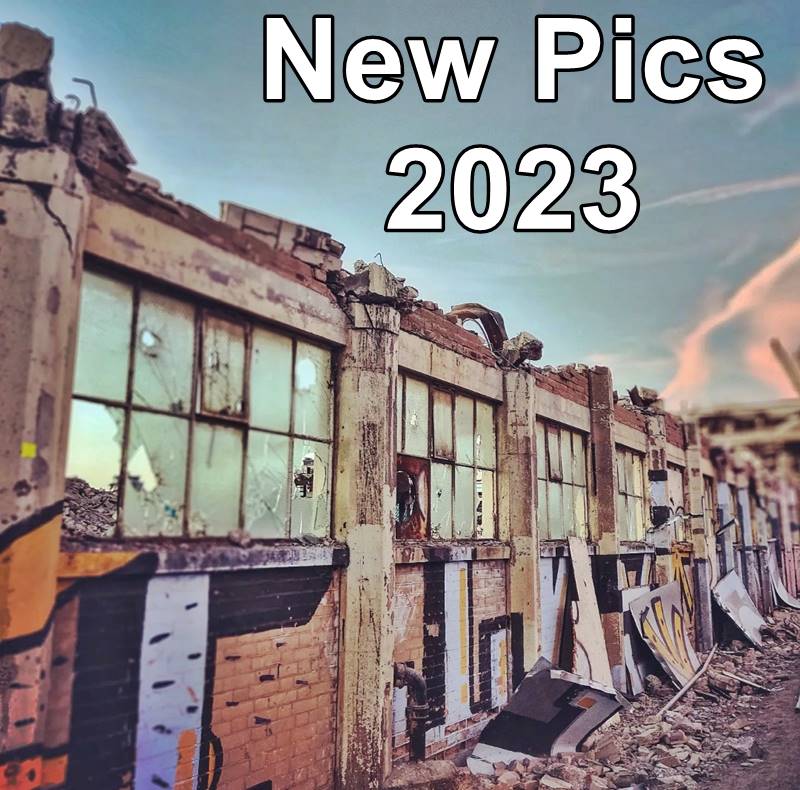
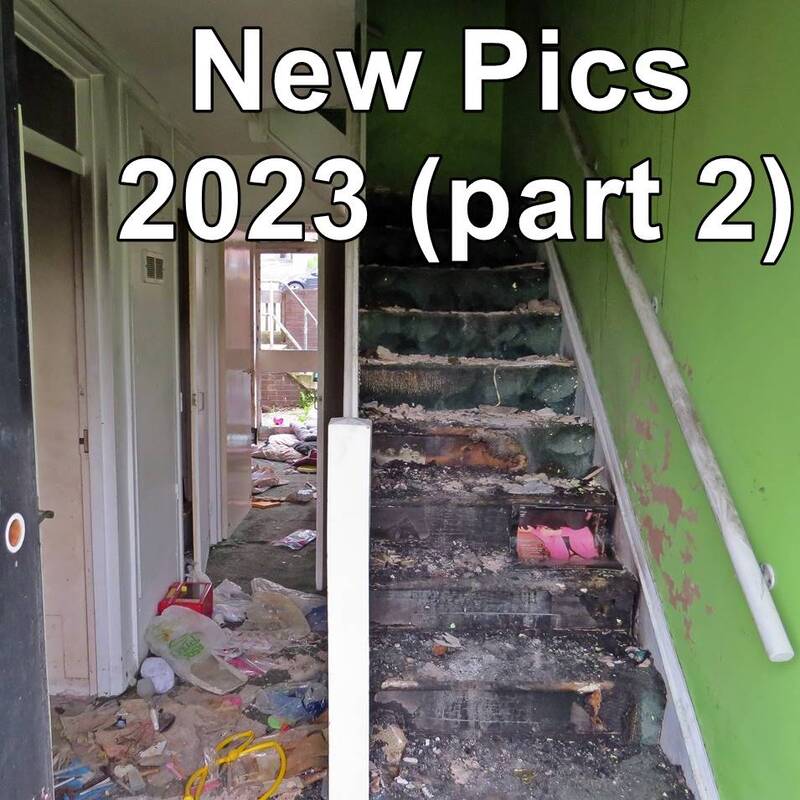
CLICK ON A SUBJECT ICON BELOW TO SEE THE DERELICT LONDON PHOTO GALLERIES:
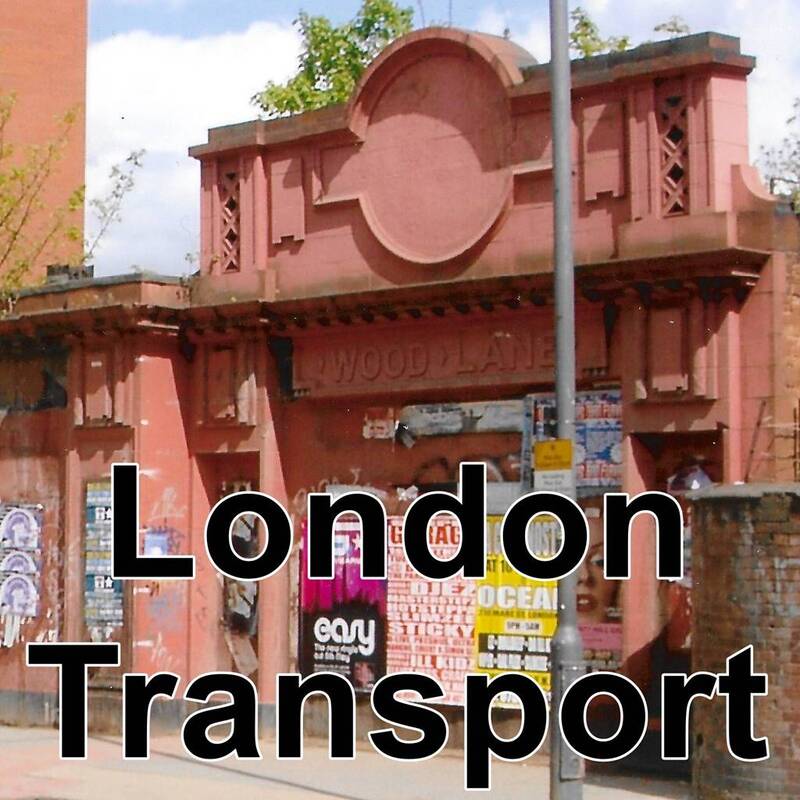
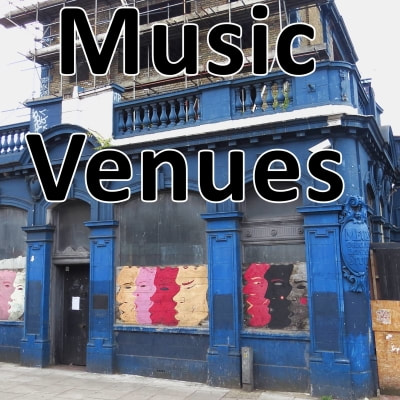
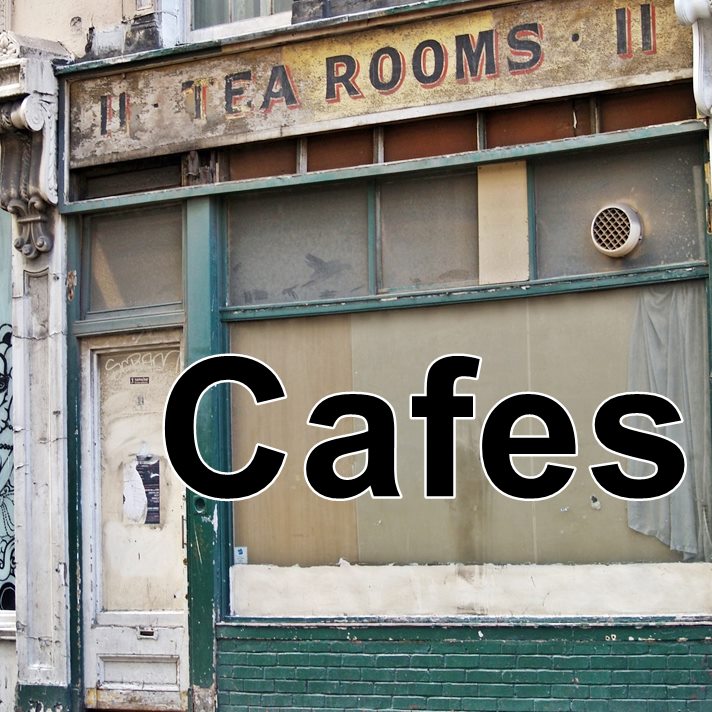
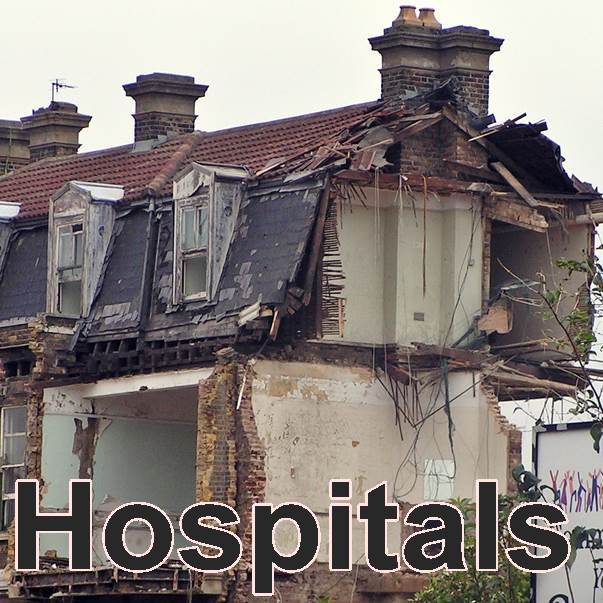
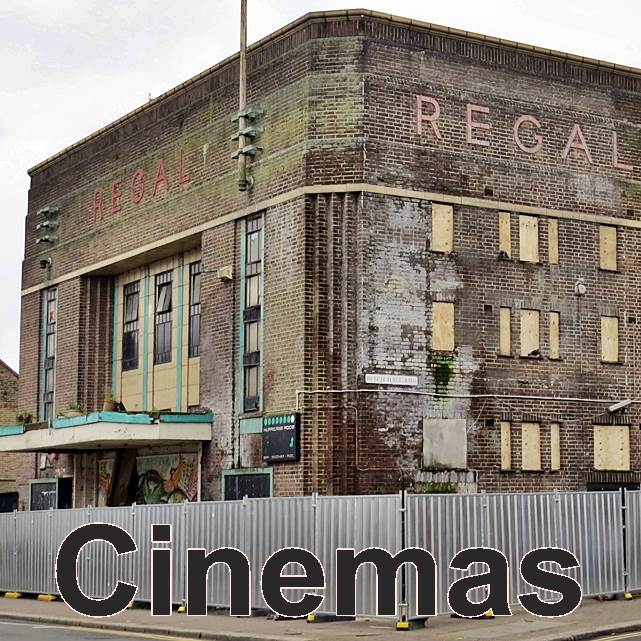

























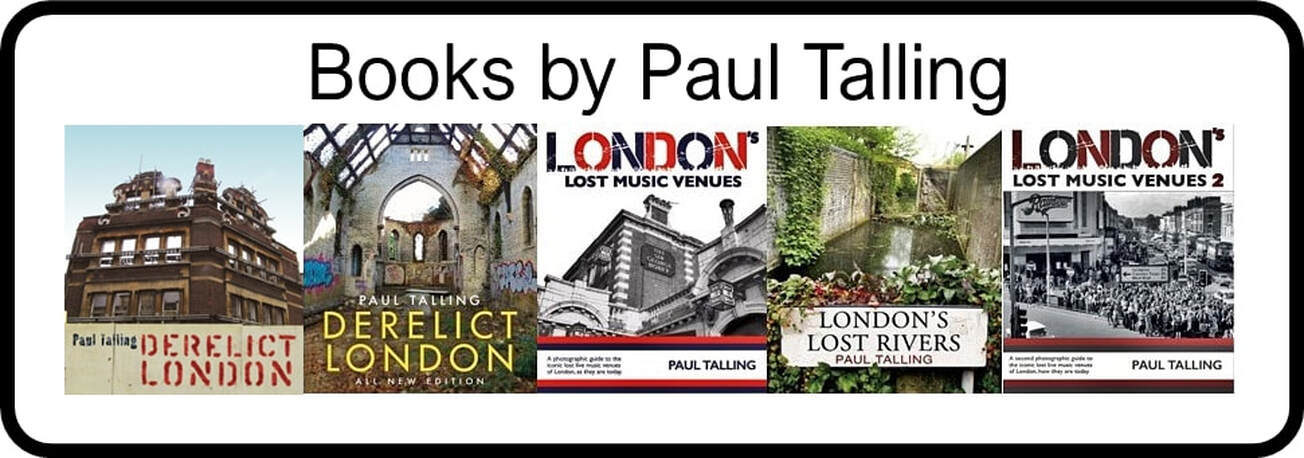
"Although it has quainter pleasures, much of the appeal of Paul Talling's excellent little book Derelict London is in how it seems to trace the skeleton of a dead city while it is still in apparently rude health.In a city so devoted to making fast money, and busily fighting a one-way class war under the rubric of "regeneration", sweeping undesirables and their buildings away to the outskirts, it is almost comforting that relics and ruins still cling on to its landscape, throwing workaday time into a spin. As much as it is an inadvertent vision of how London might look after a catastrophe, Derelict London is valuable as a document of the one going on right in front of us."
THE NEW STATESMAN
THE NEW STATESMAN

Homeschooling Online at Northgate Academy