|
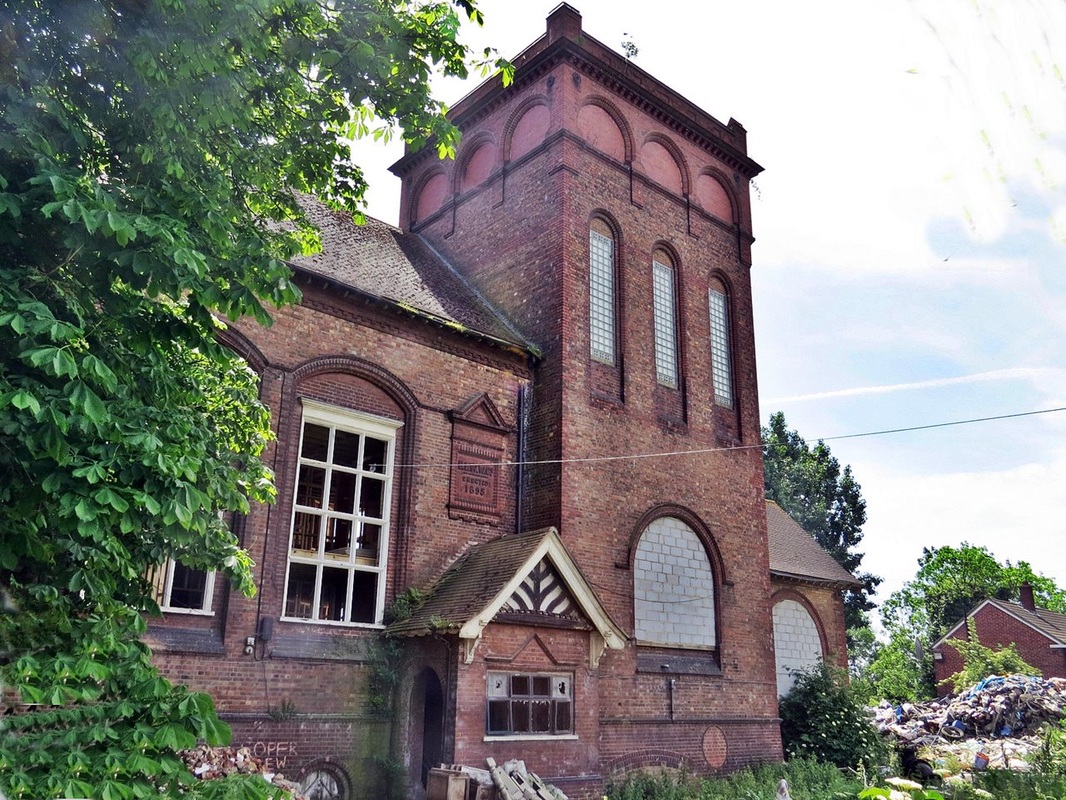
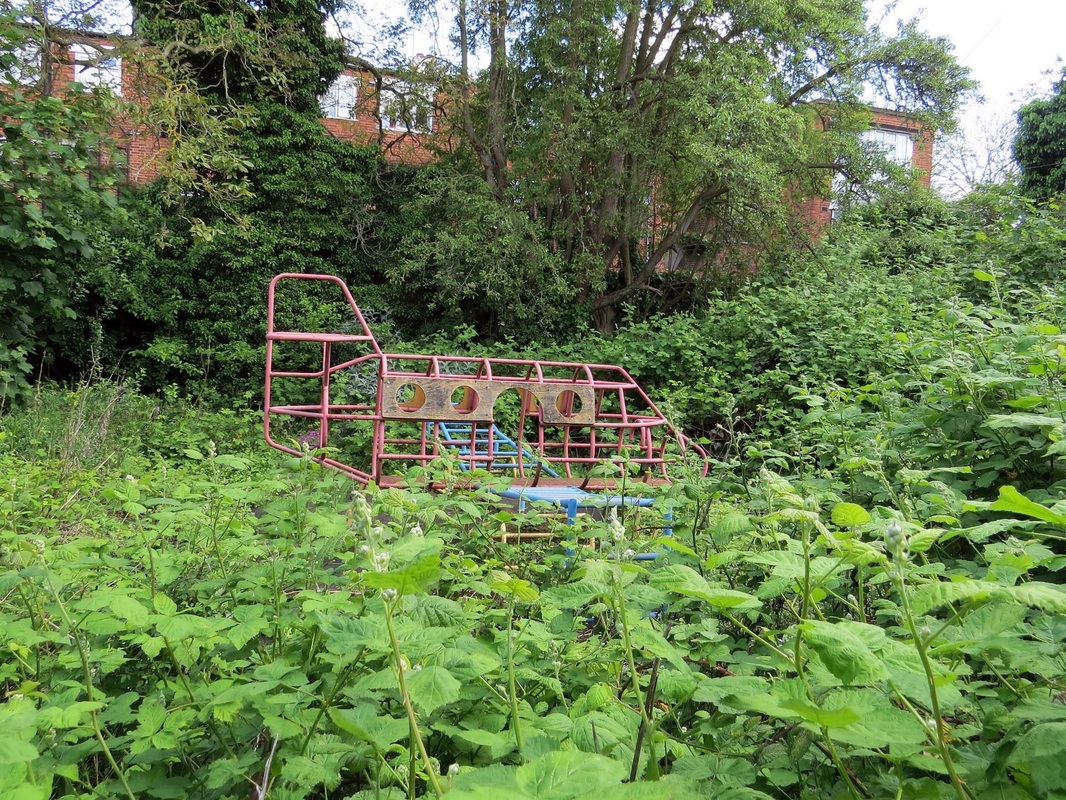
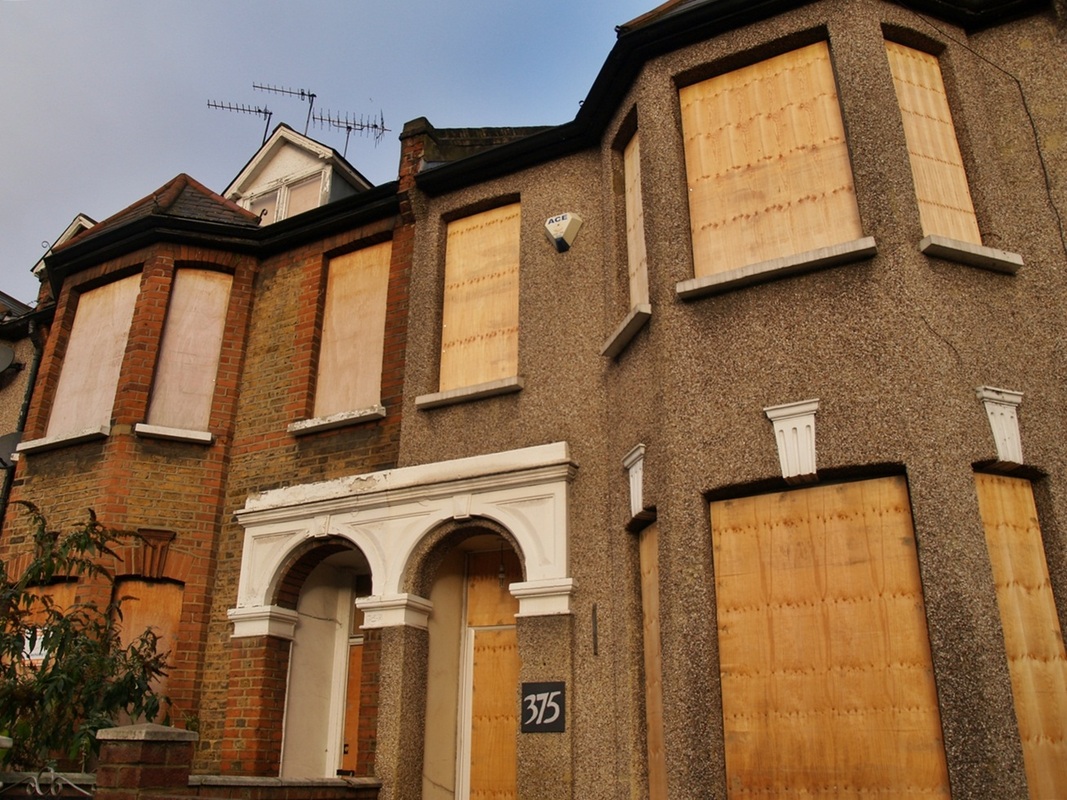
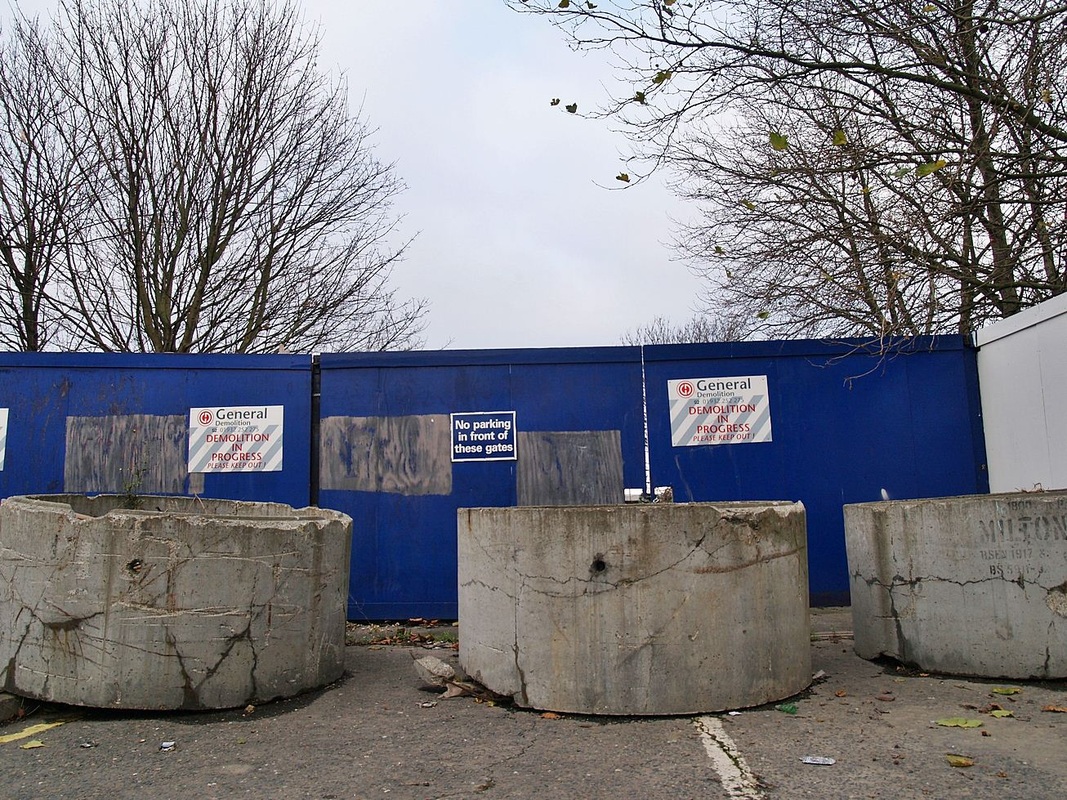
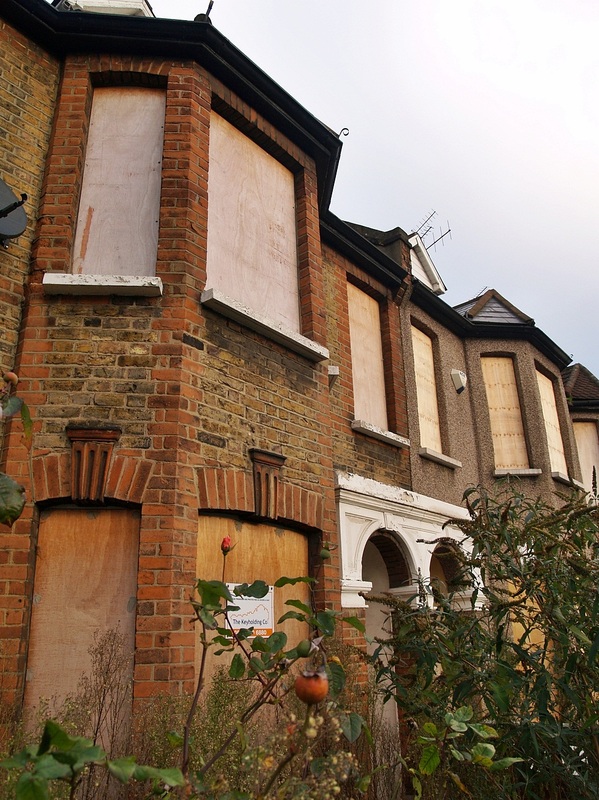
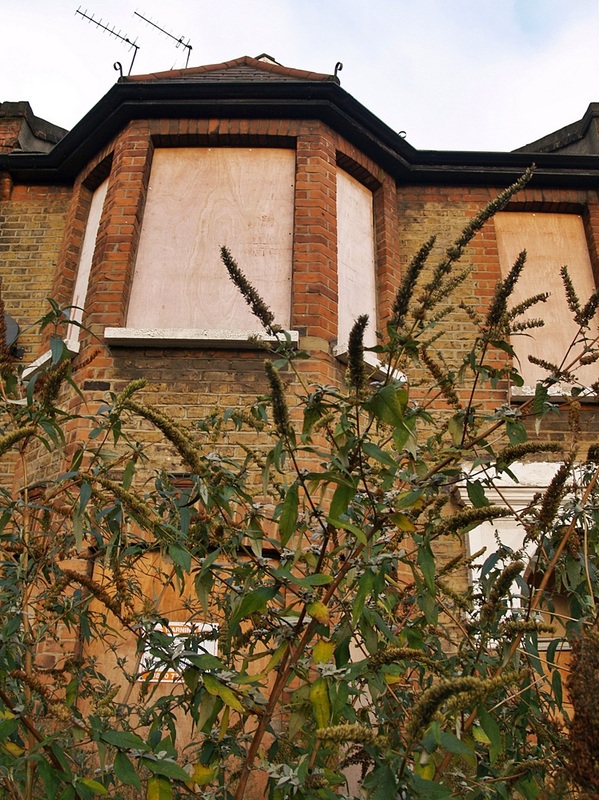
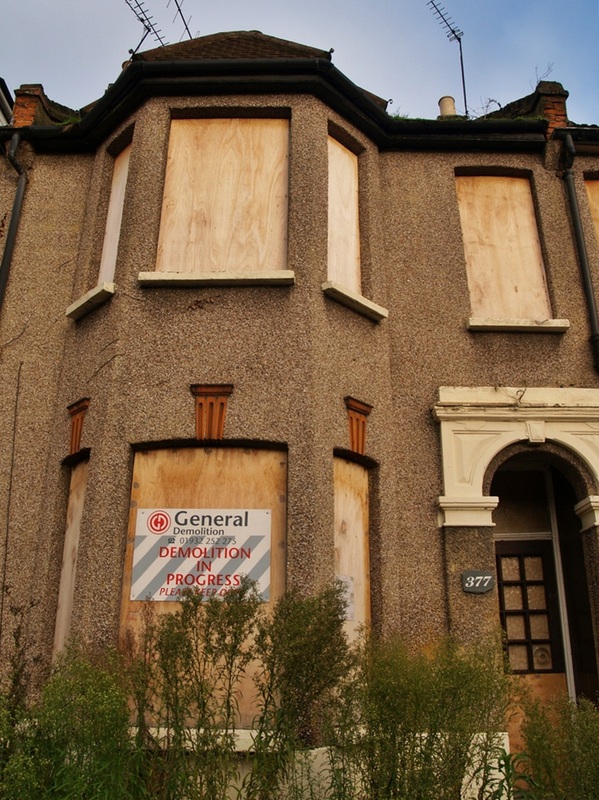
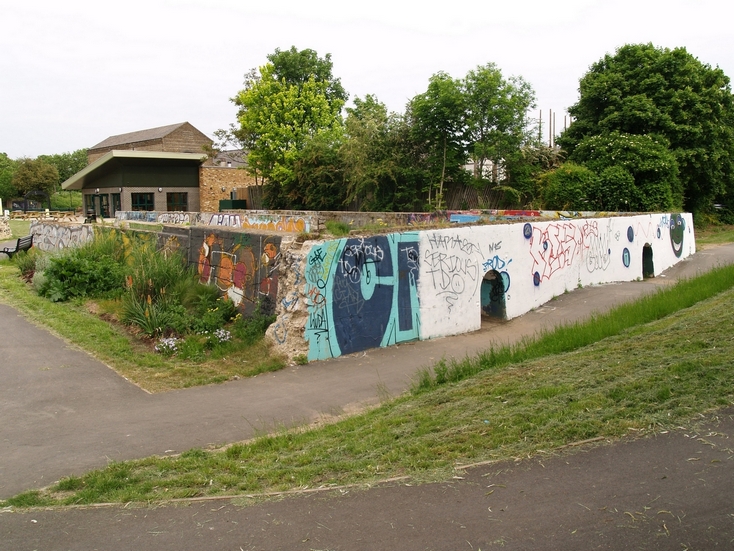
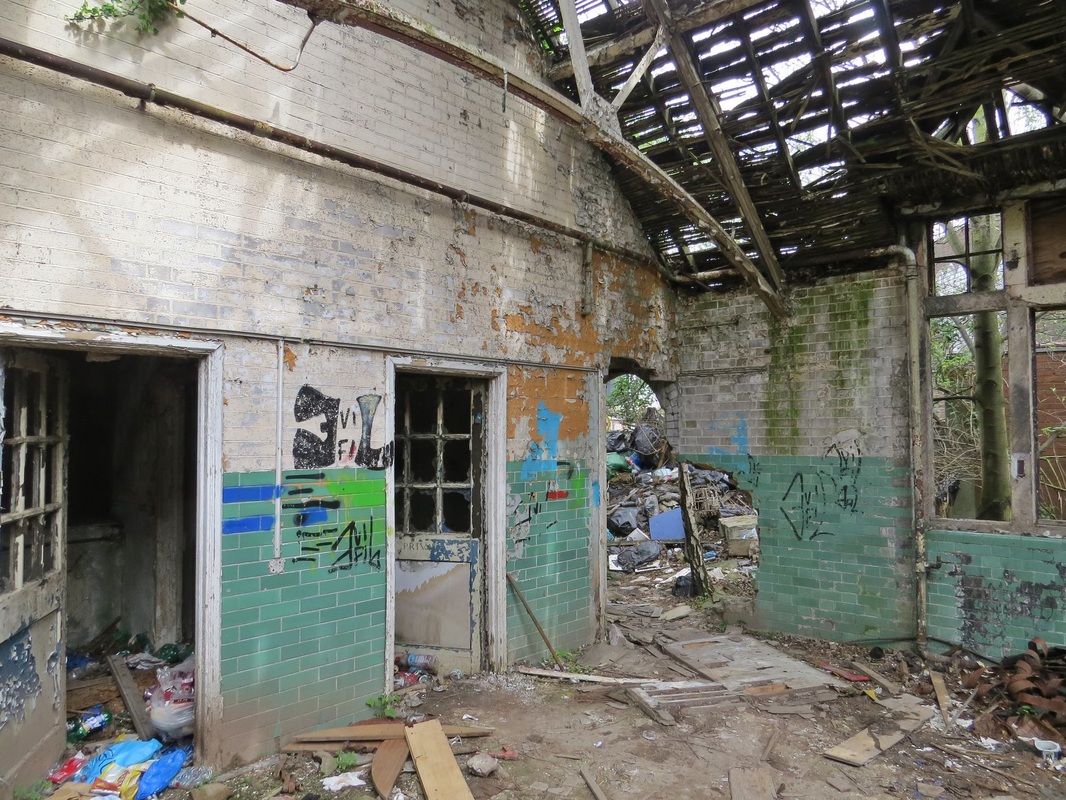
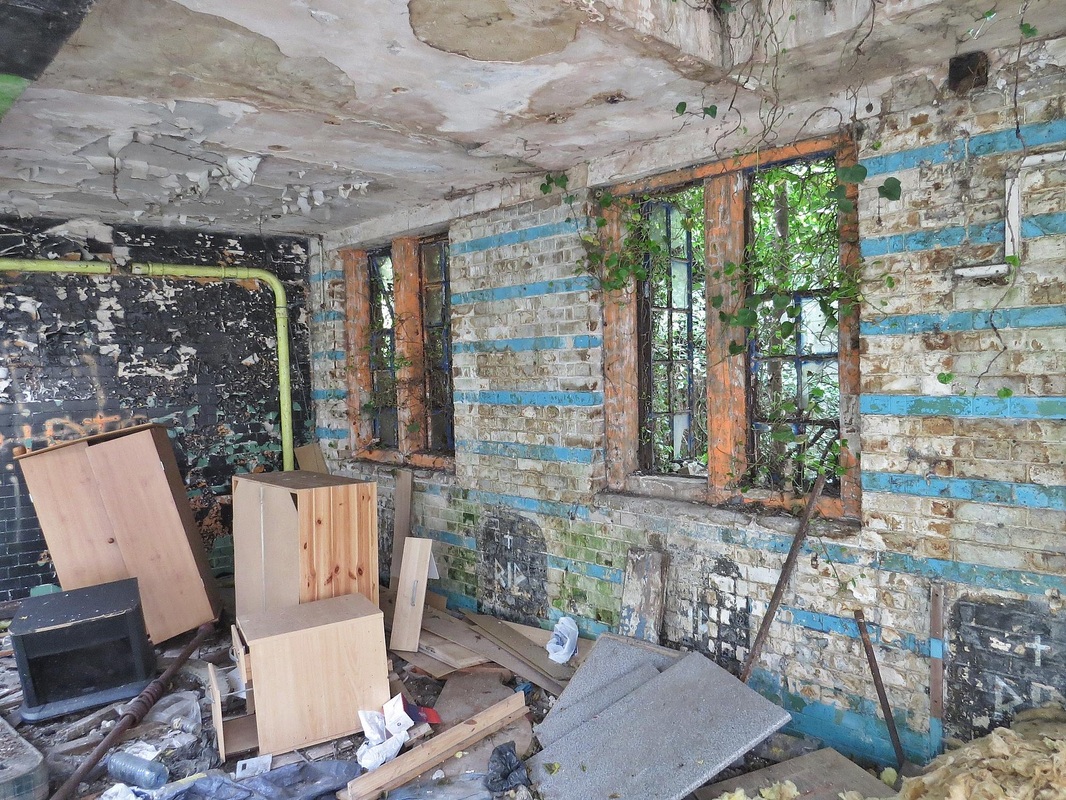
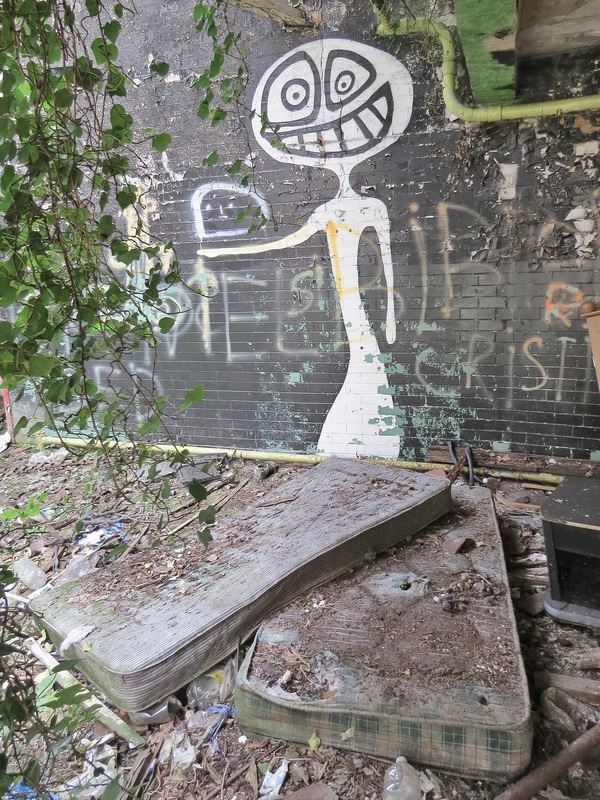
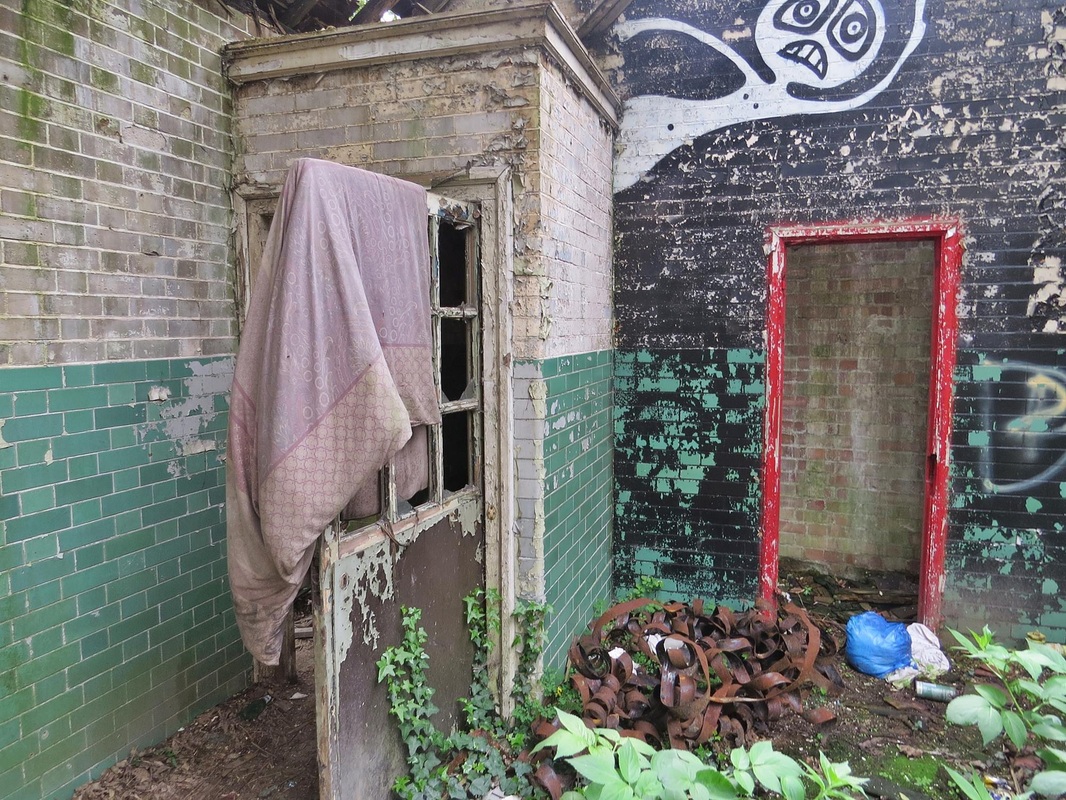
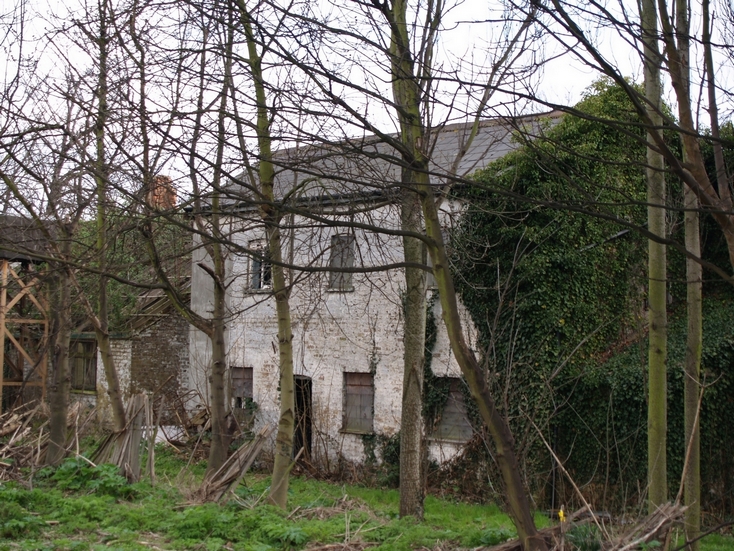
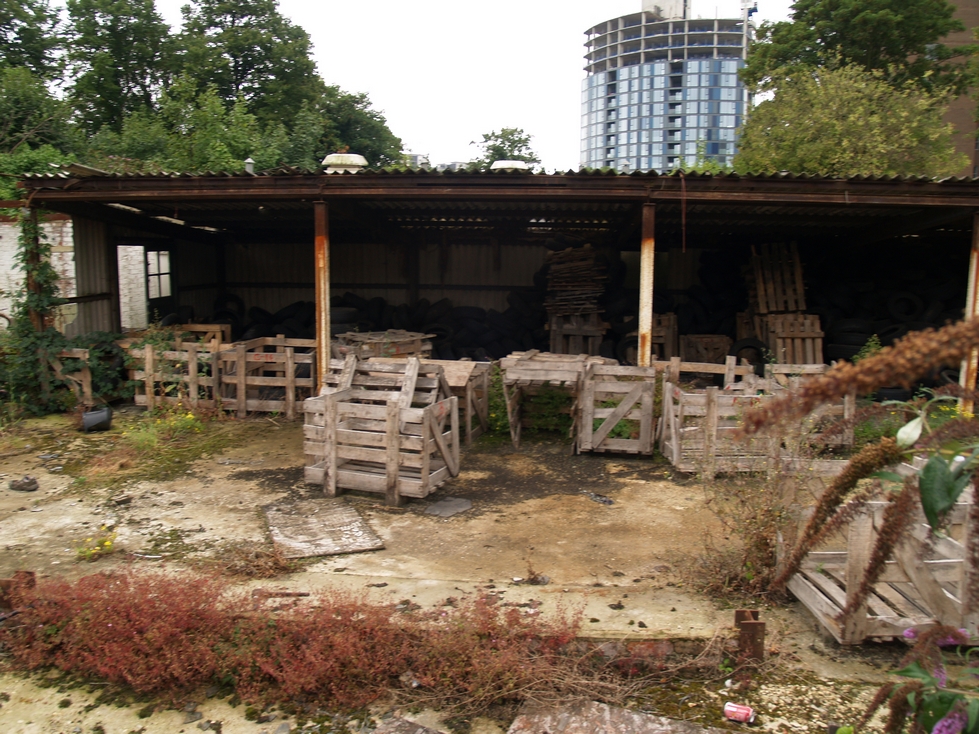
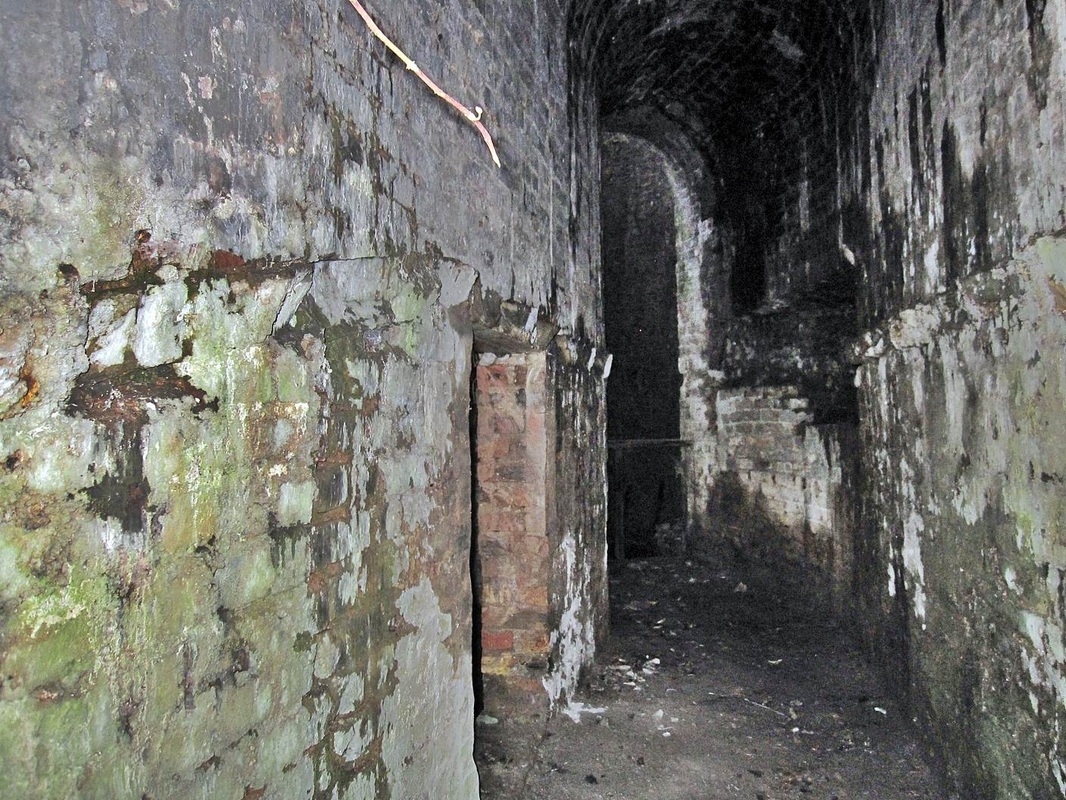
Various Derelict London Buildings that I have come across during endless long walks around the capital:
MAJOR REVAMP of this Derelict London website is being written offline using new software which will include lots of new content and photo galleries
along with easier to view galleries of the old content but its all taking months for me to write and uploading of this will not be until at least Easter 2012.
A few new pics will be added to the Derelict London Facebook page in the meantime as I go along.
|
DALSTON
|
ANGEL
|
DALSTON
|
|
CAMDEN TOWN
|
SPITALFIELDS
|
BELVEDERE
|
|
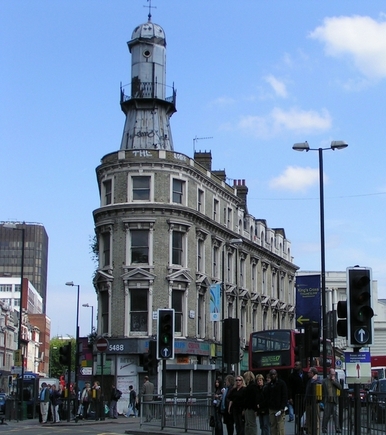
ALDGATE
|
DEPTFORD
|
BERMONDSEY
|
|
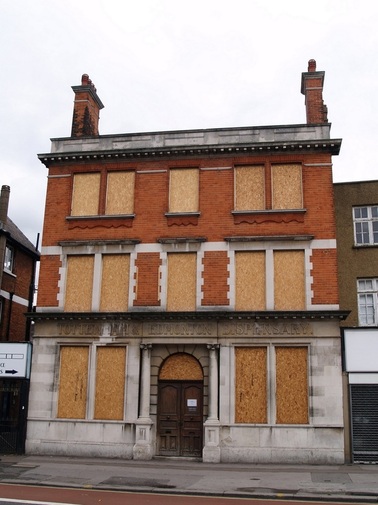
CAMBRIDGE HEATH
|
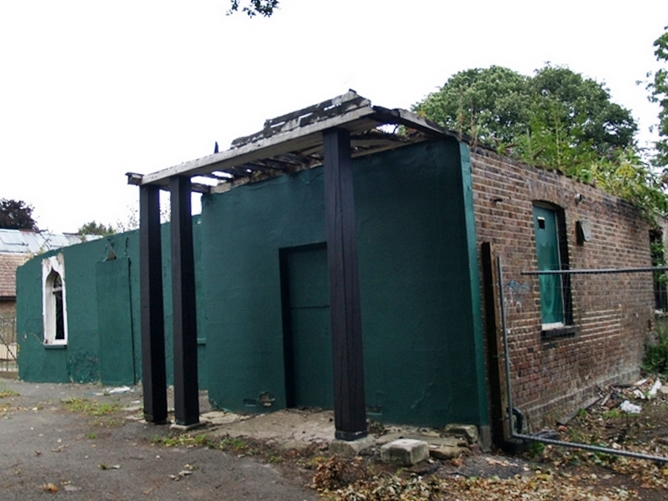
BRENTFORD
|
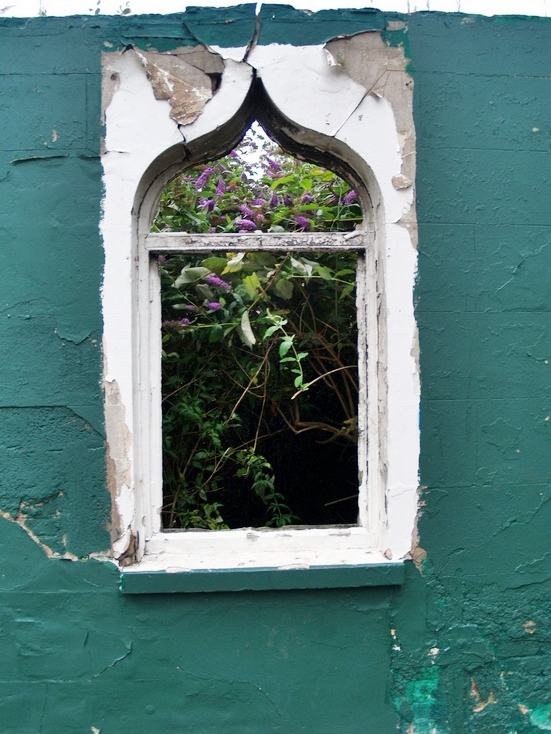
CAMBRIDGE HEATH
|
|
BOROUGH
|
CAMDEN TOWN
|
CATFORD
|
|
SHOREDITCH
|
DAGENHAM
|
HOMMERTON
|
|
ALDGATE
|
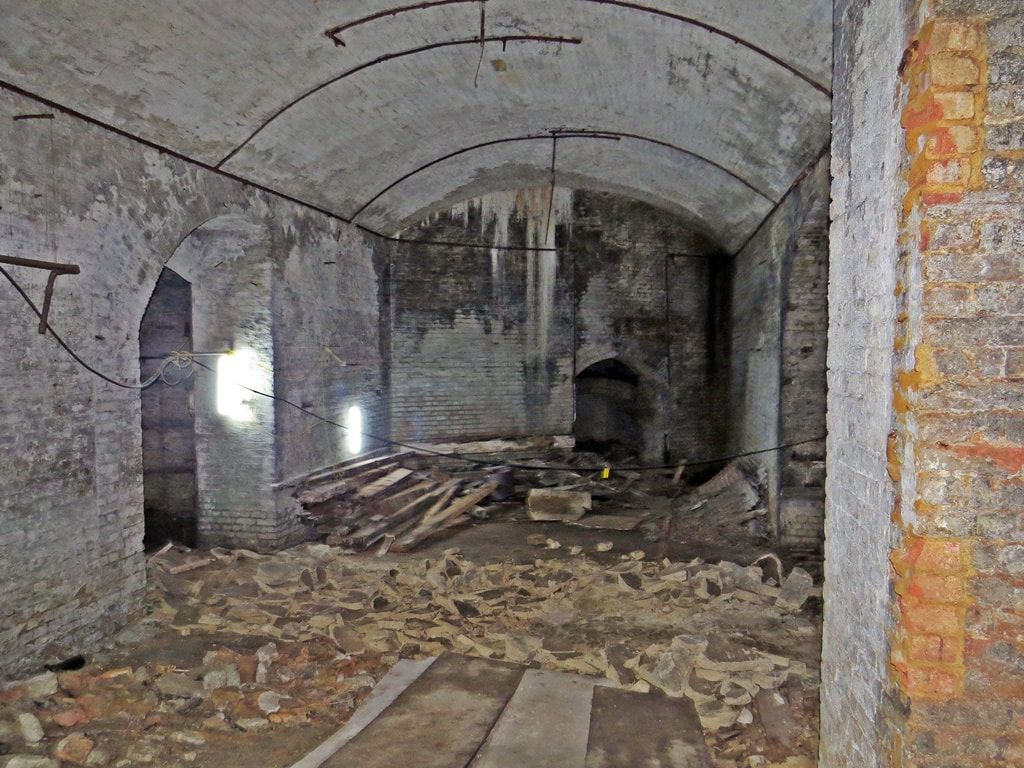
HOLLOWAY
|
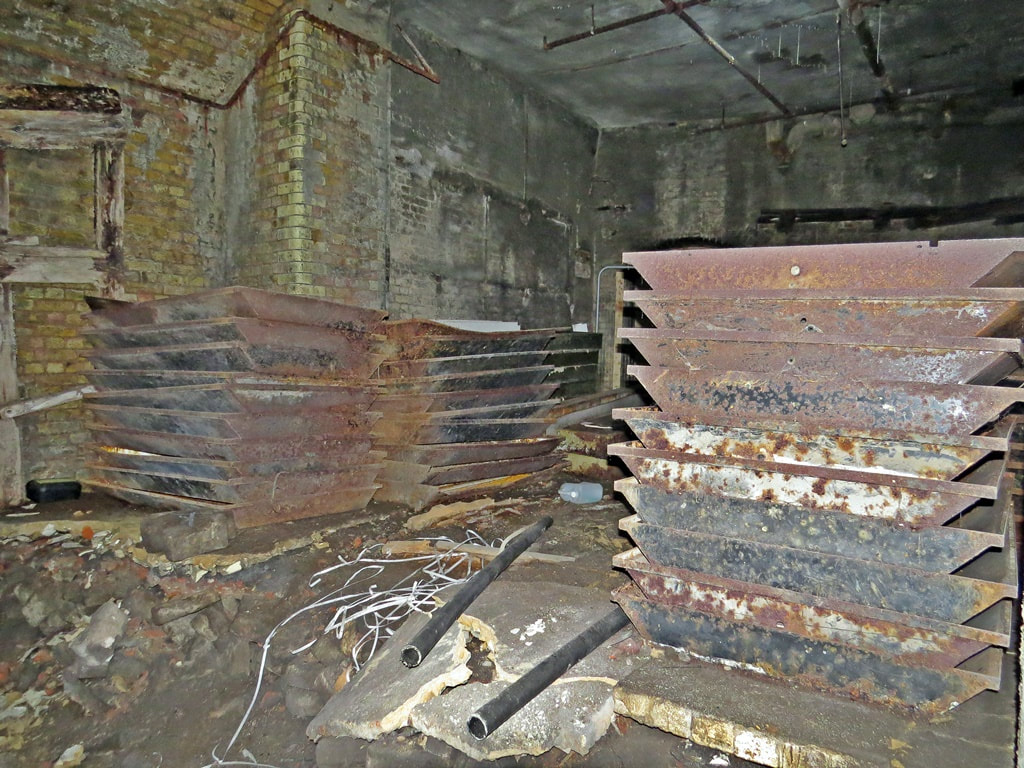
HOXTON
|
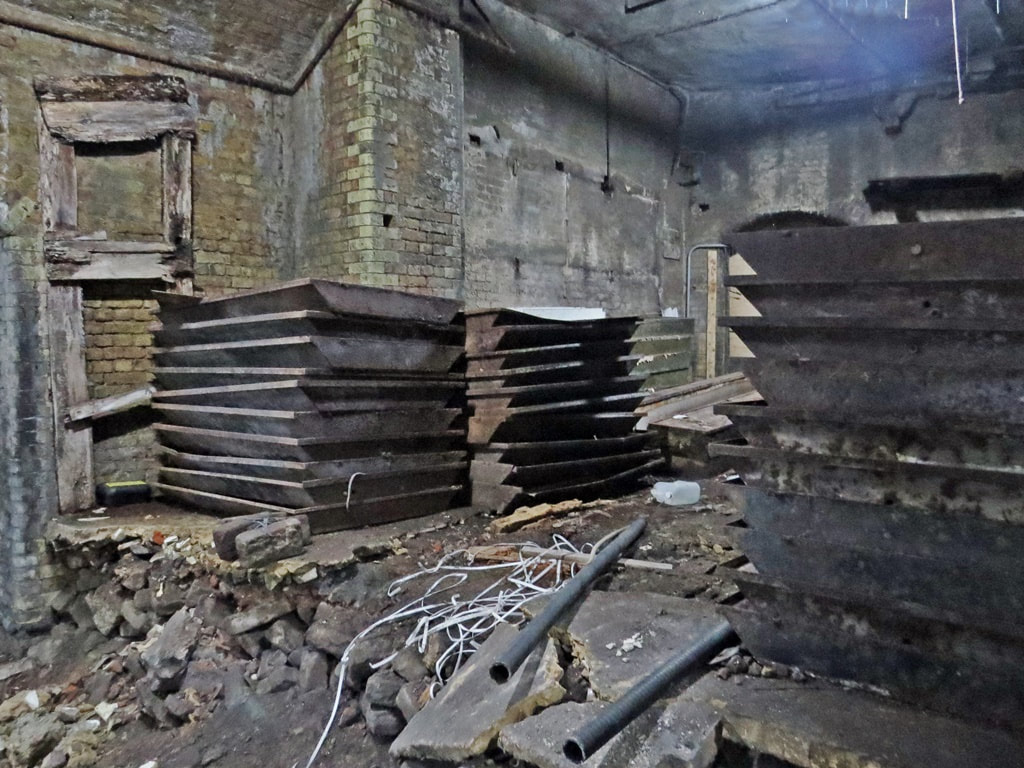
|
HORNSEY
|
SHOREDITCH
|
NORTON FOLGATE
|
ELEPHANT & CASTLE - CHURCHYARD ROW
Recently demolished (see Then and Now Section for up to date picture)
COLLIER ROW - THE OAKS CHURCH OF ENGLAND JUNIOR SCHOOL
The Oaks Church of England junior school was formerly called the Hainault Forest school. It was built in 1847–8 with the aid of public subscriptions and a government grantand was enlarged in 1913–14. It was reorganized for juniors and infants in 1936, and for juniors only in 1957.Closed down and the future is uncertain for this building. An application to demolish it and build a care home was recently rejected by the council.
SPITALFIELDS E1 - FASHION STREET
Note the shoes hanging from the cables. A number of sinister explanations have been proposed as to why this is done. Some say that shoes
hanging from the wires advertise a local crack house where crack cocaine is used and sold . It can also relate to a place where Heroin is sold to symbolize the fact that once you take Heroin you can never 'leave': a reference to the addictive nature of the drug. Others claim that the shoes so thrown commemorate a gang-related murder, or the death of a gang member, or as a way of marking gang turf.
TOTTENHAM N17 - TOTTENHAM AND EDMONTON DISPENSARY
This dispensary was opened in 1864 to provide the poor with medical advice and medicine. It was run by a committee, chaired by the local vicar. The services provided were free at first, but a small weekly charge for membership was later introduced, to supplement collections made at local churches.In 1910 the trustees were authorized to rebuild the premises, which remained in use in 1938, although the membership had declined greatly by then.
The building is now listed, not only because of its history but also in recognition of its fine, stone ground-floor entrance, which is flanked by attractive Doric pillars. Though safely boarded-up and apparently in good condition when viewed from outside, the future of this building is uncertain.
SILVERTOWN E16 - TATE INSTITUTE
The Tate Institute was founded by Sir Henry Tate in 1887 for workers in his nearby sugar factory, to serve as a non-sectarian and apolitical meeting-place. It had a large hall and several meeting-rooms, a reading room, a billiard room and nine bathrooms. Sir William Tate donated £1500 to renovate the Institute in 1904, adding another £1200 to endow it two years later. The Institute was closed in 1933 and the building was sold. The top floor served as the Silvertown Library from 1938 to 1961, while the ground floor was used for social events for Tate & Lyle employees at the factory opposite.
The factory is still open but the Institute is boarded up and its future uncertain.
BROMLEY BY BOW
KENSINGTON - COMMONWEALTH INSTITUTE
Sanctioned by an act of parliament in 1958 after the demolition of the Imperial Institute on Exhibition Row, the Commonwealth Institute was opened on this new site in 1962.With its dramatic triangulated curved sheet-copper roof, it reflected post-colonial thinking of the 1960’s with a brief to be educational, user-friendly, informal and flexible.It conveyed the idea of the unity and diversity of the modern Commonwealth and pioneered the concept, established at the Festival of Britain, of closely relating architectural form and display. The exhibitions could be viewed from a circular platform overlooking the entire space.
During a period of nearly 40 years the Institute played host to royalty and statesmen from across the globe and giving several generations of schoolchildren their first glimpse of the wider world through a kaleidoscope of exhibitions and educational programmes supported by an impressive library. I came here on a school trip
in the 1970's and remember the teacher pointing out the flagpoles at the front of the building displaying a flag for each of the British Commonwealth countries.Now the poles remain albeit flagless.
Despite a recent £3 million refurbishment, the Institute is now empty after closing in 2002. An alternative use is being sought.
SOHO W1 - REGENTS PALACE HOTEL
The Regent Palace closed on the 31st of December 2006 having first opened in 1915. During the First World War, a considerable part of the hotel was requisitioned by the British Government and during the Second World War, 2 separate bombs caused minor damage.One of these bombs hit the staff Annexe This staff annexe building also contained a complete laundry service for all of the Strand hotels in London. In the 1960’s, the hotel developed a less than favourable reputation as a place of ill repute - a meeting point for ladies of the night to ply their trade.
I found this review on the net by an unhappy guest at the hotel: "Abysmal. Bedbugs in most beds, filthy rooms with stains all over the walls, disgusting shower and toilet facilities and very worn and dated decor. Staff were nice enough, manager couldn't care less because he said the hotel was being closed this December. I am still itching at the thought of my stay. Our party had to check out after the first night because most people had bites. I had to show the manager the bodies of the 10 bedbugs I found (whilst just glancing at the top blanket) before he would believe me and give me a refund. Revolting."
HOUNSLOW - GRENADA HOTEL
This old budget guesthouse/hotel is proposed for demolition and plans have been submitted to build a new four to eight-storey building, to provide a 122-bedroom hotel (Travelodge) & 73 flats.
LEYTON - ELECTRICTY SUB STATION (Left) & WALTHAMSTOW - CHRISTIAN LIFE CENTRE (Right)
LEAMOUTH
These buildings were visible in the background in a fight scene between West Ham & Millwall firms in the cult football film "Green Street"
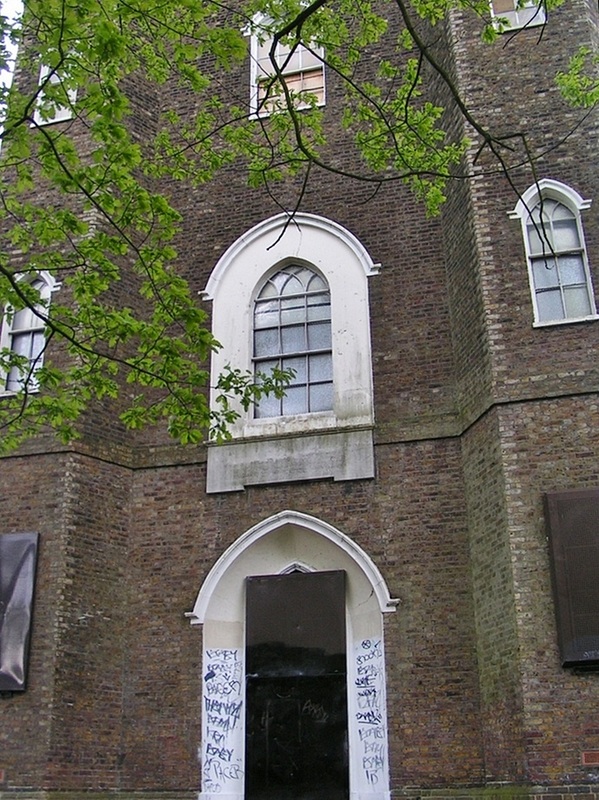
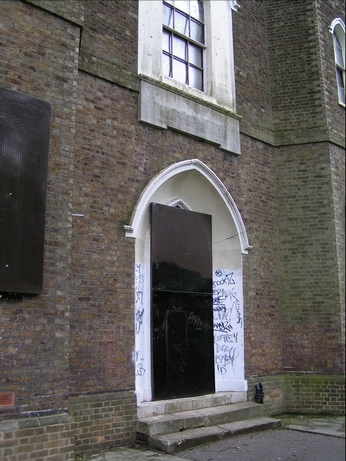
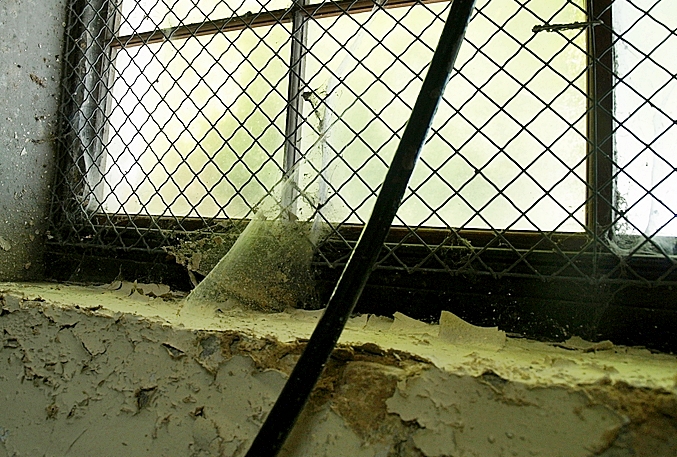
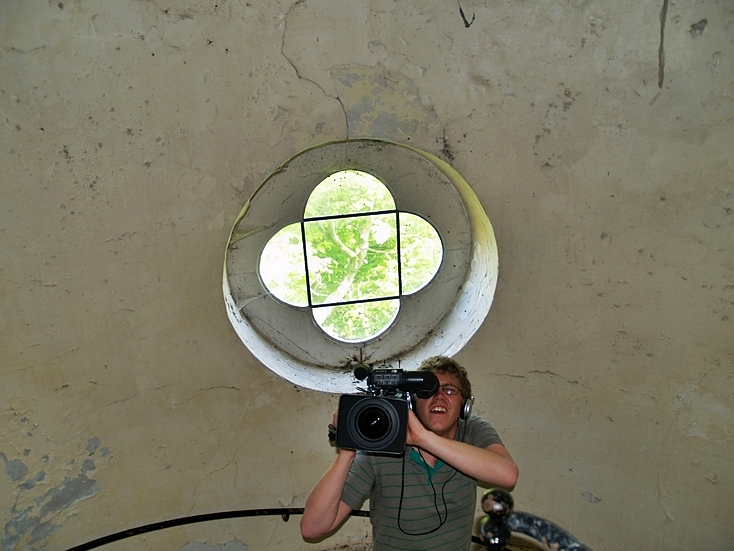
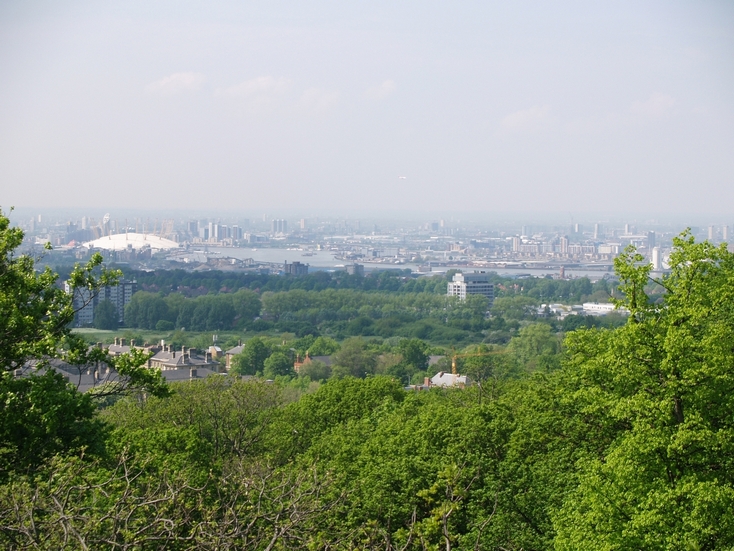
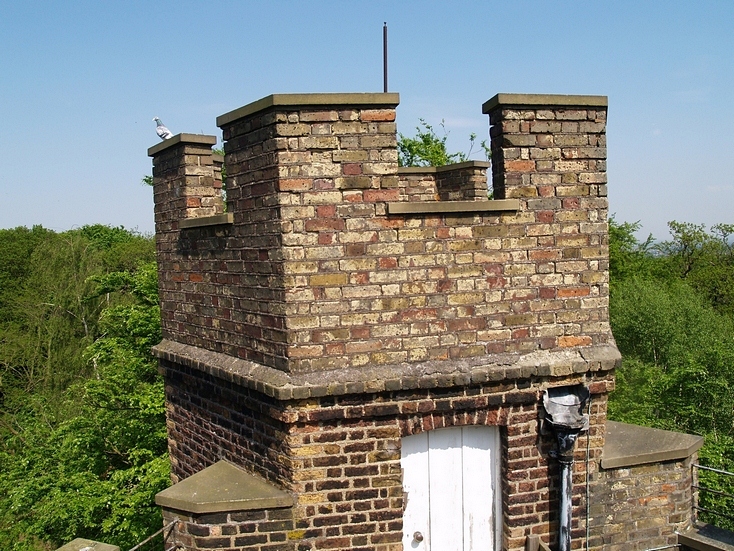
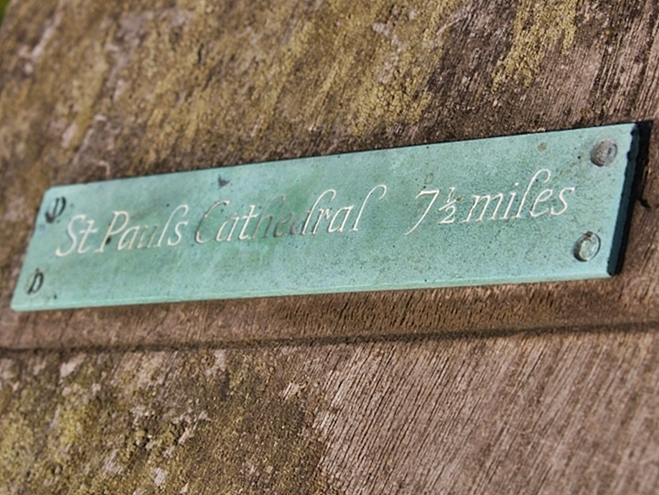
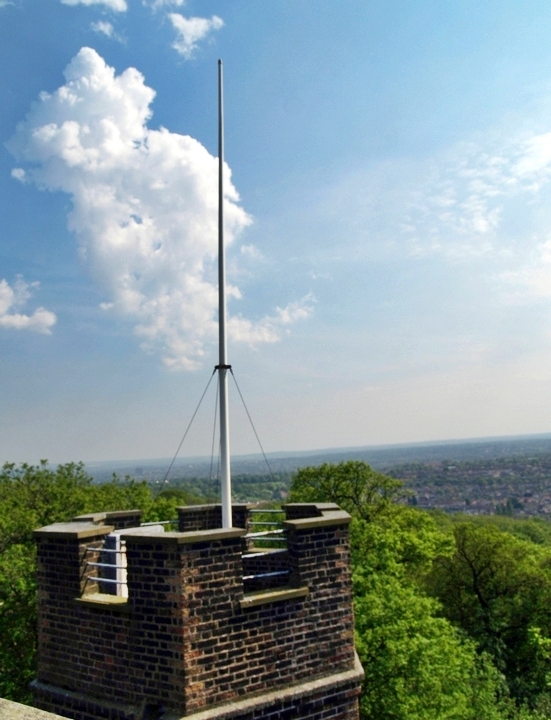
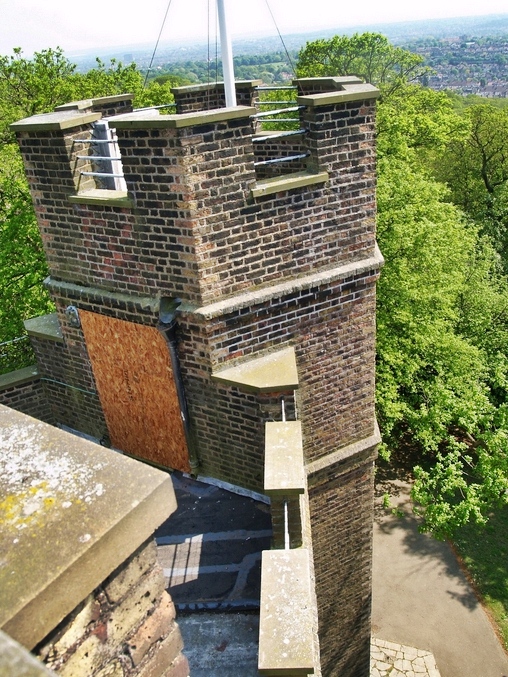
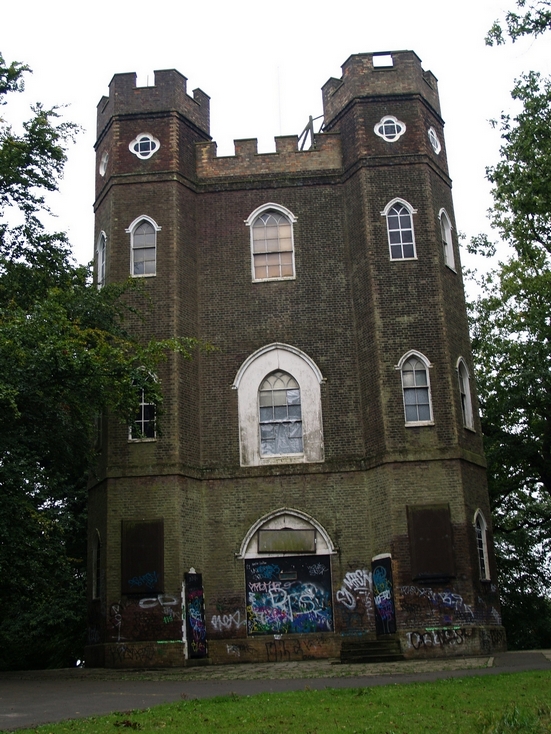
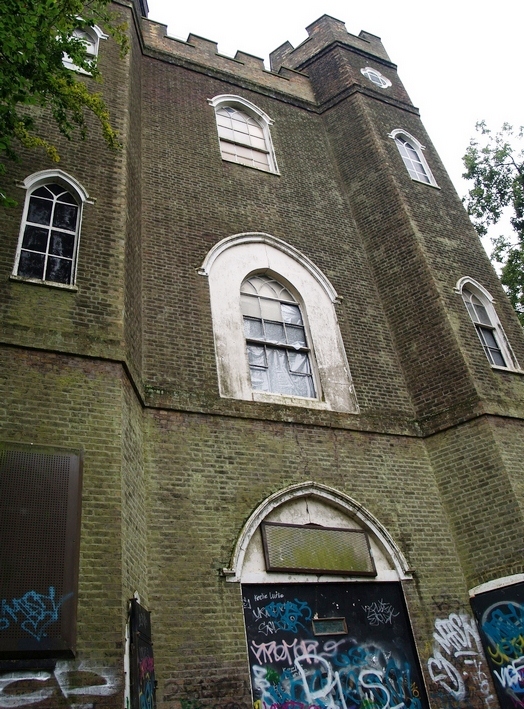
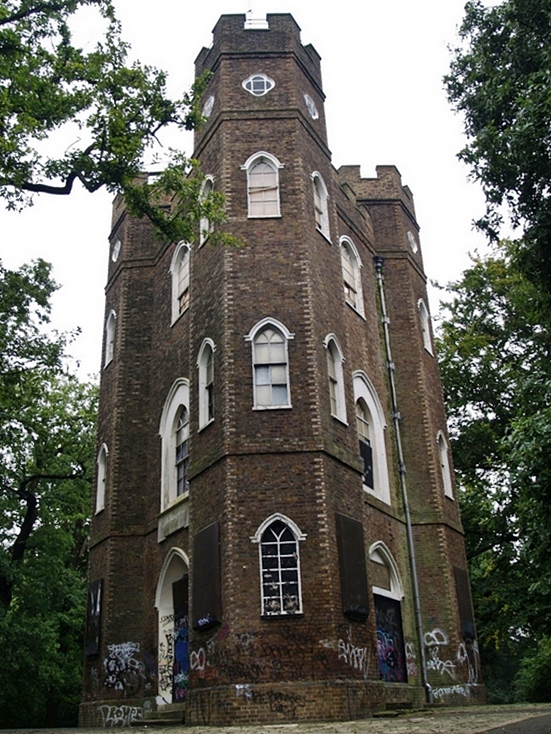
SHOOTERS HILL SE18 - SEVERNDROOG CASTLE
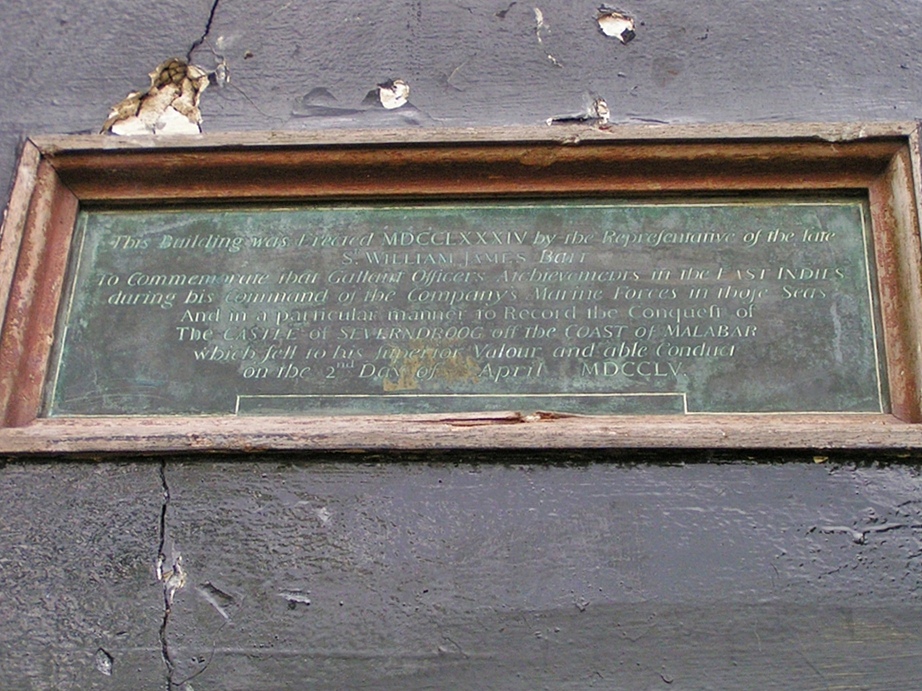
This triangular-shaped 60-foot tall castle is the focal point of what was formerly a popular recreation area. It was built in 1784 by Lady James of Eltham as a memorial to her husband, Sir William James, and named after his most famous exploit when, in 1755, he destroyed the fleet and stronghold of pirates at Severndroog Island on the Malabar coast of India.
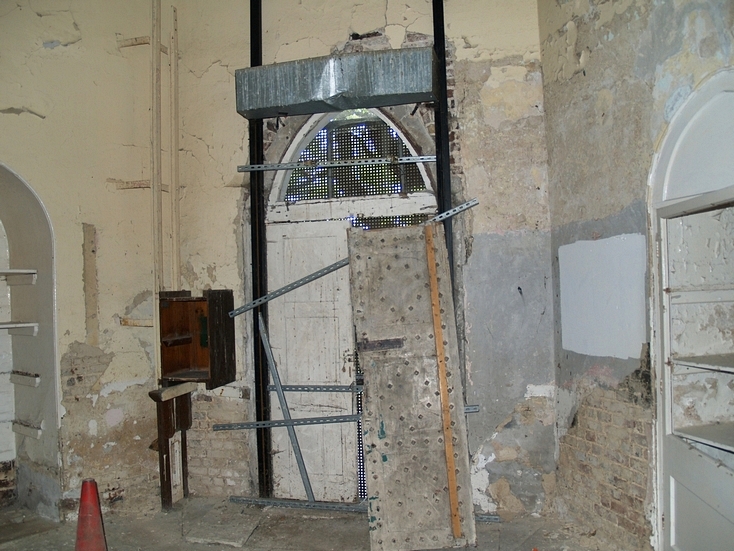
In 1922 Severndroog Castle and the surrounding woodland was bought by the London County Council to form a recreational area for Londoners. A small teashop on the ground floor of the castle proved enormously popular in the postwar years. Greenwich Council then took over ownership, but decided that it did not have the resources to maintain the building. Castle and tea-shop closed and were boarded up in 1988. Since then the building has been subject to vandalism and decay. A proposal to lease the castle to a property developer, who intended to convert it into offices, was met with furious opposition from campaigners. The Severndroog Castle Building Preservation Trust has since beeen created to restore the building and open it to the public. The SCBPT has been working with the local community to secure funding to restore Severndroog Castle. The Trust aims once again to ensure full public access to Severndroog and is working with architects to design a multifunctional, secure building with a viable future at the heart of the community. Future uses under SCBPT management could include; hire for weddings, receptions and meetings, a woodland interpretation centre, an exhibition on the history of the castle, a franchised café/tearoom, and a viewing platform for the magnificent views over London.
People passing by a certain spot on Shooters Hill in the 1830’s reported hearing strange sounds and also occasionally seeing the figure of a woman dressed in white, who was seen gliding around the area. Although the reports were numerous they were not believed at the time. However, in January, 1844, a labourer working in the allegedly haunted area unearthed a skeleton and it was thought that from the terrible fracture to her skull that she had been the victim of foul play. She had obviously not been dead for very long because there was still a large amount of braided hair attached to her skull. There was no means of identifying the skeleton and the remains were buried in the local churchyard. It was in 1881 that there was thought to be a connection between the White Lady and the Old Bull Hotel, which stood not far from the site of the hauntings. When the Bull was being demolished an old pistol was found in the cellars and it is thought that the damage to the White Lady’s skull was caused by the butt of the pistol. People passing by the haunted spot can still hear the poor woman’s last cries for help as she was viciously attacked and left to die.


SYDENHAM - CRYSTAL PALACE
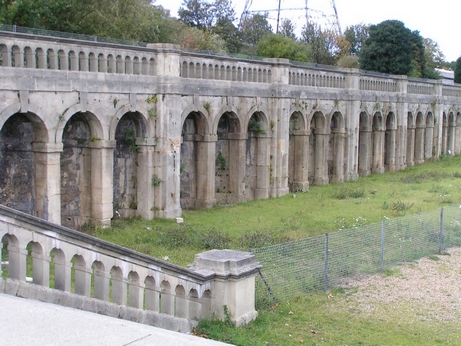
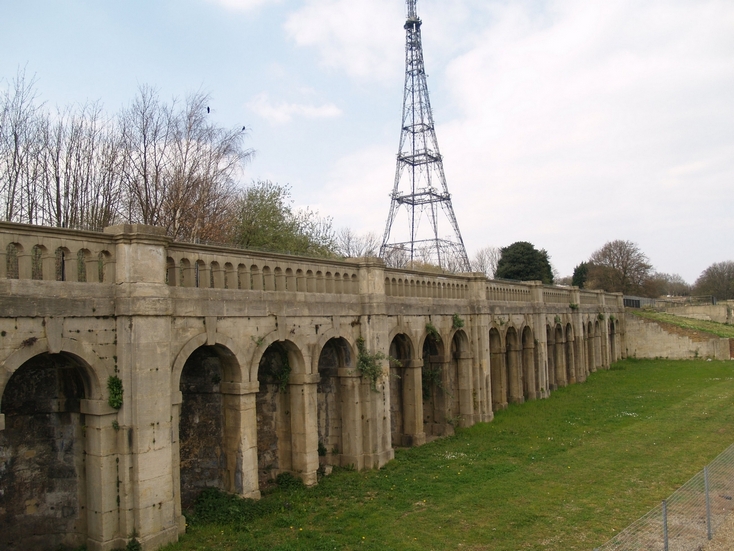
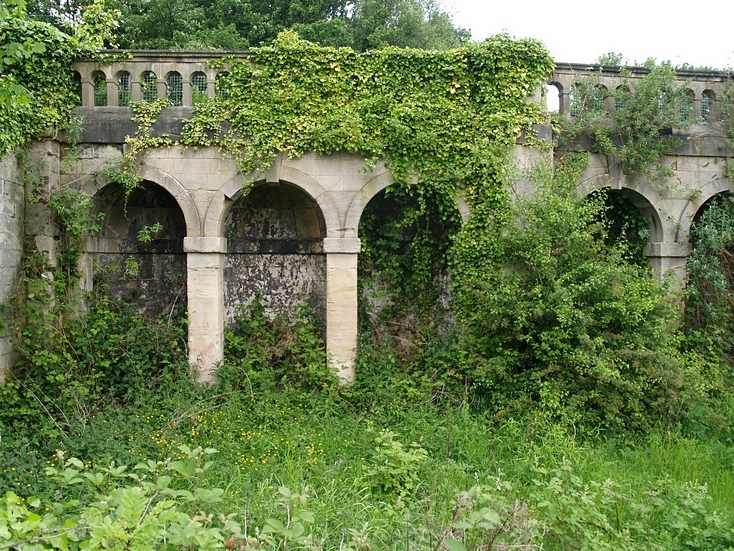
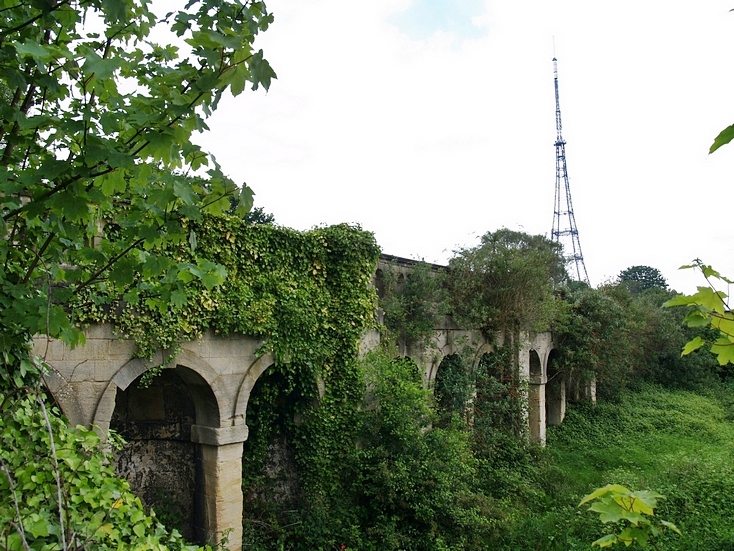
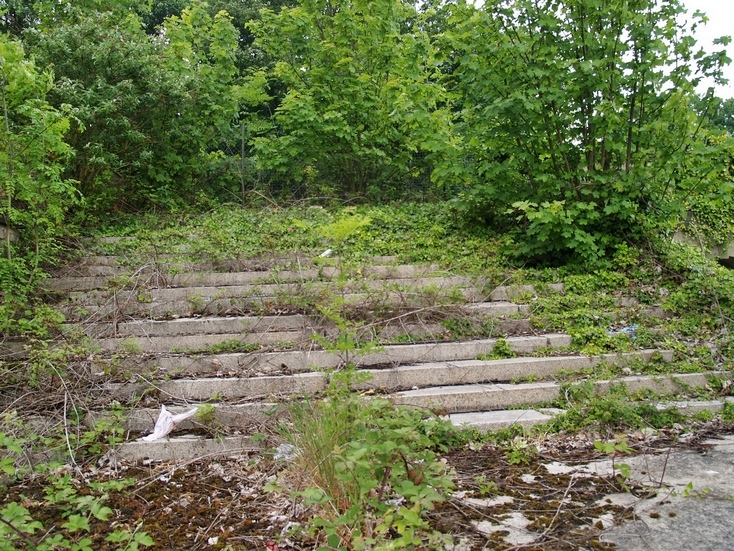
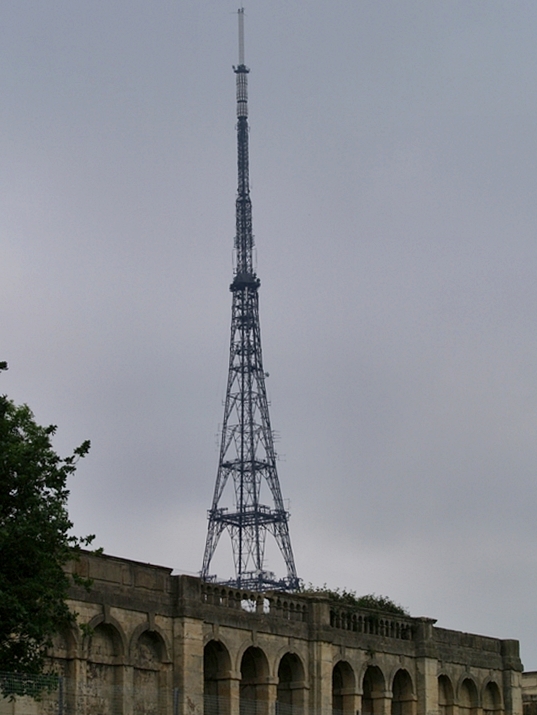
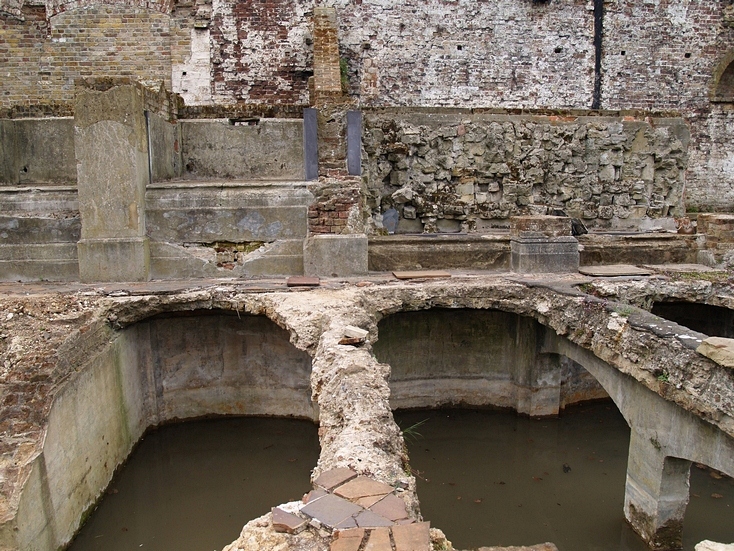
The terraces, stairs and the long colonnade marked the front of the palace & were surrounded by gardens, fountains and statues.
The Crystal Palace had been the centrepiece of the Great Exhibition of 1851 in Hyde Park: an international wonder and a triumph of technology and the ingenuity of its designer, Joseph Paxton. The Palace’s relocation from Hyde Park made this SE London’s major cultural and entertainment centre.This sparked a flurry of development, with new transport connections, jobs, housing and churches. The vast new Palace dominated the tree-lined ridge and was visible from all over London and beyond. It contained arts and architecture from Ancient Egypt to the enaissance, and exhibits from industry and the natural world. It also hosted concerts and circuses. . For more than 80 years, the Crystal Palace and its park provided a focus and identity for the area that took its name.
In 1936, most of the Crystal Palace was destroyed in the country’s biggest peacetime fire of the 20th century. During World War II the 20-acre hilltop site was used as a dump for bombsite rubble.
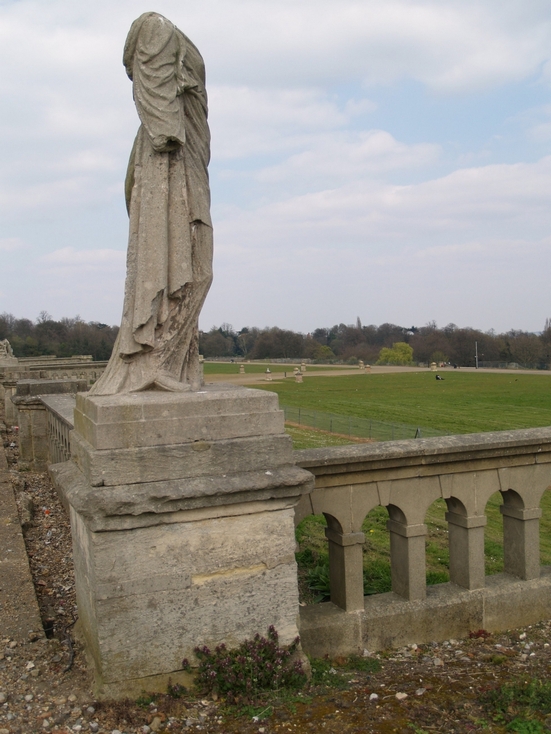
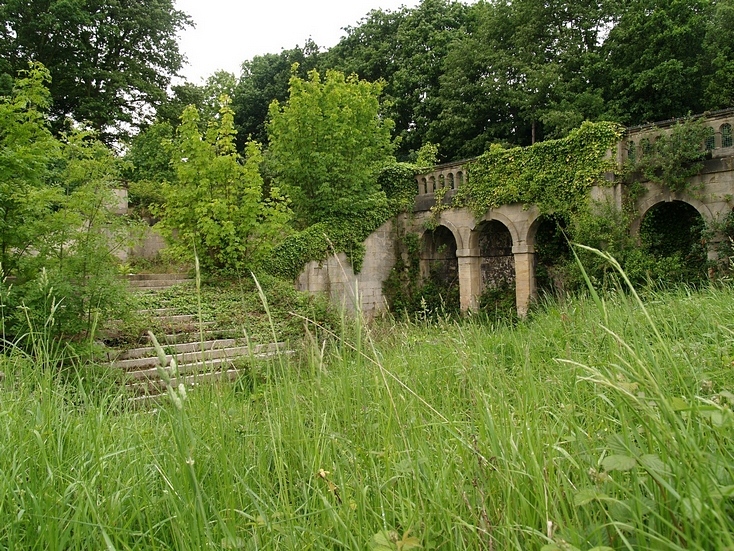
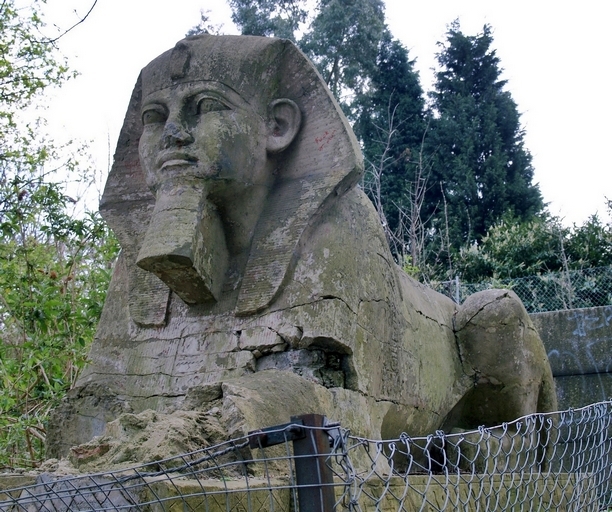
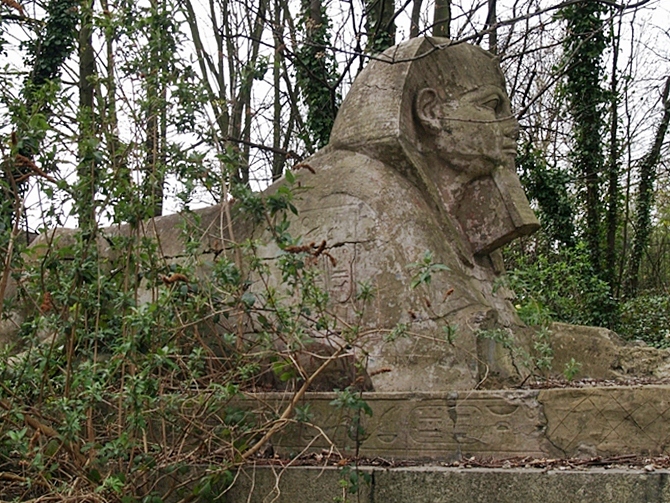
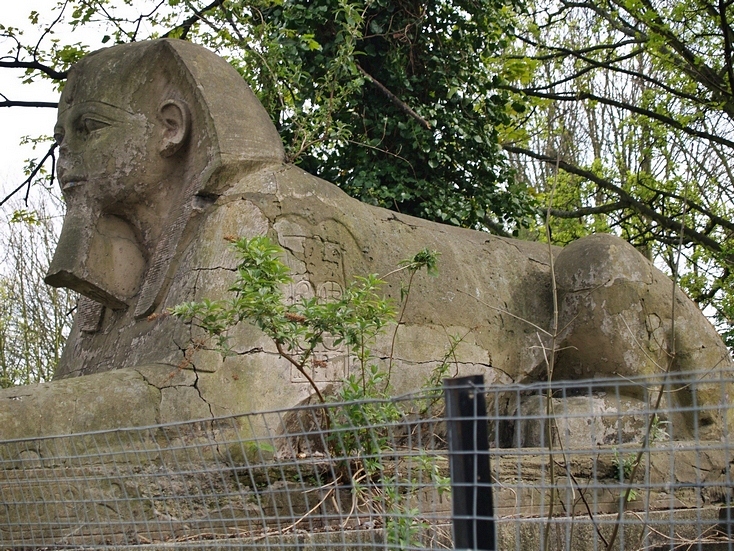
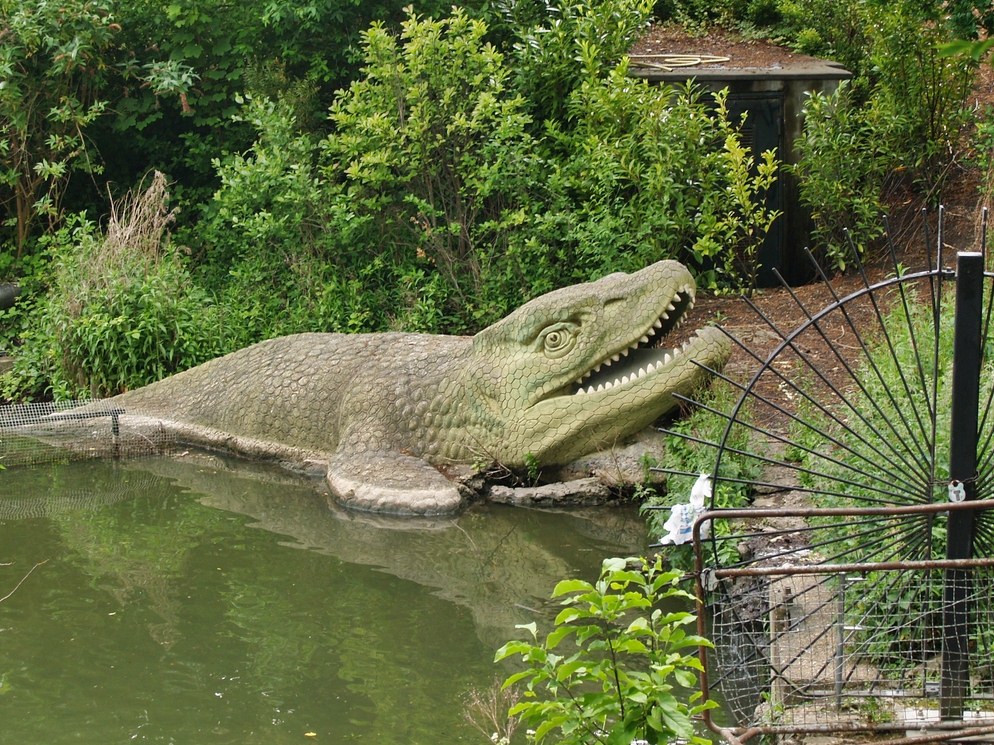
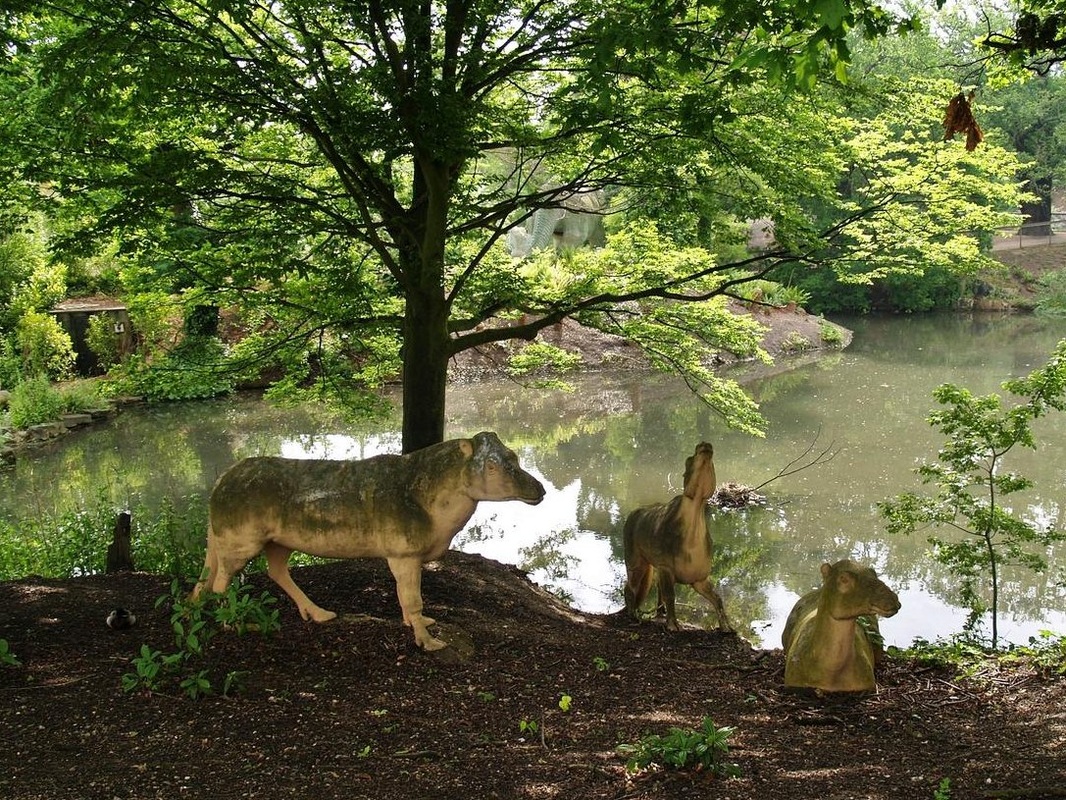
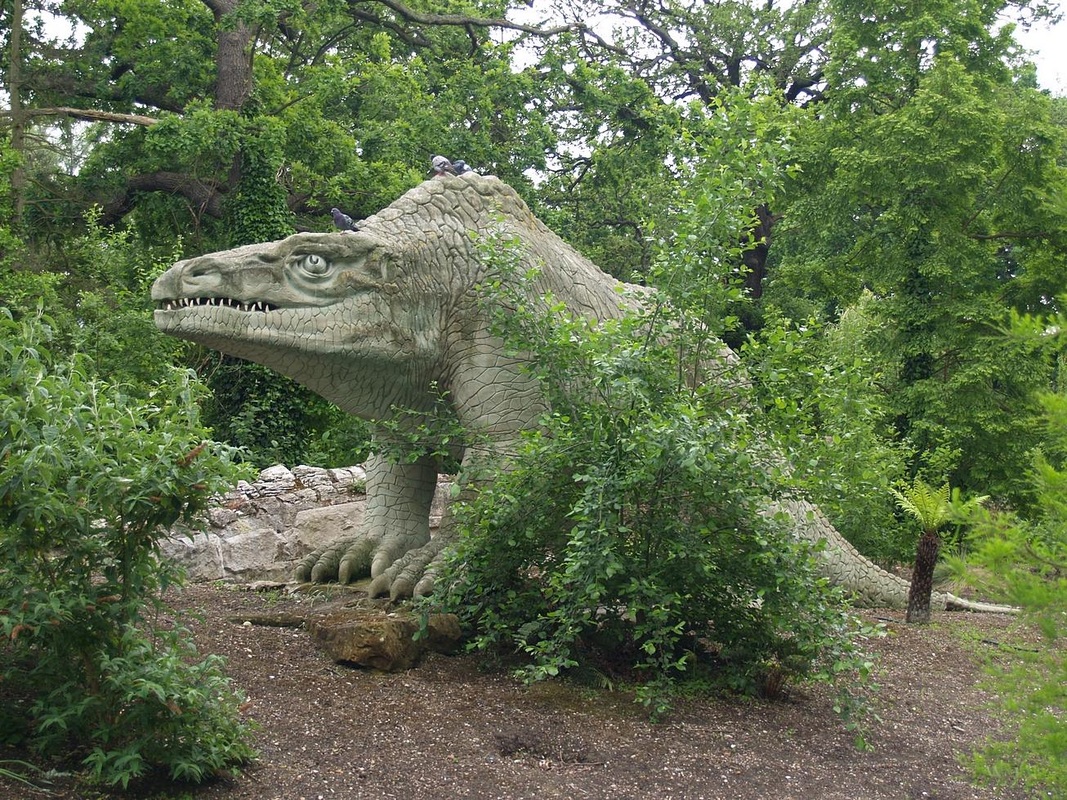
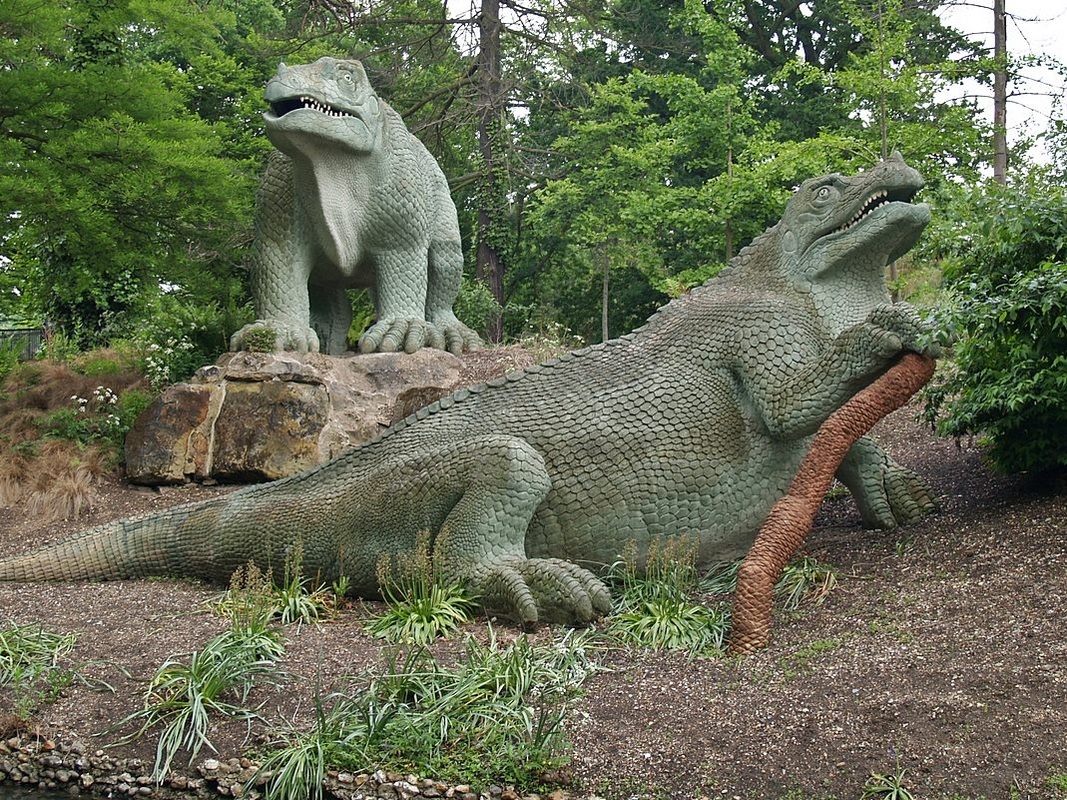
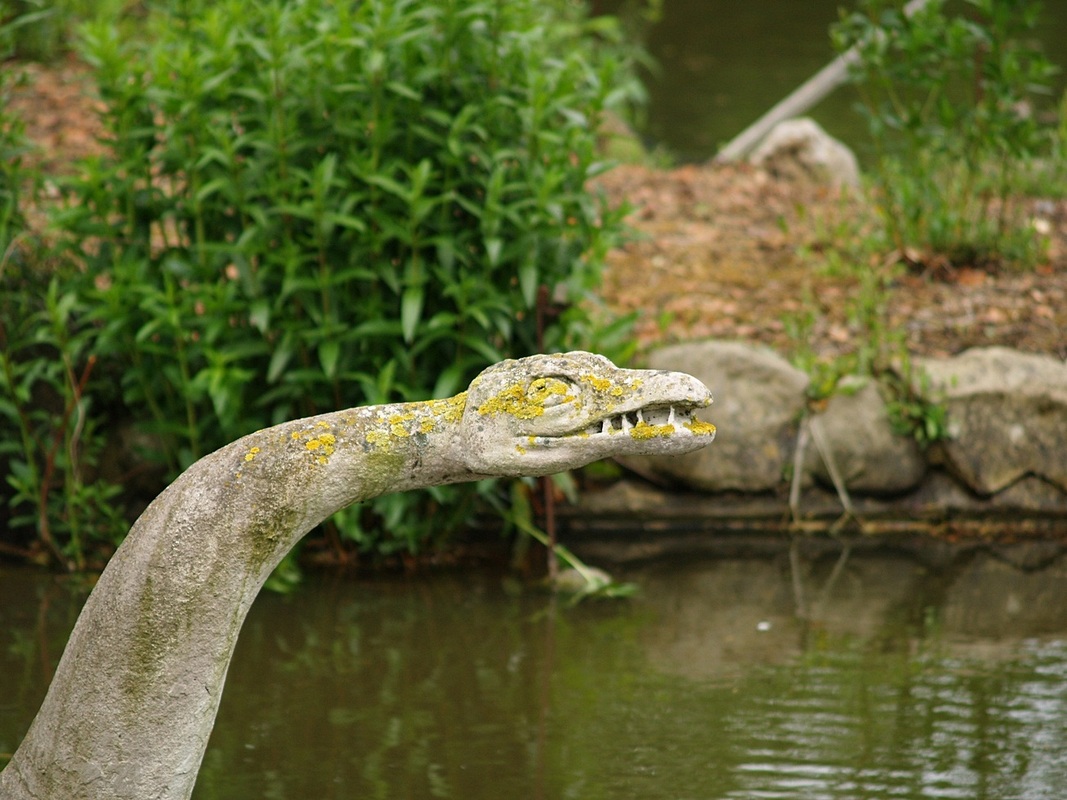
Crystal Palace’s slow decay is evident everywhere. Surviving remnants of the building are now disappearing in the undergrowth. Only the terraces with their crumbling sphinxes are there to remind visitors of former glories. What was once the world’s largest marine aquarium also limps on. The Aquarium was opened in 1871 and salt water was brought all the way from Brighton by train. Tastes change and by the 1890s it had been transformed into menagerie of monkeys who occupied the empty fish tanks. The Aquarium survived the 1936 fire but was destroyed when the North Tower was demolished in 1941.The Crystal Palace Dinosaurs , built in the 1850s were the first, ever, life-size dinosaur models in the world pre-dating the publication of Charles Darwin's Origin of Species by six years.The models themselves are now considered out of date and by and large inaccurate.
It somehow seems appropriate that one of Crystal Palace’s more bizarre claims to fame should also involve misfortune – it was the setting for the world’s first road fatality. In 1896, 44-year-old mother Bridget Driscoll, who had come to London with her teenage daughter and a friend to watch a dancing display, was hit, while walking on a terrace at Crystal Palace, by a car travelling at ‘tremendous speed’ (the driver was reported to be doing 4 mph). At the inquest, the coroner said: ‘This must never happen again.’
Plans are now afoot to transform and regenerate the area
WHITECHAPEL E1 - TOWER HOUSE (an orginal Rowton House)
"A historic doss house's conversion into flats is good news for some -but not the ever marginalised homeless of London's east end." (THE GUARDIAN)
Writer Jack London called it the "Monster Doss House" in People of the Abyss, his 1902 journey through the poverty of London. He said it was packed with "life that is degrading and unwholesome".
Joseph Stalin spent a fortnight in a sixpence-a-night cubicle in Tower House in 1907, when he attended the Fifth Congress of the Russian Social Democratic Labour Party across the road in Whitechapel Road, which consolidated the supremacy of the Bolshevik Party. George Orwell, in Down and Out in Paris and London, published in 1933, described it as the best of all common-lodging houses, with "excellent bathrooms". Orwell's only objections to the shilling-a-night rent were the "no cards, no cooking" rules and harsh discipline.Tower House was one of six Rowton houses built in London by the philanthropist, the first Lord Rowton, who was Disraeli's private secretary. His aim was to provide cheap and clean accommodation for the tens of thousands of working men who flocked to London and were forced to live in filthy, disease-ridden common lodging houses. He claimed the houses would be "fit for an archbishop". The only remaining Rowton house still used as a men's hostel is Arlington House in Camden, north London, also known to its largely Irish population as "The Mickey" or "Dracula's Castle"
Latest News: Tower House has now been restored and converted into apartments. See the "then & now" pics in the Derelict London book
HIGHBURY - WESSEX STUDIOS
The studio where Bohemian Rhapsody, Pretty Vacant and a large amount of the Clash's material were recorded is now closed and is undergoing conversion into (presumably) luxury apartments........
The following quote from an ASH website sums up the legend: "The musty smell of rock history hangs heavily in the air. It was in this dark recording studio, tucked away in a leafy Highbury side road, that The Clash first chugged out the opening chords of 'London Calling' . Mere inches away, in the corner of the live room, sits the timeworn grand piano where the toothy young Freddie Mercury first sat and picked out the intro to 'Bohemian Rhapsody'. When the Sex Pistols waded in two years later to record 'Never Mind The Bollocks', Johnny Rotten threw up into the very same piano and his dried vomit had to be painstakingly scraped off each individual string by some luckless teaboy."
BOW E3 - DISUSED WORKSHOP
Another building destined for demolition due to close proximity of the Olympic 2012 site
THE BOROUGH SE1 - WINCHESTER PALACE (Views from both sides)
Winchester Palace, completed in the 1140s, was the London residence of the Bishop of Winchester for over 500 years. Many important visitors were entertained here – King James I held his wedding banquet at the Palace. It was used as a prison from 1649 to 1660 and was then leased for housing. Destroyed by fire in 1814, now only the west wall with its 14th century Rose Window survives.
CRAYFORD - HOWBURY TITHE BARN
This tithe barn dates back to the 1600's. The water in the right hand corner is a moat which housed a building where William The Conqueror's half brother lived in the 11th Century!
HACKNEY E8 - THE OLD TOWN HALL (more recently known as HSBC bank)
This building dates from 1802 but was re-fronted in the present baroque style in 1900. This building served as a town hall until a larger one was built on the present Town Hall Square in the mid 19th century. On this site from Tudor times stood an irregular brick building known as Church House built by the Rector Christopher Urswick in 1520. It provided rooms for the parish vestry to meet and housed a charity school and a lock-up for miscreants.
BRIXTON - THE BRIXTON WINDMILL
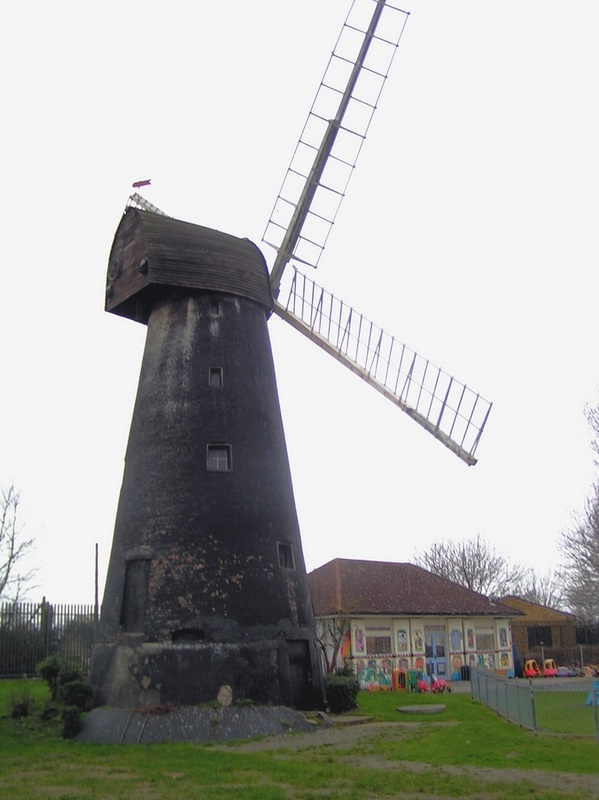
The Brixton Windmill was built in 1816 when Brixton Hill was nothing but open fields. It was still a working mill in the early twentieth century but it eventually fell into disuse.
"London has a chronic land shortage. At the same time, thousands of streets are scarred by empty spaces, abandoned for years behind temporary hoardings that attract graffiti and flyposting In a period of rising land prices, a site may change hands a number of times; in a slow market, owners may hold onto land until they can sell, which can depend on getting the right planning permission."(Sara McConnell, ""Evening Standard").
SPITALFIELDS E1 - PROVIDENCE ROW REFUGE AND CONVENT
The Catholic Sisters of Mercy established a night shelter here in 1860 for 100 women and 20 men of “good character”The Providence Row Night Refuge and Convent, where Jack the Ripper victim Mary Kelly is alleged to have stayed, is in the process of being converted into office space. The City of London Corporation Offices opposite are the site of Miller's Court where Kelly met her gruesome end.
ELEPHANT & CASTLE SE1 - DRISCOLL HOUSE HOTEL
This building opened as Ada Lewis House in 1913, one of the first of a small number of places in London providing accommodation for women (although over the years male guests were also allowed). The opening ceremony was performed by Princess Louise, Duchess of Argyll, and the building was named after Ada Lewis, wife of the philanthropist Samuel Lewis.
The building was bought by Terence Driscoll in the 1950s who renamed the building after himself. He worked every day at the hotel reception and used to give a weekly speech in the hotel at Sunday lunch, in the course of which he passed on news from past residents as well as his opinions on current affairs. Every December, Mr Driscoll would dress up as Father Christmas and distribute presents while carols were sung.
Terence Driscoll continued to be active in the running of Driscoll House until the last weeks of his life. He died in July 2007 and the hotel closed soon afterwards. There is a plan to convert the building into apartments.
LADYWELL SE13 - LADYWELL POLICE STATION
This Grade 2 listed station was closed in late 2003 as the police moved to their new premises down the road - Lewisham - rumoured to be the largest police station in Europe which even contains stables for 26 police horses
The Council is talking about building a new secondary school on this site (& presumably demolishing this old building?)
ALDGATE E1 - CAMELOT FASHIONS
A remnant from the old Commercial Road rag trade. Another site destined to be demolished to make way for an office block or apartments
SILVERTOWN E16 - MILLENIUM MILLS
Built in the 1930s to replace earlier granaries and mills, the Millennium Mills were one of the largest (flour) mill complexes ever to be built in London. Industry in the docklands area of London began to decline in the 1980s, however, and this complex of reinforced concrete granaries finally succumbed in 1992 when Spillers Milling Limited moved out, transferring staff and production to their mill at Tilbury Docks. Since then the building has made frequent appearances on television, recent examples being in a trailer for the drama series Life on Mars, and as a backdrop for a Derren Brown programme featuring Robbie Williams.
Developers plan to build 5000 new homes on this site and to convert the Millennium Mills into loft-style apartments. Many of these homes will have views over the Royal Docks and the River Thames. They may also enjoy the more dubious benefit of aircraft noise from the adjacent London City Airport.
This building was used in the opening series of Ashes to Ashes
Steve Dicken writes: "I was an apprentice at this mill in the seventies, seeing it again made me sad remembering the old days. Me and my mates used to slide down the spiral bag chutes on night shift...I used to fix those elevators......ride the man hoist.... my sweat is in those timbers. The car park where I parked my car is a field! My Dad and brother worked there also - D silo, it was unused back then, just a giant pigeon roost. Swans nested behind the silos that stood away from the right hand end of Millennium (as you look coming in the dock gate). I used to watch them take off and land on the docks. I kind of hope that some would still be there. I can still feel the rollerfloor in the soles of my feet and the smell of germ cooking and wheatfeed in the rain. A lot of history and atmosphere lost forever."
old pic courtesy of Eric Gold
KINGS CROSS N1 - THE LIGHTHOUSE BUILDING
This building was constructed in 1875 and the ‘lighthouse’ on the top is something of an enigma. Some claim that it dates back to the time when oysters were popular and cheap fast food and the ‘oyster houses’ that sold them were marked with a lighthouse. Some claim that the ‘lighthouse’ is really an old helter-skelter ride from a fairground. No one, though, seems sure.
This whole area is getting a facelift now that the Channel Tunnel international railway station is opening over the road at St Pancras station, and the plan is to redevelop the Lighthouse Building as office, retail and food and drink outlets.
Sara writes: "this lovely building was squatted by some dubious friends and i moved in after being evicted from another property at short notice. most of the buildings had fallen into serious disrepair and were not really habitable (missing floors and staircases, no water etc). one night, whilst on the roof behind the old garage builings towards the rear of the complex, we discovered a light well with missing panes. we tied a rope to the railings and lowered ourselves down into the room below, in which we found a set of stairs leading down. following these for a while, we eventually emerged onto an old tube station platform! the line was still in use, but this particular secret stop was not. there is a workmans enrty to it on the end that backs on to the Scala, however i don't think that has been accessed in a long time either."
David Wright writes: "Forty years ago,I was Manager of the Boots at Kings Cross;which is now the left hand half of Ladbrokes. I was told,then,that the "lighthouse" had been a watch tower for spotting body snatchers in St.Pancras Graveyard,which,from its size,position and windows,made sense."
EAST HAM E6 - DISUSED CHEMICAL FACTORY
The Disused factory of Burgoine Burbidges. The building, which was a thriving chemical business, seemed to go into disrepair after the second world war. The council took it over for storage. Then it became empty some time later, when it was padlocked and chained for years, until travellers broke in quite recently , then they were thrown out.
WALWORTH SE17 - POLICE STATION
Known as Carter Street Police station. Had a rough reputation. They moved to a new building in Manor Place in the '80s.
COVENT GARDEN - OLD WORKSHOP
The workshop of Thomas Chippendale and his son, Cabinet Makers, stood at this site 1753-1813.
BRIXTON SW2 - RALEIGH HALL
Originally a private house called Effra House, built about 1840 and then used as the Brixton Liberal Club. In the late 19th century it became a public meeting hall, also let out for concerts and dances.
It featured as a crack house in the film, SW9 - "Set amongst the back streets of Brixton, South London, over a 24 hour stretch - a cross section of twenty-something's, with differing agendas, united by anarchy, drugs, money and a gun"
Proposals are currently in place for the hall to be transformed into a Black Cultural Archives Museum. The BCA plans to develop the site for an inter-nationally known centre of black British history. "The heritage centre aims to become a national and international attraction, drawing in researchers and tourists from all over Britain and overseas - enhancing London's status while raising awareness about the black British contribution to London, Britain and the world."
HENDON NW9 - RAF HENDON (Disused Aircraft Control Tower)
The insignia is of the Grahame-White Aviation Company who bought the land in 1911 and promoted the site as the London Aerodrome. The RAF & the US used Hendon during WW11. During the Battle of Britain a number of fighter squadrons used the airfield. Unoccupied since the 1980s when the RAF ceased operations. Approved scheme for use as a leisure facility within a development scheme has not progressed. New proposals submitted for a high-density housing development, but these do not include the listed building.
Iain Duncan took the following pics inside the site in approx 2003:
Inside the first floor of the control tower
Mural on wall of former theatre bar and office inside Grahame White Hangar
Graham White Hangar (this has now been moved to the RAF Museum site)
PLUMSTEAD - WHITE HART ROAD DEPOT
The council depot worksite contains a former electricity generating station, which is listed as Grade II. This complex of buildings was originally an early-Edwardian combined refuse incinerator and electricity generating station supplying both street and domestic lighting. Power generation ceased in 1923 and incineration in 1965 and it was subsequently modified to become a council depot.. The interiors of the buildings contain interesting decorative finishes including doors, door surrounds, fireplaces,stairs and glazing within the offices and glazed brick interiors and mosaic flooring in the main hall.
Steve writes: "my Dad used to work at this depot from the mid 80's to early 90's as a security guard forthe council, he used to watch for people getting through the fence to nick the batteries out of the rubbish carts that were parked there over night. I used to visit him some nights on my motor bike at work, where he would feed the ferile cats, foxes and anything else furry, one night he tripped in the gatehouse (pictured) hit his head on the weigh bridge equipment, knocked himself out and cut his head open.Apparently the big building was used as a temporary morgue during WWII."
BOW E3 - CHISENHALE WORKS
Morris Cohen built the Chisenhale Works building (called CHN Veneers) at the height of the Second World War in 1943 to produce veneer for the construction of Spitfire cockpits, as well as propellers and plywood for Mosquito aircraft. The works closed in 1972 and the building was then bought by the London borough of Tower Hamlets.
In 1980 a group of artists and a dance collective took over the lease at Chisenhale Works as the Arts Place Trust after being forced to relocate from their studio building in Butler’s Wharf in Docklands. During the winter of 1980–1, the artists renovated part of the derelict building and created 40 studios. X6 Dance, meanwhile, established Chisenhale Dance Space in the derelict Black Horse Brewery building adjacent to Chisenhale Works.
Although many parts of the old works pictured here still remain derelict, there appear to be no plans to redevelop them.
PECKHAM RYE - FRIERN SCHOOL
Friern School opened in 1896 as a primary school for girls and boys.It was later to become a secondary modern called Friern Girls High School until 1978 when it amalgamated with Honor Oak Grammar School and became known as Waverley School which remained open until 2002. A fire destroyed a lot of the building shortly afterwards. Much of the building is to be demolished although the school's Victorian façade will be preserved. A new school (The Harris Academy) for 950 boys is to be builton the site and to be sponsored by Lord Harris of Peckham (the owner of the Carpet Right superstores)
PECKHAM RYE
This pic shows a piece of an school entrance gate for a school. Its now used as makeshift park seating. It didnt match my picture taken of the boys entrance at Friern School and was not sure where it came from. However Ms Hewlett who was a pupil at the school wrote to Derelict London and confirmed that this sign also belonged to the school and was located at the side of the building.
TOTTENHAM N17 - NORTHUMBERLAND TERRACE
Many of London’s more gracious homes are, or have been, in danger of being lost at some point in the past few decades. Northumberland terrace, built in 1752 by Robert Plimpton for the Duke of Northumberland, is a depressing contemporary example. It was constructed on land previously occupied by medieval mansions, and the gate piers may have been part of the original Black House in which Henry VIII is said to have stayed from time to time.
One of the fourteenth-century Earls of Northumberland was known as Hotspur, a name made famous by Shakespeare in his play Henry IV, Part 1. The nearby Tottenham Hotspur Football Club was named after him. The crest of the club originally featured two lions, representing the crest of the Northumberland family, and a cockerel and ball; the badge has since been ‘modernised’ and the two lions removed.
The terrace as a whole has suffered from serious dilapidation. Some parts of the interior, however, have been restored in recent years – not always sympathetically.
LEYTONSTONE E10 - 491 PROJECT
This building in Leytonstone is home to the 491 Gallery and to a community squat, which began in 2001 when two friends found the doors to a derelict building on Grove Green Road open. Inside were the debris of eight years of misuse – heroin needles, human faeces, racist graffiti and a mountain of rubbish. Despite the broken windows, rats and dust, a hardcore of five moved in within two weeks and began to clean up, simultaneously sowing the seeds for a Sustainable Community Regeneration Art Project.
Regeneration has included bringing back into use five derelict properties and a considerable tract of fly-tipped land. 491 Gallery now hosts space for workshops, exhibitions, events, an art studio, a textile studio, a music studio, a cinema, a dark room and a permaculture garden, and has been home to over 25 people.
WANDSWORTH SW18 - YOUNGS RAM BREWERY
The earliest records of brewing on this site date back to at least the early seventeenth century, but in recent times its cramped location, and the fact that the local authority expressed an interest in acquiring and developing the land it stood on, prompted the brewery to consider its options, and in 2006 the decision was made to sell up and move to Bedfordshire. Chairman John Young died just days before the brewery closed, and its final brew was served at his funeral.
Now that the Ram Brewery has gone, Fullers in Chiswick (where brewing has been going on since Elizabethan times) remains the only significant brewery still operating in London.
LIMEHOUSE E14 - VIP GARAGE
This workshop was built in 1869 as a sail-makers’ and ship-chandlers’ warehouse. It was occupied by Caird & Rayner from 1889 to 1972 and was never substantially altered, so the building retains its original cast-iron window frames and two double loading doors that open on to the Limehouse Cut. Caird & Rayner were engineers and coppersmiths who specialized in the design and manufacture of seawater distilling plant for supplying boilers and drinking water on Royal Navy vessels and Cunard liners.
The building is the only original sail-makers’ and ship-chandlers’ warehouse surviving in Tower Hamlets. A housing trust owns the property and plans to demolish the existing buildings to make way for a block of flats.
I can tell you a little more about Caird & Rayner's time at 777 Commercial Road, for whom my father worked until his death in the mid 80's.
John Kirkwood whose father worked here until his death in the mid 80's writes: The company produced water treatment plant, often for naval use and as such, they were regarded as a strategic industry during the war and there is a tale of one engineer who went off to join up, only to be ordered back by the military. Due to the risk of being bombed out of London, the wartime government decreed that Caird & Rayner should have a shadow factory to which business could be transferred should the need arise. A property was located in Watford, and taken over by Caird & Rayner 'for the duration' but remained in the company thereafter.
During the 1960's, business had declined and it was decided to relinquish the Commercial Road site and concentrate on Watford. There were redundancies, I believe, but the firm substantially relocated to Watford and our family moved in about 1967 to a place in Hemel Hempstead, within easy commuting distance of the Watford site. The move out of Commercial Road had it's 'moments'. The building was, as you say, a sailmaker's loft, which meant the main part of the building had just a ground floor and a full height space in which to hang and manage sails, with a gallery round the insider perimiter, at first floor level.
With the building's use as an engineering works, many machine tools had been installed in the gallery - lathes, milling machines, drills and the like. As machinery came out for transport, the weights were tallied up, but only until the company got scared when they realised the place should have long ago collapsed under the load."
CITY OF LONDON EC3 - P & O BUILDING
Built in 1969, with 15 storeys above ground and three below, this building was considered at the time to be one of the most complex glass-fronted structures in England.
It was extensively damaged by a Provisional Irish Republican Army bomb attack in 1992, and subsequently had to be reclad. Now it is being demolished to make way for a much taller, 48-storey tower, destined to be the tallest building in the City until the completion of the neighbouring Bishopsgate Tower. The distinctive wedge-shaped profile of the new building has already led to it being nicknamed the Cheese Grater. The project is costing £286 million.
The demolition procedure for the old building is unusual, being conducted from the bottom upwards, rather than the other way round, leaving the building’s concrete core exposed. This is because of the unique way in which the building was constructed: the floors are supported by a beam hanging from the roof rather than being supported by columns from the ground.
FOREST HILL
This intriguing building is facing the platform at Forest Hill Railway Station. This entrance is quite high up and the doorway is only accessed by a metal fire escape style staircase.
Stephen Williams writes: "the fancy building facing the station platform was built as a music hall in the days when the railway was a canal,in the sixties it was deers furniture warehouse the back becoming the front facing the south circular opposite the toilets with the club brandishing youth outside,the only other sign of the canal is the strange shaped keepers cottage beside the railway bridge and ancient steps leading to nowhere ,i grew up in forest hill and its a great shame the old station was demolished ,the original was very grand befitting the many wealthy locals living in the area."
DEPTFORD - OLD FIRE STATION
Interesting shell of a building. A bloke came up to me enquiring what I was doing and when I explained him to him that I was photographing the facade he told me to speak English!
|
SHOREDITCH
|
|
DALSTON
|
|
BRENTFORD
|
CATFORD
|
HACKNEY
|
|
BRENTFORD
|
HIGHBURY
|
ELEPHANT & CASTLE
|
|
CAMDEN TOWN
|
SHOREDITCH
|
BRENTFORD
|
|
NEASDEN
|
DEPTFORD
|
HAGGERSTON
|
|
BRENTFORD
|
DEPTFORD
|
WOOLWICH
|
|
NEW SOUTHGATE
|
BRENTFORD
|
SHOREDITCH
|
|
FINSBURY PARK
|
BRENTFORD
|
HIGHBURY
|
|
DEPTFORD
|
MAYFAIR
|
KINGS CROSS
|
|
NORTH GREENWICH
|
DALSTON
|
NORTH GREENWICH
|
|
SPITALFIELDS
|
NORTON FOLGATE
|
HACKNEY WICK
|
|
HORNSEY
|
BOW
|
CROYDON
|
|
HORNSEY
|
SOUTH TOTTENHAM
|
WALTHAMSTOW
|
|
SPITALFIELDS
|
THAMESMEAD
|
WALTHAMSTOW
|
|
BOW
|
WOOLWICH
|
WOOLWICH
|
|
STRATFORD
|
SHOREDITCH
|
FULHAM
|
|
PECKHAM
|
WHITECHAPEL
|
SHOREDITCH
|
|
WOOLWICH
|
SHOREDITCH
|
STRATFORD
|
|
SOHO
|
BERMONDSEY
|
HACKNEY WICK
|
|
FINSBURY PARK
|
GREENWICH
|
LEYTONSTONE
|
BLACKFRIARS
STRATFORD
BOROUGH
GUNNERSBURY PARK
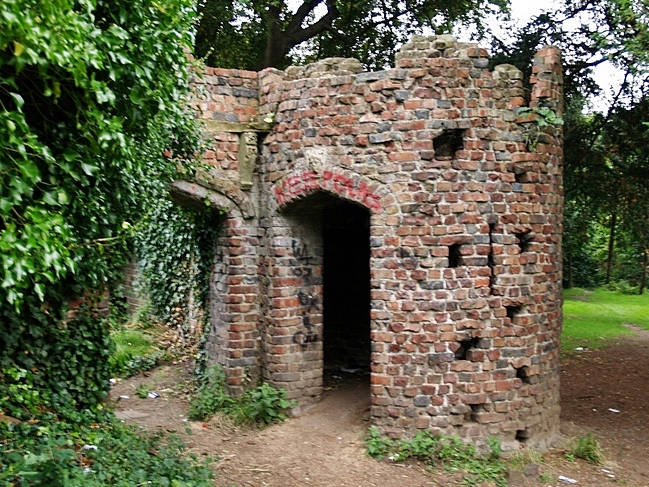
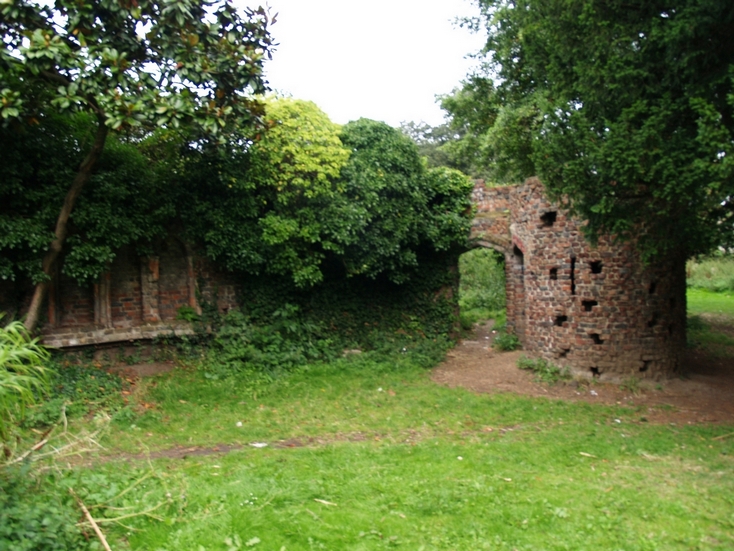
Gunnersbury Park began as a walled garden a round a Palladianhouse dating from the mid-17th century. Princess Amelia , daughter of George II, lived in the old Gunnersbury House from 1763 to 1786 and landscaped the park to late 18th century taste. In 1926 Gunnersbury Park was opened as a public park converting features of the existing landscape as the Round Pond and Potomac into
a boating and fishing lake respectively.
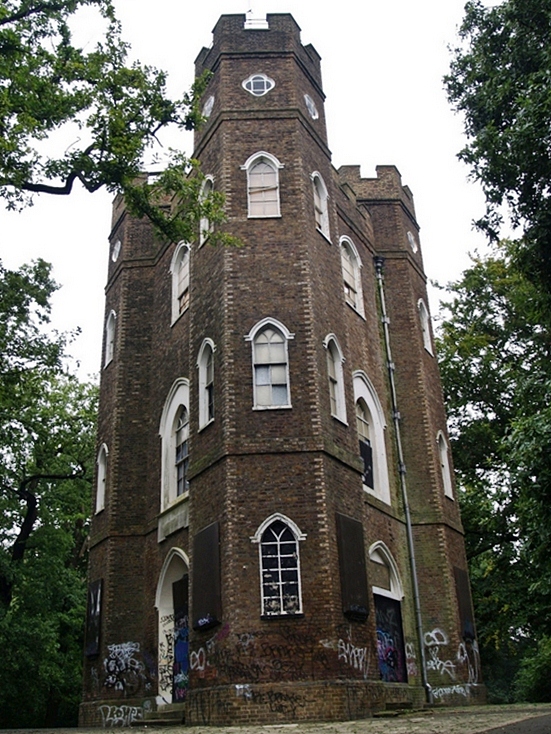
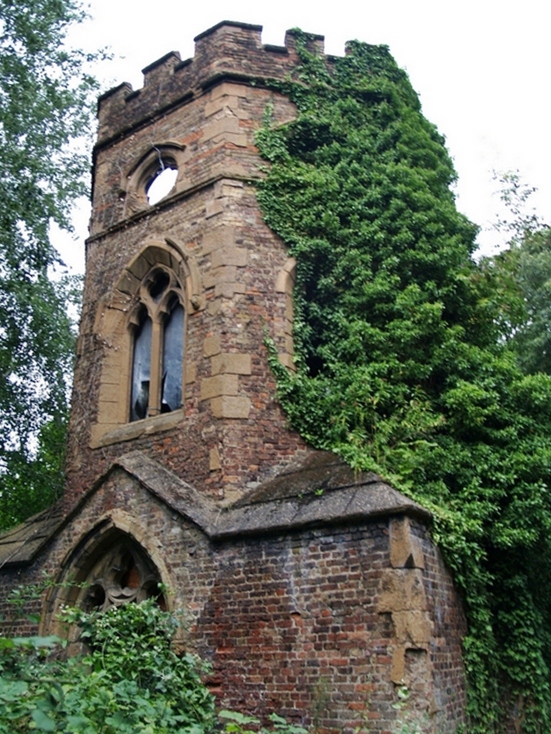
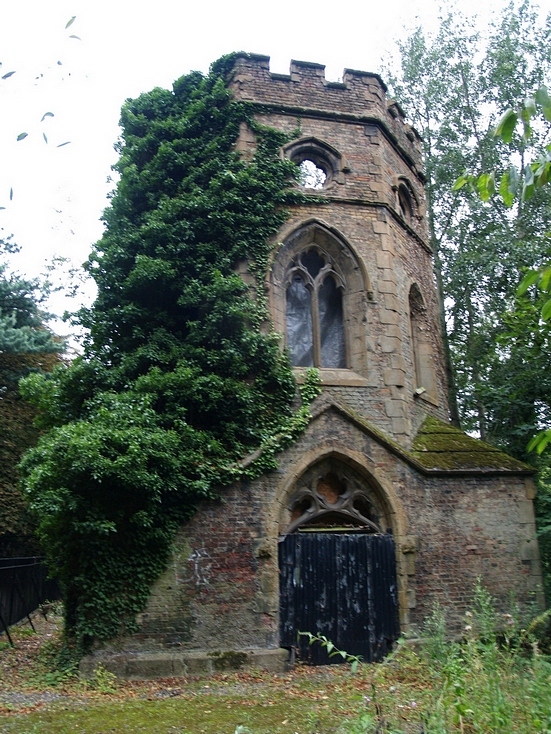
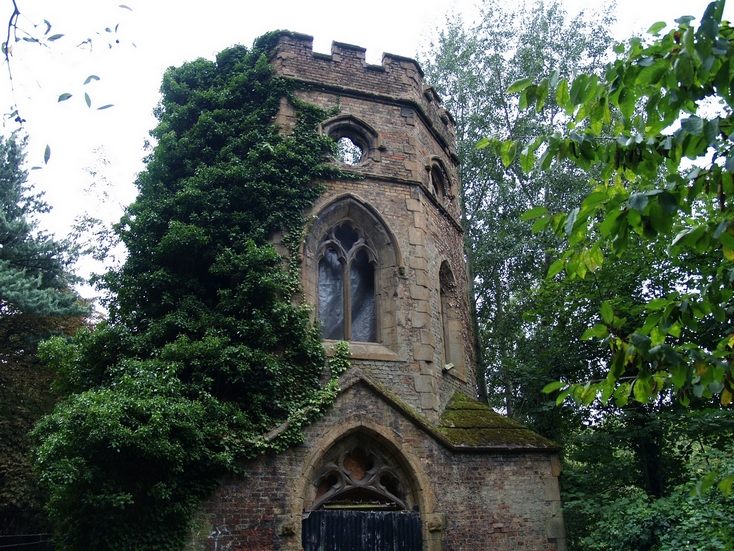
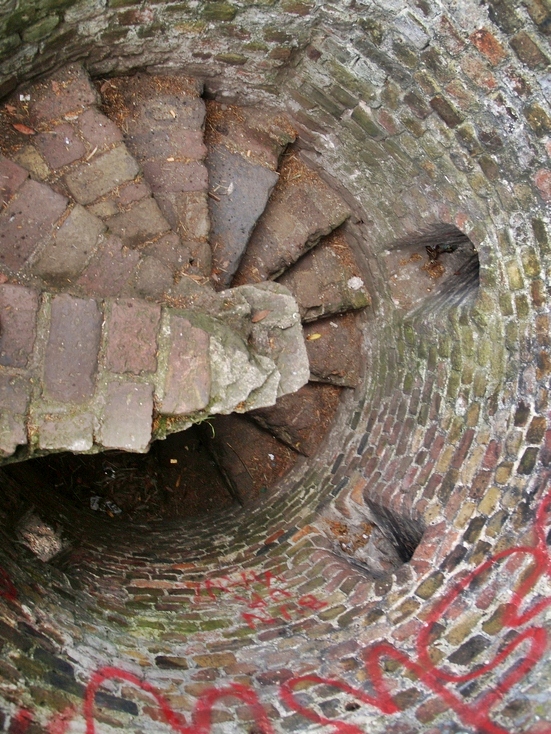
Mid 19th century Gothic folly tower, the tower was a converted tile kiln and situated on the shore of Potomac Lake serving as a boathouse for the lake, which was developed in 1861 from a disused claypit (developed by Baron Rothschild to make chimney pots & tiles). The room at the top of the tower was a light and spacious one with leaded glass windows looking out across the park.
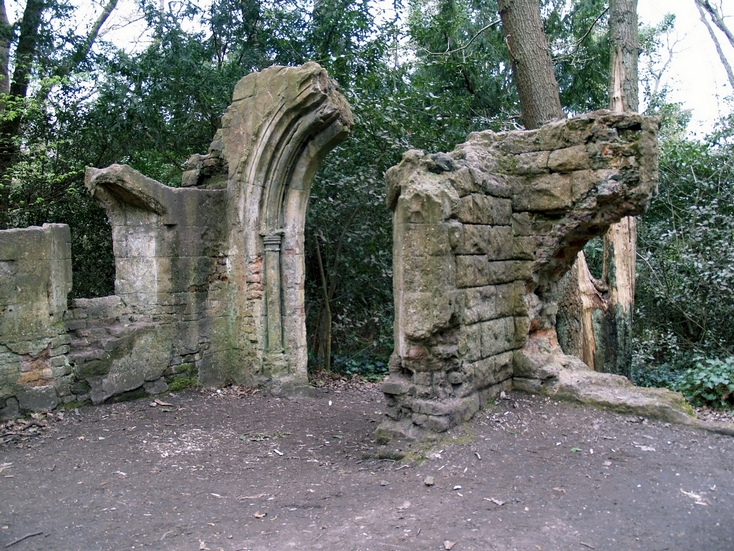
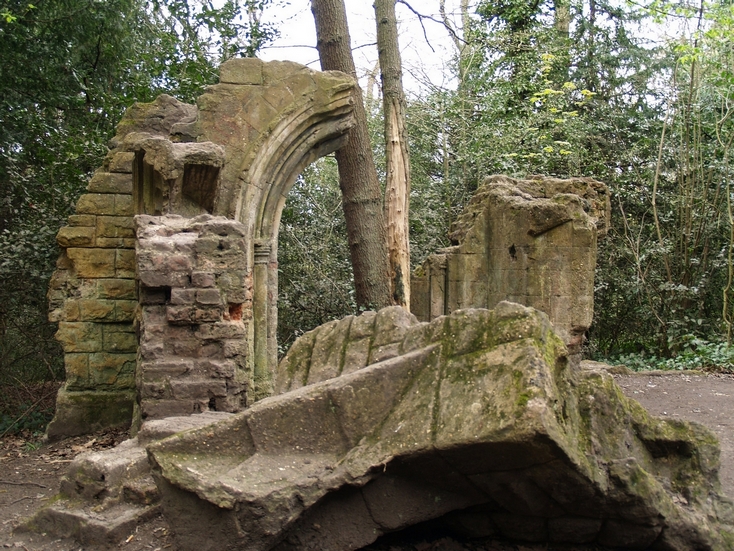
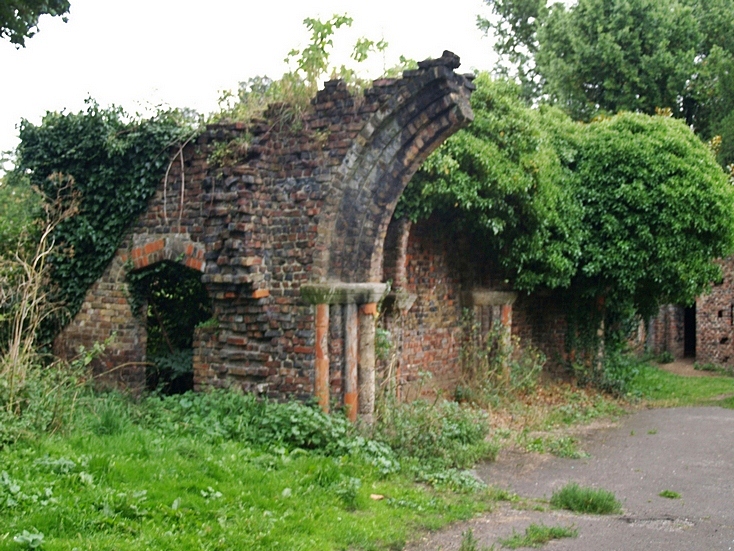
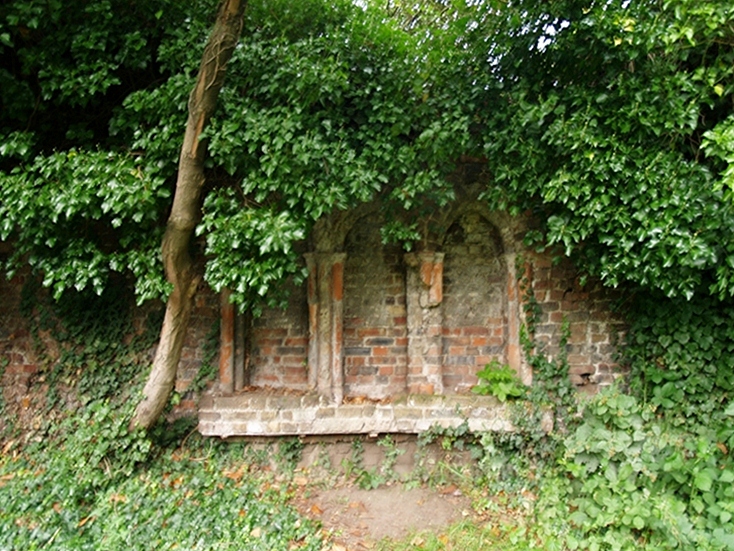
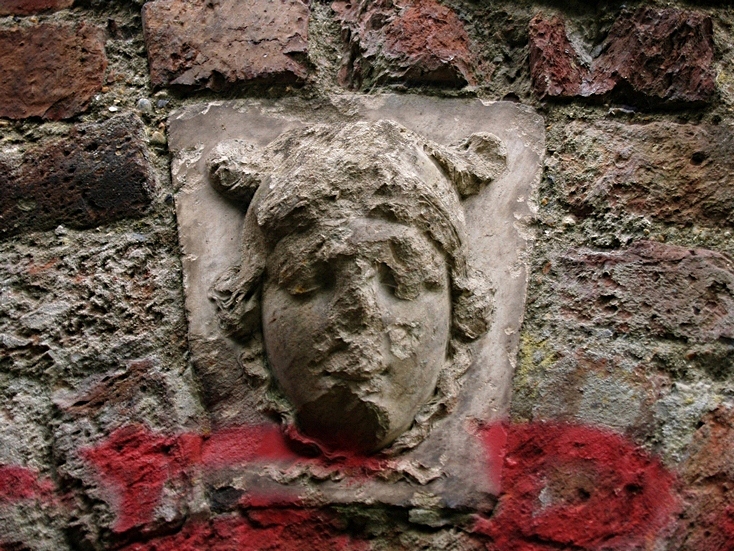
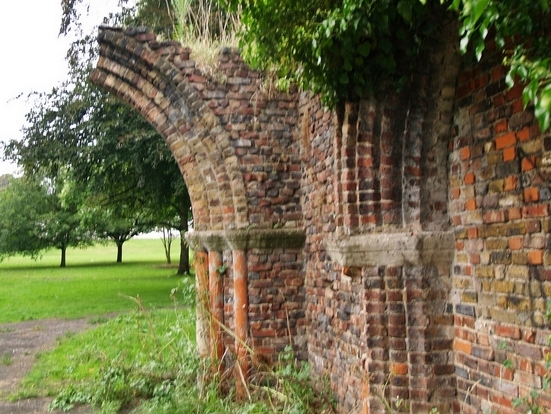
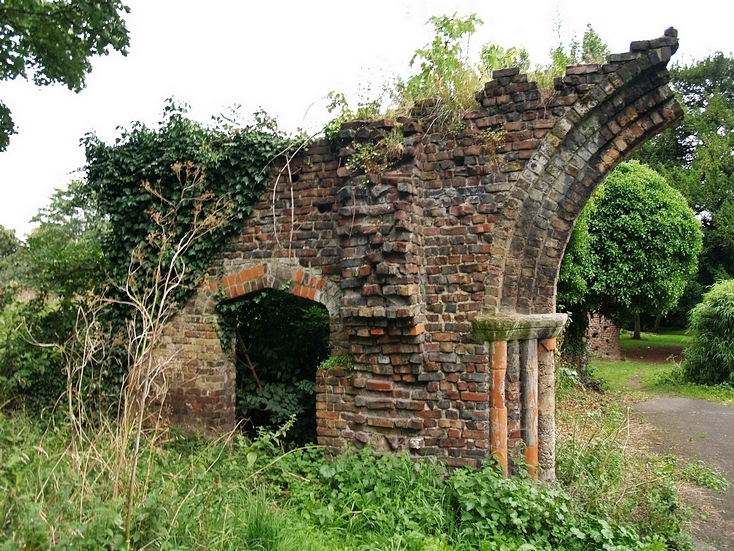
Sham Gothic ruins
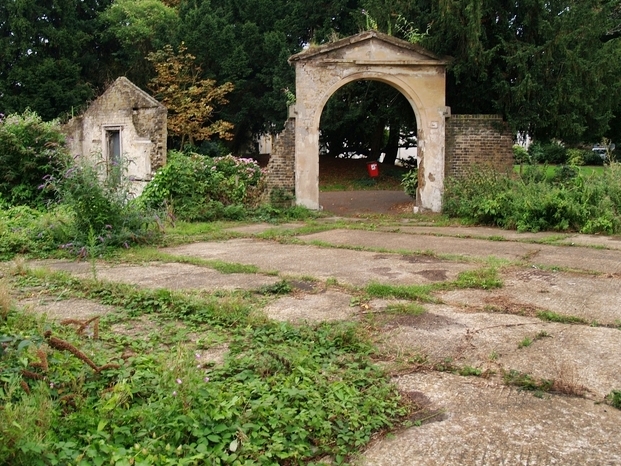
Stucco pedimented archway, c1837, situated near to the East Lodge, on the eastern edge of Gunnersbury Park.
SOHO
DENMARK HILL
SHOREDITCH - POLICE STATION & MAGISTRATES COURT
Built 1903-8 to the design of John Dixon Butler in an Edwardian Baroque style. One of the finest Edwardian civic buildings in London according to English Heritage. Planning permission and listed building consent granted in 2008 for conversion to a hotel but work not yet started on site.
I bet this building could tell a few stories. For starters I heard that Joe Orton and Kenneth Halliwell were there, charged with stealing books from Islington library & the Krays were charged here in 1965 for demanding money with menaces.
STAINES
FROGNALL
NORTH KENSINGTON
SILVERTOWN
PADDINGTON GREEN
STAINES - AFFORDABLE RENTALS
The front view of this building is of a now defunct car rental business while the back view is in total contrast & retains some real old world charm. It would be a real shame if
this building is demolished as so many of the old buildings of Staines have been lost over the years. Still Staines is not the only place to suffer.....
PONDERS END - GARAGES
I came across this back alleyway and was amazed by the amount of dilapidated garages. That yellow dusty 1977 Ford Fiesta is in surprisingly good nick considering the road tax expired 17 years ago. I presume the garage door has recently been broken open to reveal the car.
HENDON - CLITTERHOUSE RECREATION GROUND
FOREST HILL - LOUISE HOUSE
Louise House is a rare survivor of a purpose built industrial home.
Industrial Homes developed from the Ragged School movement of the mid-19th century. These schools sought to give children a basic education and sufficient training to earn an honest living & it was believed that some children would only prosper if they were removed from the corrupting influence of their home environment. The industrial home provided that refuge.
Local benefactors of the Forest Hill industrial homes (the boys one down the road was demolished in 2000) included FJ Horniman (he of the Horniman Museum) & members of the Tetley family. Princess Louise who opened the buidling in 1890 continued to keep an interest in the building that bore her name. Thomas Aldwinckle was the principal architect of both Louise House & the adjacent Forest Hill Pool (also derelict - see the Pools page) .
Janusz Korczak, a Polish Jew wrote that he was inspired by a visit to Louise House in 1911 to found a similar institution in Poland. He became an active campaigner for children's rights which culminated in the Declaration of the Rights of the Child, later adopted by the United Nations. In 1942 Korczak, 12 members of his staff and 192 children at his orphanage were rounded up by the Nazis & transported to an extermination camp; that is the last that was heard of them.
Louise House remained a girls' home (the word 'Industrial' was removed in about 1930) until the mid-1930s. By 1939 it was occupied by Air Raid Precautions and after the war it became a child welfare centre. Louise House was closed and boarded-up in 2005.
HOLLAND PARK
MARYLEBONE - MOXON STREET CAR PARK
Following slum housing clearance in 1966 the site was designated for educational use however, despite a series of school proposals for the site it has remained undeveloped. The site was transferred to the City Council on the condition that the land cannot be disposed of before late 2011. The site which is a few feet below ground level is now used as a car park and a Sunday farmers market. Remains of old buildings form parts of a wall around the car park.
Tony writes: "I grew up in this area and went to primary school at the bottom of moxon street(st vincents),the car park in the photo was previously home to two streets of houses(moxon and aybrook).they were tenements,multi occupied with outside toilets and shared bathrooms on landings,people round there were incredibly poor,a lot of irish immigrants found thier way there.after the houses were demolished we used to make dens in the car park even fitting them out with salvaged carpets and old chairs and sofas from the site.one night we all slept there about ten of us between twelve and fifteen years old,the police arrived around 2 in the morning and broke up the gathering.the area then had a large working class population but is now gentrified beyond belief,all the old school have gone(including me),there were warehouses(now flats) and a lot of people worked for the wealthy doctors in the area as live in porters and caretakers,the massive howard de walden estate owning most of the land in marylebone,nice photo thanks for including it."
BATTERSEA - ST MARK'S SCHOOL
Former St Mark's Infant School - a Church School of 1866-67 designed by Benjamin Ferrey. The building is now vacant and in poor condition with structural problems to the rear wall
BERMONDSEY
GREENWICH
HOLLOWAY ROAD N7
OLD KENT ROAD
PECKHAM
PECKHAM RYE
The left pic shows a piece of an school entrance gate for a school. Its now used as makeshift park seating. I presumed that this was from the nearby closed Friern School but looking the picture on the right of the said school its not the same after all.
UPPER NORWOOD
EARLS COURT - PHILBEACH HOTEL
When open was described by Lonely Planet Guide as "in the heart of 'gay Earls Court' sits one of London's few gay hotels. Easily the most popular, it prides itself on being 'owned by gays, run by gays, for the gays!"
Phil writes to Derelict London: "I am in a state of shock at seeing the picture on your site of the Philbeach Hotel closed down and boarded up. It was part of London’s Gay Heritage and should have had a pink plaque on the wall. As a youngster some 20 or more years ago – I regularly found myself heading there to spend a night in one of it’s rooms after being picked up in a club! I would be so intimidated by the transvestites that used the bar as a regular meeting place. They all seemed to look like the men dressed as women on that ‘Bounce’ tv ad. There was a small room downstairs that was an Alladin’s cave of glittery frocks and oversized shoes, where the ‘ladies’ would dress for the evening.
I can’t believe it’s all gone. Happy memories!"
|
|
www.derelictlondon.com
|
|
Want present day pics of your old haunts?
Researching your family tree and need location pics?
Pictures taken to order - low cost - any job considered
(not just derelicts!).
Much cheaper than professional photographers
Contact: Paul at derelictlondon.com
|
|