• Home
  • Derelict London - The Book
  • Contact
  • Guestbook
  • London's Lost Rivers - The Book & Website
  • Author's Guided Tours of London

The Derelict London website
 is sponsored by:

Picture
Picture
Picture
Picture

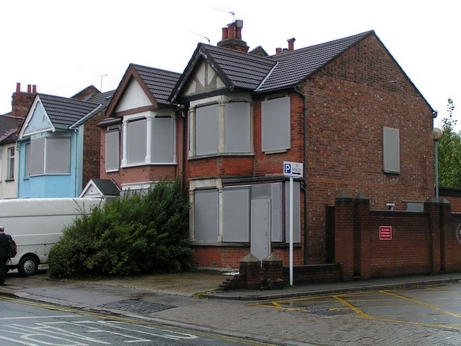
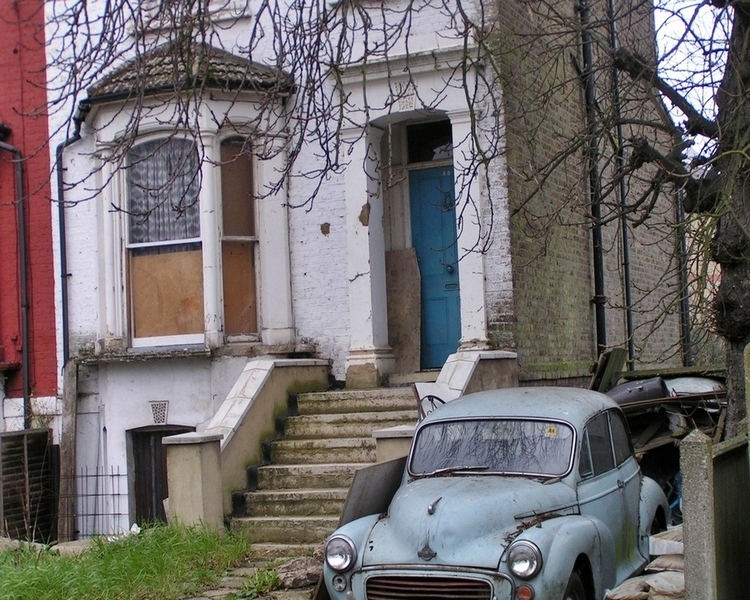
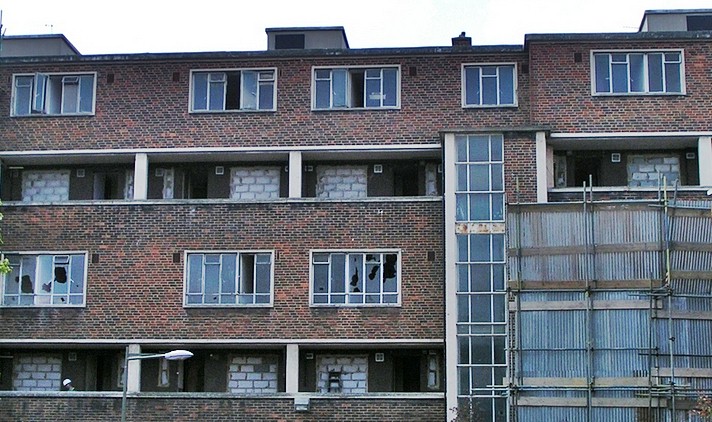
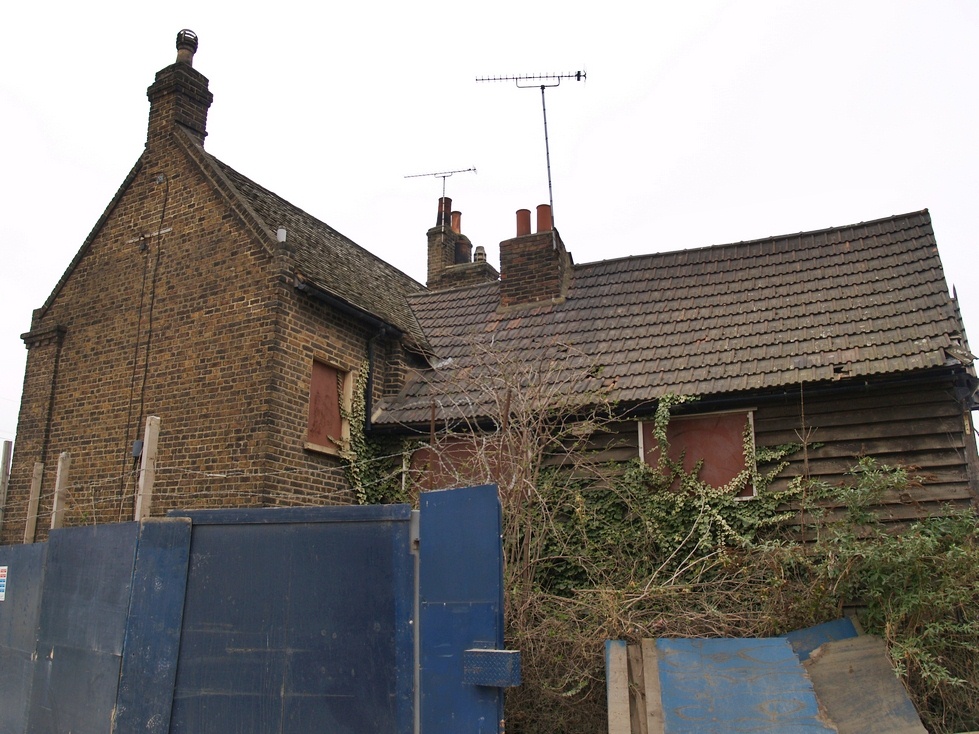
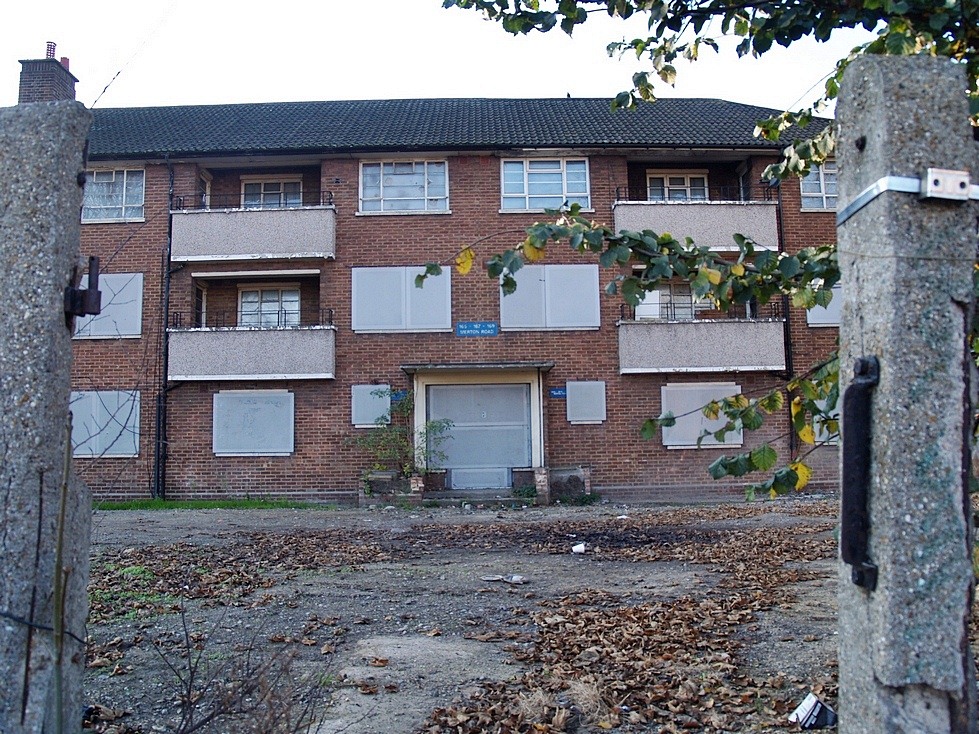
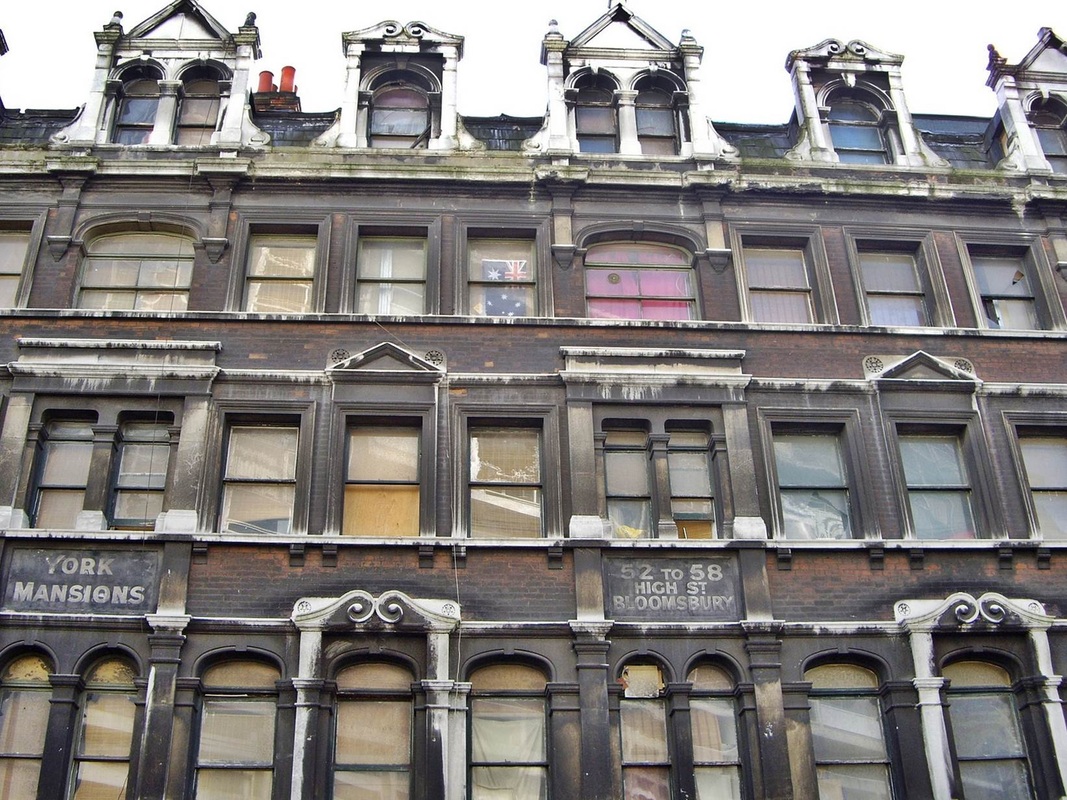
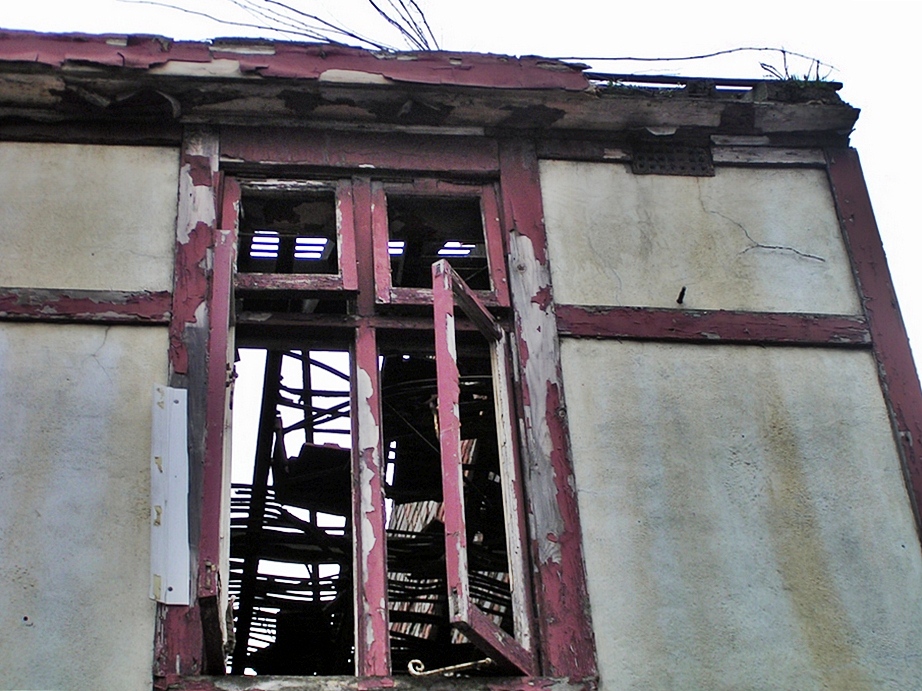
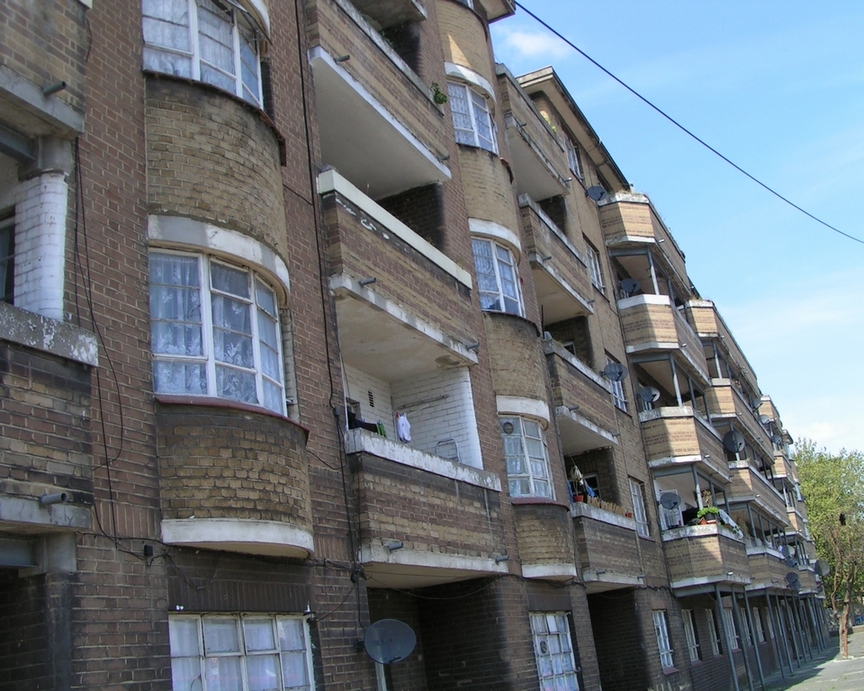
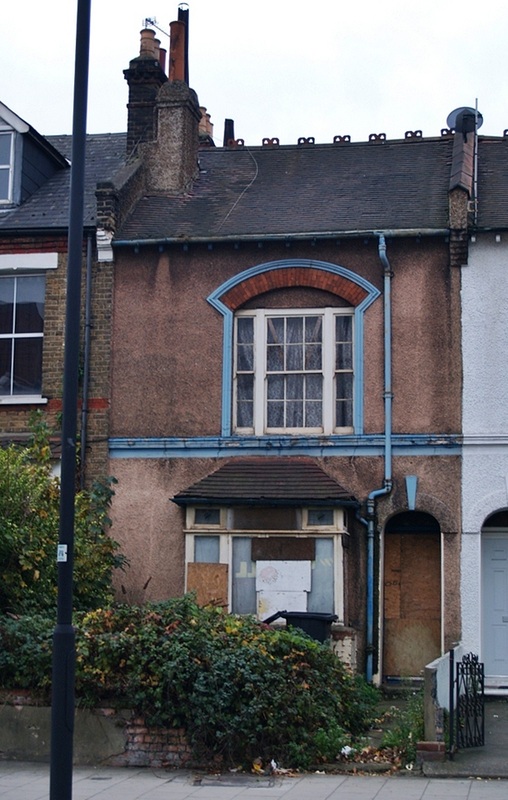
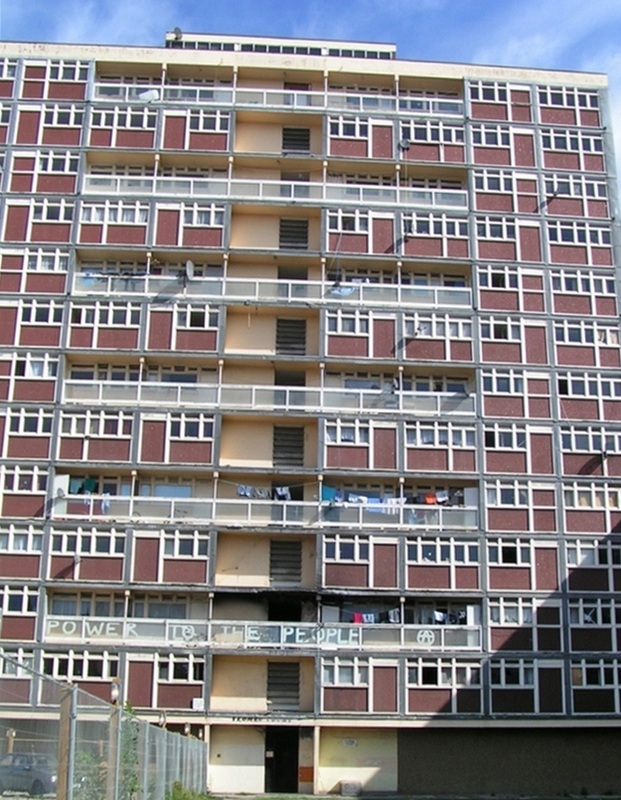
DERELICT LONDON - Houses and Flats

Picture

This introduction is from the Empty Homes Agency website (Empty Homes are an independent charity who help people create homes from empty property and campaign for more empty homes to be brought into use, for the benefit of those in housing need):

Most empty homes are privately owned. Surveys show the majority of the owners own just one or two properties. Often they are rented homes that have fallen into disrepair; sometimes the owner has inherited the property. In many cases the owner lacks the funds or the skills to repair and manage the property.

There are also many empty houses and flats owned by and often located next to businesses. Some surveys suggest that up to a fifth of all empty homes are flats above shops. Many of these would originally have provided staff accommodation, but with changing employment patterns they are no longer used. In some areas cottages were tied to agricultural work, but increasing agricultural mechanisation means they are no longer needed. It is common in these cases for the business to lack the skills to make use of the empty homes.

In the last decade there have been many large regeneration schemes that have involved emptying homes in preparation for refurbishment or demolition. In the last three years falling house prices, restrictions on borrowing money and reduced government funding have caused many of these schemes to stall or even be abandoned. This has led to large areas of many social housing estates standing empty. In addition some regeneration schemes have taken the same approach to privately owned housing. Some of these have led to large numbers of homes standing empty. There are also many developments of new flats in towns and cities that have high vacancy rates. Some are owned by investors who may be waiting for rental prices to pick up, other flats were never sold, and others are incomplete, the development having been abandoned.


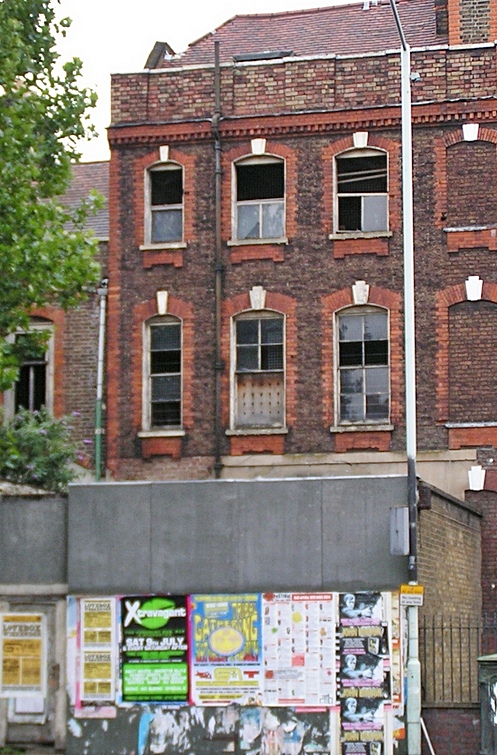
PARK LANE ,WESTMINSTER. W1 - 138 Park Lane aka "The Nicholas Cage  Mansion"

Picture

This Grade 2 listed building occupies the site of two small houses, originally built in 1758. Occupants in the early years included: Sir Joseph Pennington, Richard Fitzpatrick (M.P),  Henry Fitzroy Stanhope (son of 2nd Earl of Harrington) & Lord Charles Bentinck.


In or around  1831 the two houses were knocked into one with substancial alterations. the first tenant of the single house was Lord Lincoln, M.P.,subsequently 5th Duke of Newcastle. John Attwood, (M.P.) & Sir John Villiers Shelley,(M.P) also lived here before in 1928, the house was converted to a shop, offices and flats. and doric stone surrounds were added to the shop fronts


The empty  buiding was bought for £10 million in  2007 and is registered to a limited company based in Jersey. The owner is rumoured to be a Middle Eastern businessman though a previous group of squatters believe that HSBC are part owners.

This mansion made the national press in 2010 when a Facebook party titled “Nicolas Cage Mansion Party” got out of hand as riot police were reported as having running battles with party-goers. The party was advertised widely on Facebook as a “night of mayhem” to celebrate squatters taking over this  six-storey Georgian mansion on Park Lane.But events rapidly spiralled out of control when thousands of teenagers heard about the party through social networking sites, passed the invite to their friends and then descended en masse.

Police officers arrived to try and stop revellers from climbing onto the building’s roof which they feared would collapse under the weight of so many people. They called for riot police to back them up after a small number of partygoers started hurling bottles and bricks in protest. Park Lane was closed off for more than three hours as officers tried to persuade the revellers to leave. Courtney Love, who lives off Park Lane, had to abandon a gig in Camden that night because she could not get through police lines. 
The building has been  boarded up for a number of years and there are no imminent plans for re-use.


HAGGERSTON - THE KINGSLAND ESTATE

Picture
 The Kingsland Estate was opened by the Mayor of Shoreditch in 1949 and in  2007 almost three-quarters of the residents on the estate voted in favour of the demolition and rebuild of the houses, and all of these apparently will be  offered tenancies  once the revamp is complete which gets underway soon.

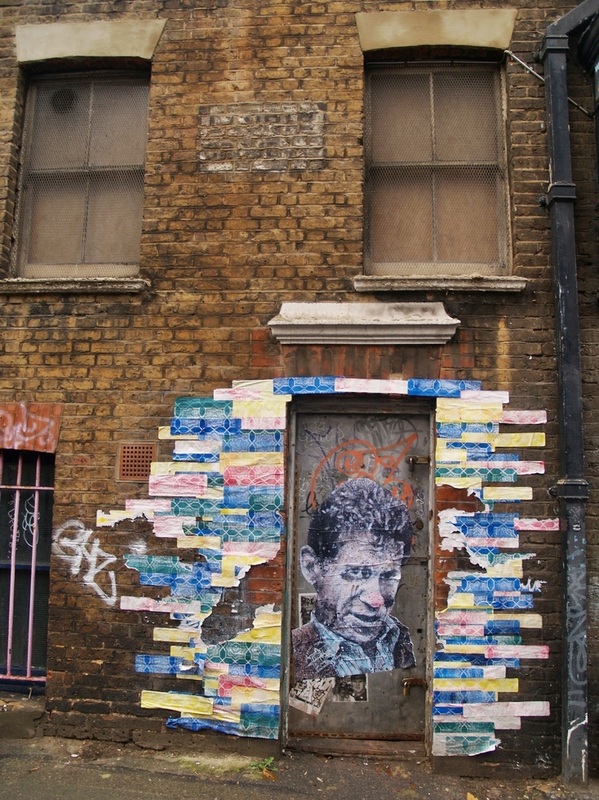
The artwork is by Egyptian Nazir Tanbouli. He was given permission by housing association L&Q to paint the outside wall of his studio, which is on the estate, on the basis that the whole place is about to be demolished later this year to make way for around 700 new homes. But his images were so popular with the remaining locals he was given permission for an open canvas of the whole estate.


By Clicking on the Amazon link Derelict London receives a small % of anything that you spend! hint hint....

ROTHERHITHE SE16 - SILWOOD ESTATE 

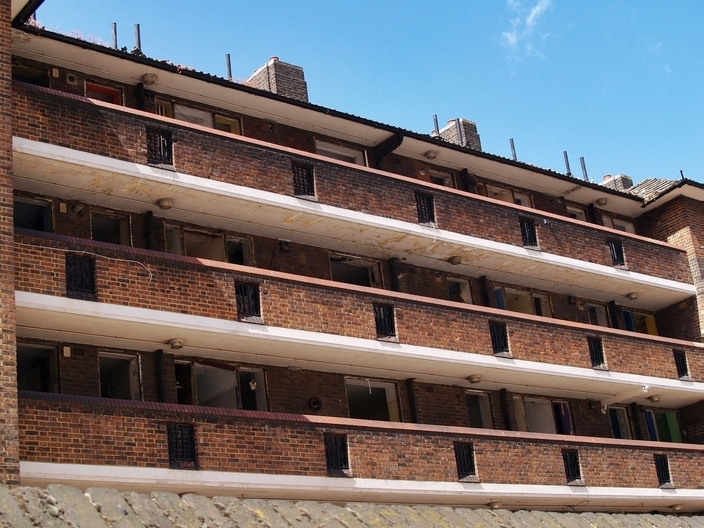
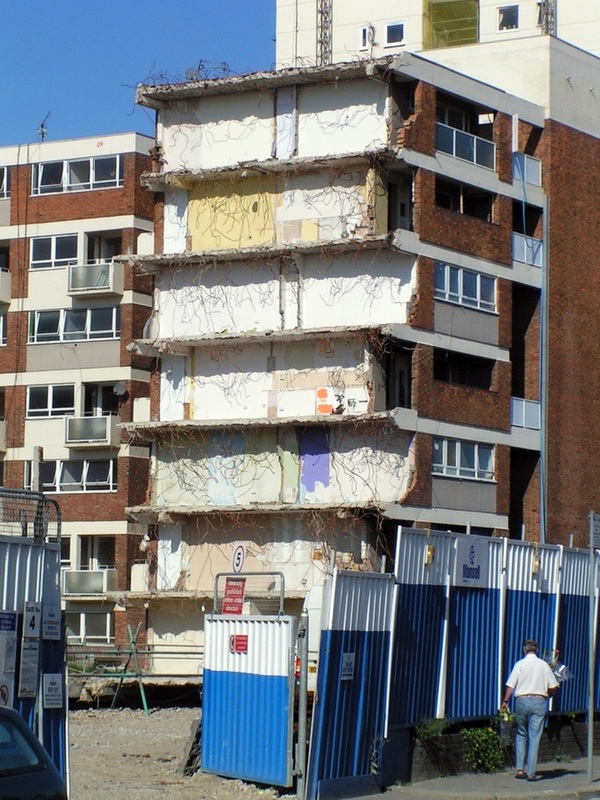
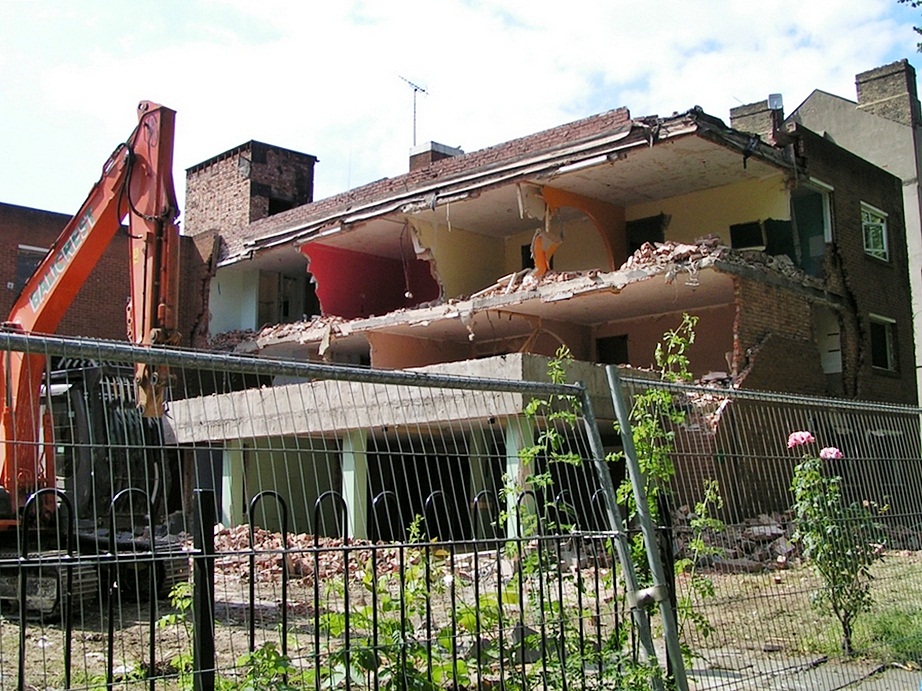
The Silwood used to cover a very large area off the Rotherhithe New Road. The estate was originally built in the early 1960s on a site of bomb-damaged terraced housing.  A demolition scheme has been underway for several years and now (2012) its the turn of Gillam House in Silwood Street. Named after Samuel Gillam (JP) who, in April 1764, sentenced the murderer William Corbett to death. The block has been empty since 2006 after the residents were decanted and any squatters were evicted earlier this year.
An £80m scheme involves demolition of existing stock plus construction of new build housing, whilst supporting educational, social, economic and environmental improvements. Large scale decanting and demolition of over 500 properties including four 11-storey tower blocks  has added to the complexity.


"The overall design, conditions and location of the Silwood Estate were poor. It was 'sandwiched' between two railway lines and 'bad neighbour' development along railway arches. The original buildings on the Silwood Estate were predominantly precast concrete in nature and the majority of properties suffered from a number of problems that are generally inherent in this type of construction, including lack of security (both internally and externally), noise transmission between the dwellings, poor insulation levels, dampness and condensation. Windows were generally single glazed timber and difficult to maintain. There was poor estate lighting, lack of ownership of open areas and lack of identity within the larger blocks. This was demonstrated by the fact that in an independent survey carried out by PPCR Associates in March 1999 on the Silwood Estate, the majority of the residents stated that they would like to see the Silwood Estate totally demolished and rebuilt. Official statistics at the time of the SRB bid show that unemployment in the Scheme area was 23%, with 21% of Silwood Estate residents being unemployed and 70% in receipt of some form of benefit. A Silwood Estate survey at the time showed that 49% of Silwood Estate residents felt that security and personal safety were the top priority and 33% of residents wanted to move because of the unsuitability for children, anti-social residents and crime." From UK HOUSING WIKI

Further down the street  the wasteground was used for filming scenes of the film "The Football Factory"

THE BISHOPS AVENUE, N2 - BILLIONAIRES' ROW 

Picture
The Bishop's Avenue connects the north side of Hampstead Heath to East Finchley. It is considered to be one of the wealthiest streets in the world - maybe London's answer to Beverly Hills? The road is often referred to by its nickname of "Millionaires' Row" or "Billionaires' Row".

In 2006, the smallest houses in the street were selling for £5 million while a larger house sold  to the President of Kazakhstan for £50 million in 2008. It is understood the Saudi Royal Family own ten of the street's properties, with other billionaire owners believed to be the Sultan of Brunei and Britain's richest man, Lakshmi Mittal.  The houses are undeniably luxurious but many of the modern mansions just shows that money cant buy good taste. You can see Aston Martins & Bentleys within many of the landscaped grounds though many driveways are empty and covered with moss with no signs of life within the gates at all. W
hilst these rich people own these houses they dont often live in some of them and many houses sit vacant sometimes with caretakers and security or some are left to decay. The trend seems to be to buy a vacant building and rather than do it up just demolish it and build another mansion.

The Bishops Avenue has always invited intrigue. In 1984, Greek Cypriot fashion tycoon Aristos Constantinou was shot dead in his private chapel. In the early Nineties, the street lost another prominent resident when Asil Nadir fled to Northern Cyprus to escape charges of theft totalling £34 million.


WORCESTER PARK - WORCESTER PARK LODGE

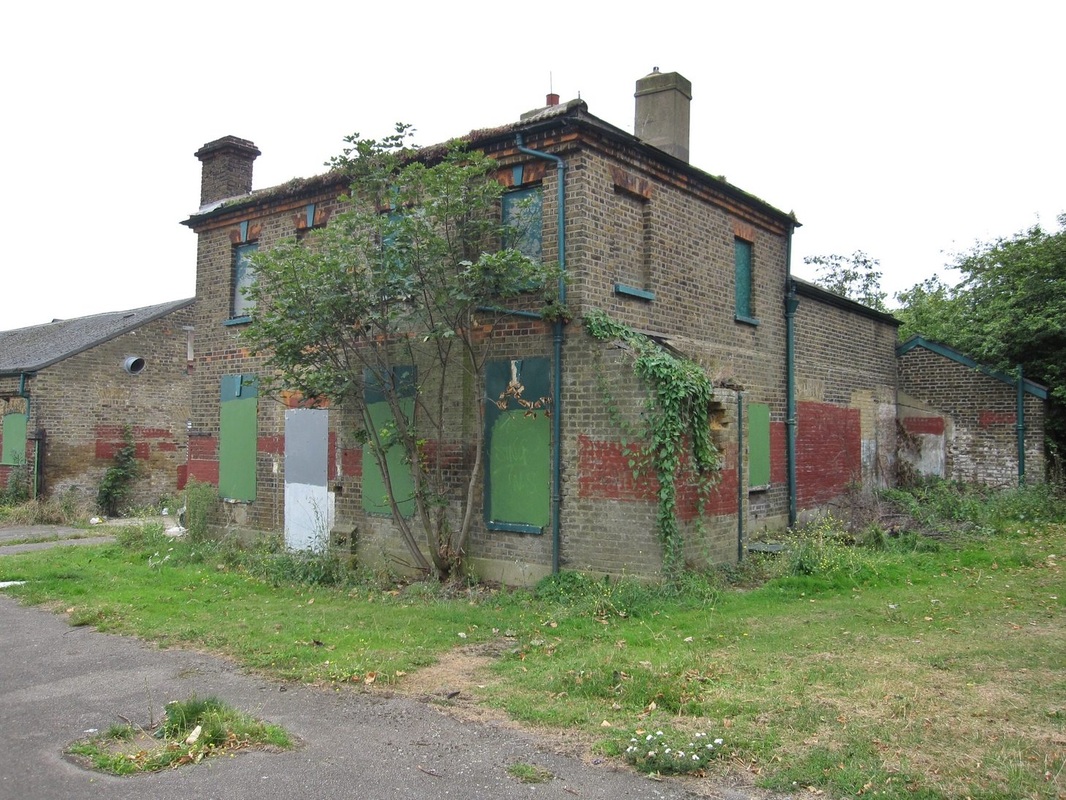
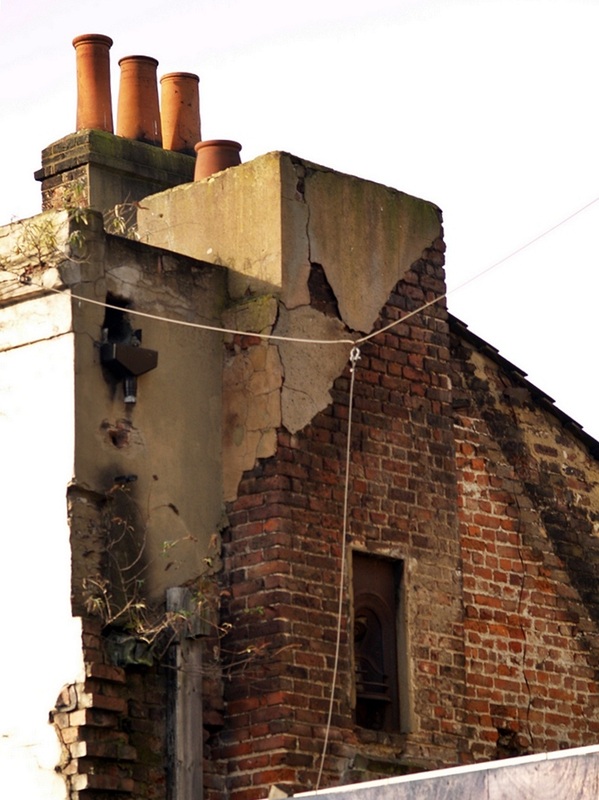
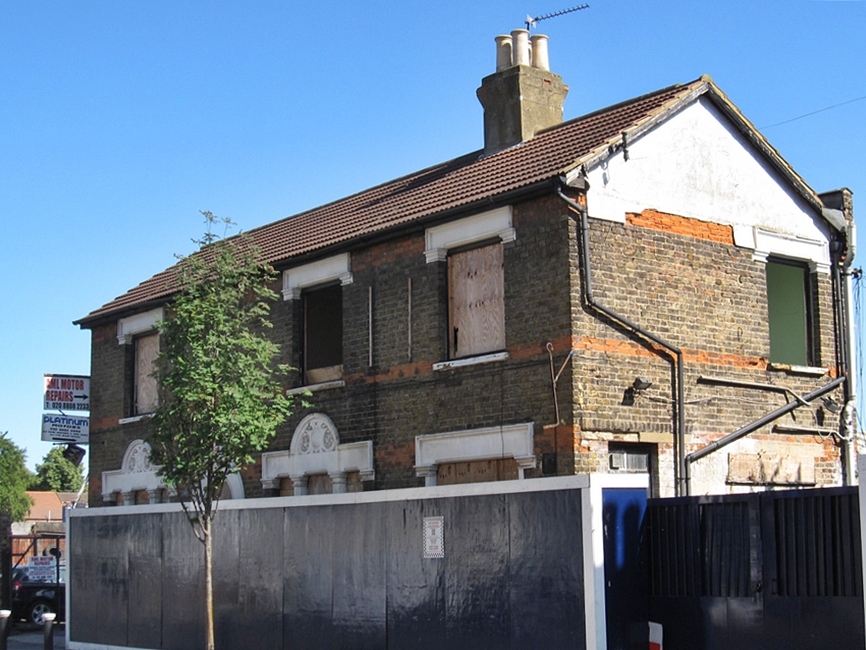
This sorry looking building used to be the stables of Worcester Park House and where the coachman lived. Then when the landlord switched to a car it became the garage and home of the chauffeur. The building is in extremely poor (and

dangerous) condition although its survived longer than the house that it served.

The imposing 30 room Worcester Park House was constructed in 1795. Apparently from 1875 it was inhabited by 8 unmarried brothers and sisters who lived there in style. Then in 1938 the last remaining sibling, laid off the 8 servants and had moved out leaving the place empty. One of the wings was hit by a bomb in the war and in 1948 the whole place burnt down. The ornamental lake dried up, the ornate balustraded bridge collapsed and nature has taken over the area leaving little clues of any existance of this grand house and its grounds.


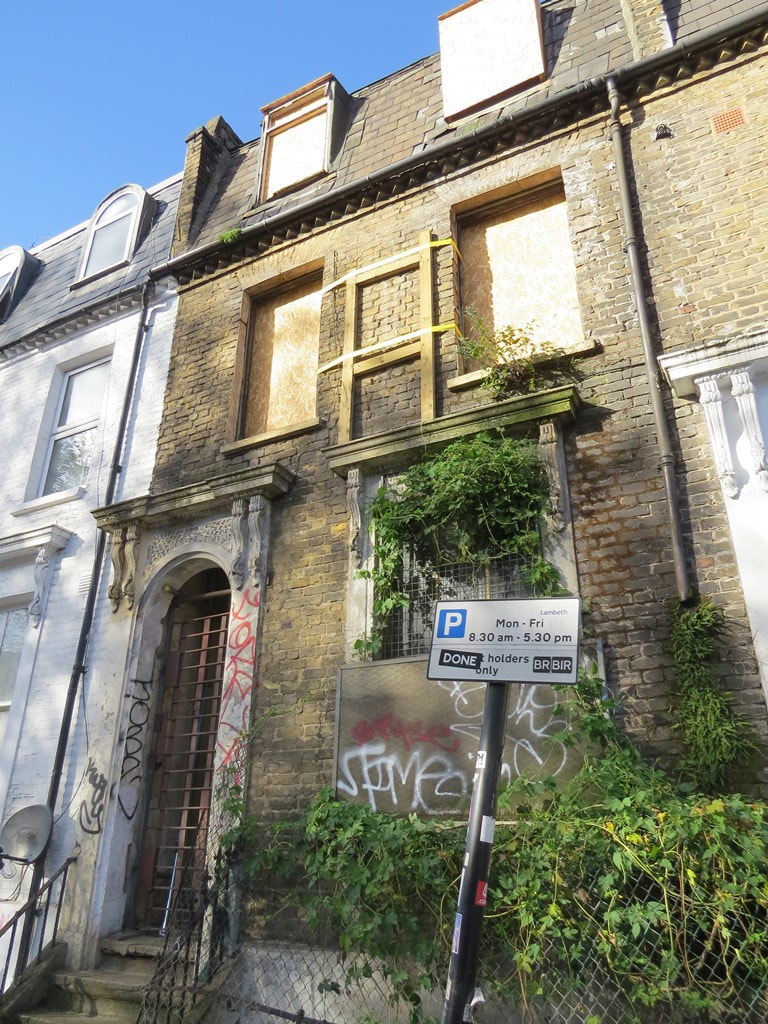
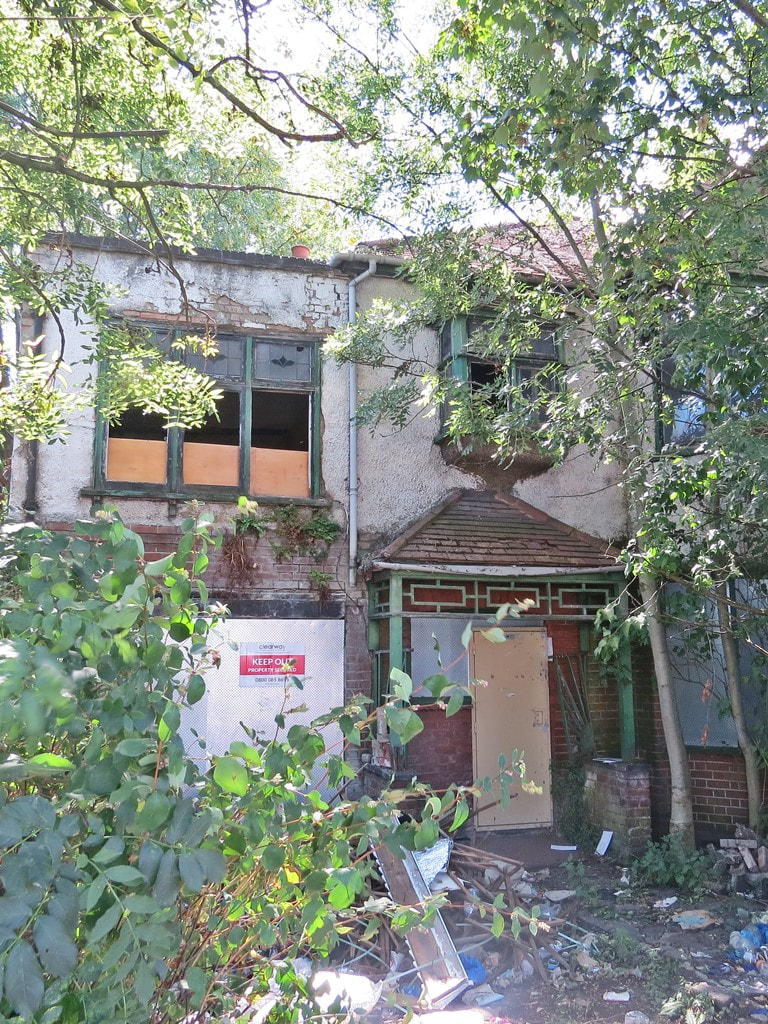
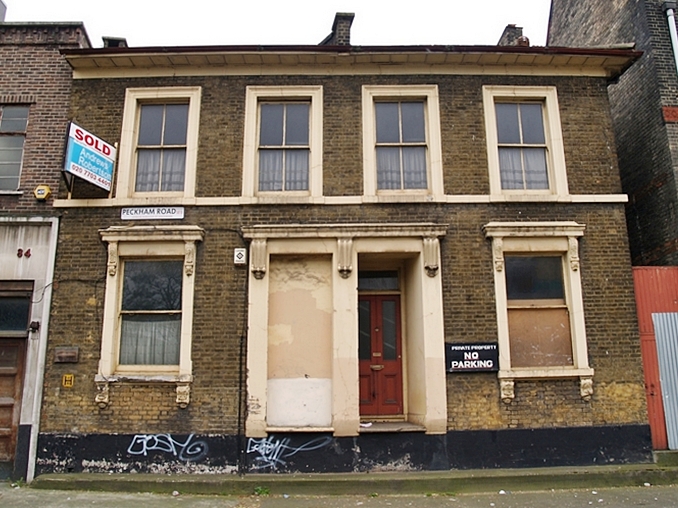
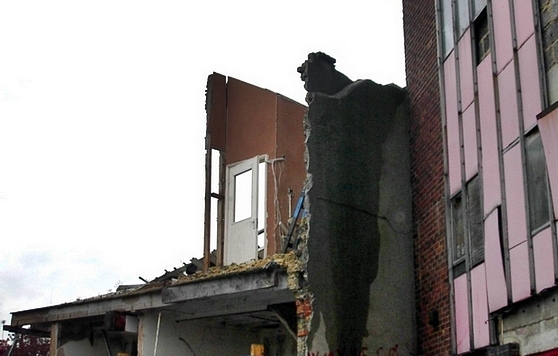
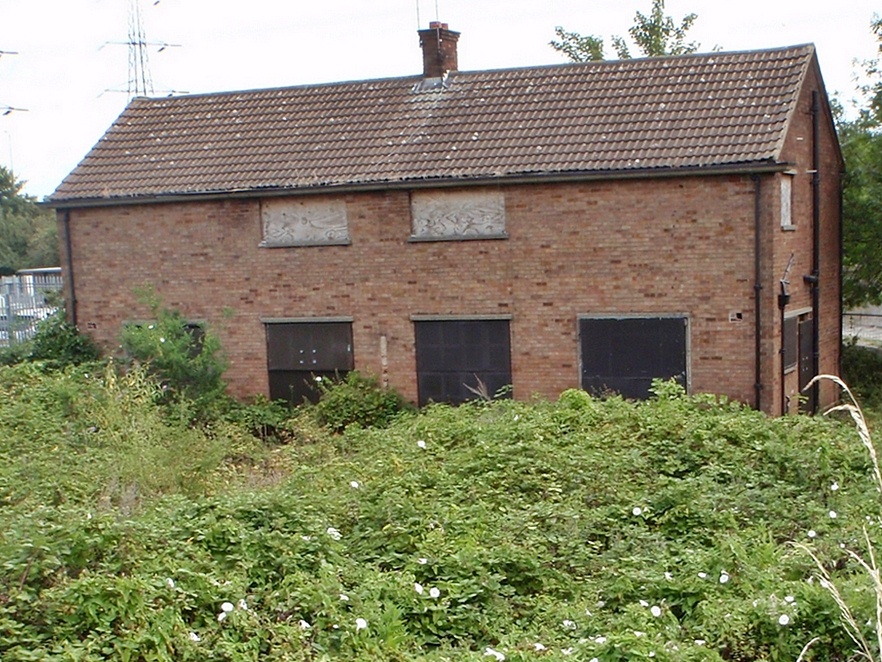
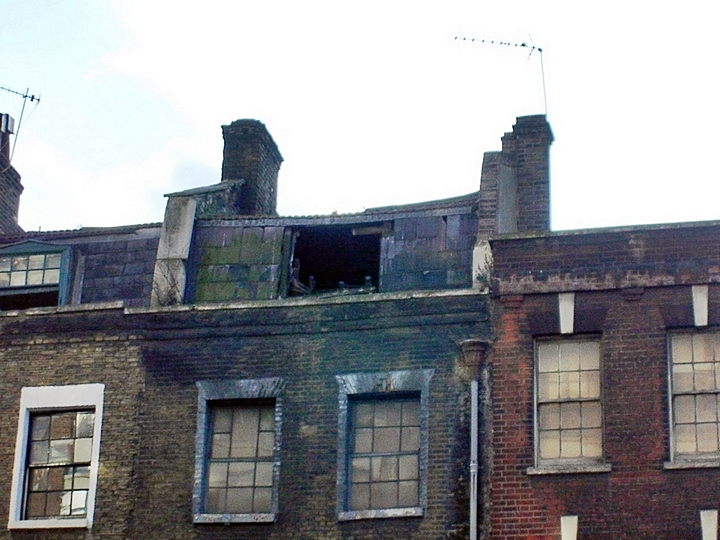
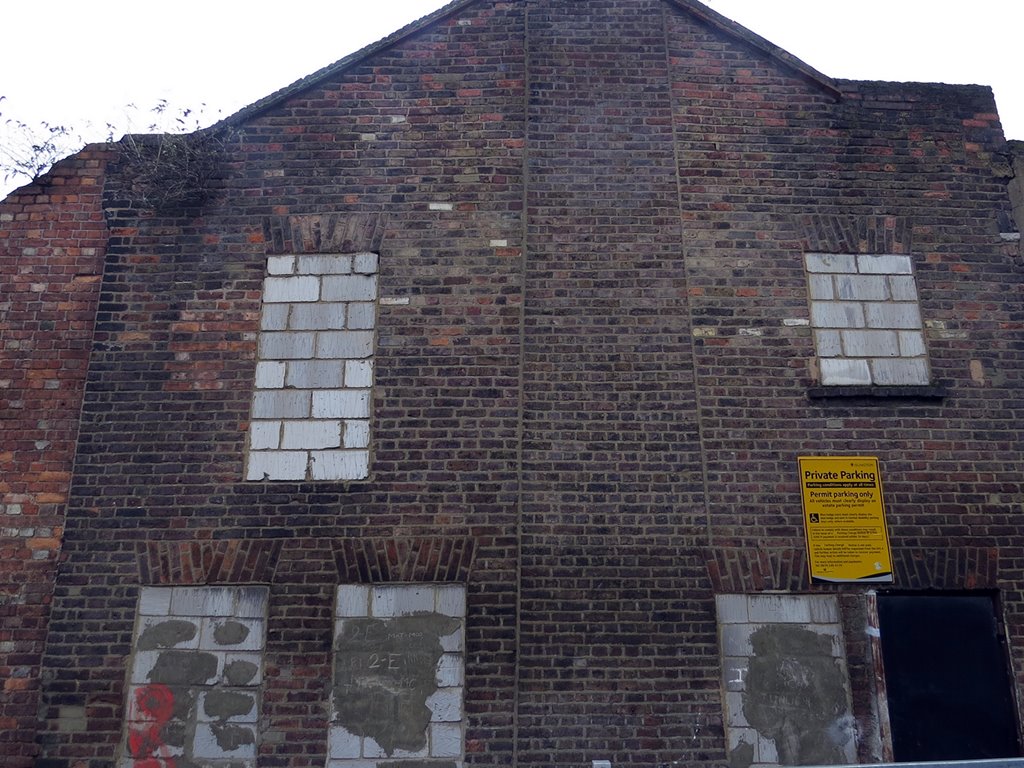
This is a gallery of some derelict homes south of the river (click to enlarge)


EAST DULWICH - THE CONCRETE HOUSE

Perhaps not the safest building to go climbing around in........It is an example of a 19th century concrete house, believed to be the only surviving example in England. Built in 1873 by Charles Drake of the Patent Concrete Building Company and is listed on Ernglish Heritage's Buildings at Risk register Southwark Council have refused permission for its demolition hence its appearance. Compulsory emergency works under Health & Safety to stop the building collapsing into the road carried out by Southwark Council - their invoice is stuck to the outside wall for the attention of the owner whose whereabouts is unknown.

Carole writes to Derelict London : "I'm sure I can remember a family living in it during the late '70's though a friend disputes this. I have been inside it and there's no stairs, one of the front room floors has collapsed and there doesn't appear to have been any electricity in it. It is huge inside.I have the impression that the local residents would like it demolished - one woman on the bus sitting behind me called it an 'eyesore'. It looks even worse next to the new building being constructed beside it."


Richard writes to Derelict London 
 : "I grew up in East Dulwich and the house on the corner of Lordship Lane and Underhill Roadwas a childrens home in the 70's - definitely. I was about 10 at the time I think so would've been around 77/78. It was run by a woman known as Auntie Lena and I had a few friends at the time who lived in there, so I used to be round there quite a bit! I cant remember any of the kids there being much older than me and I think there were only about 8 kids there at any one time. Every time I go past there I have fond memories!"

ELEPHANT & CASTLE - THE HEYGATE ESTATE


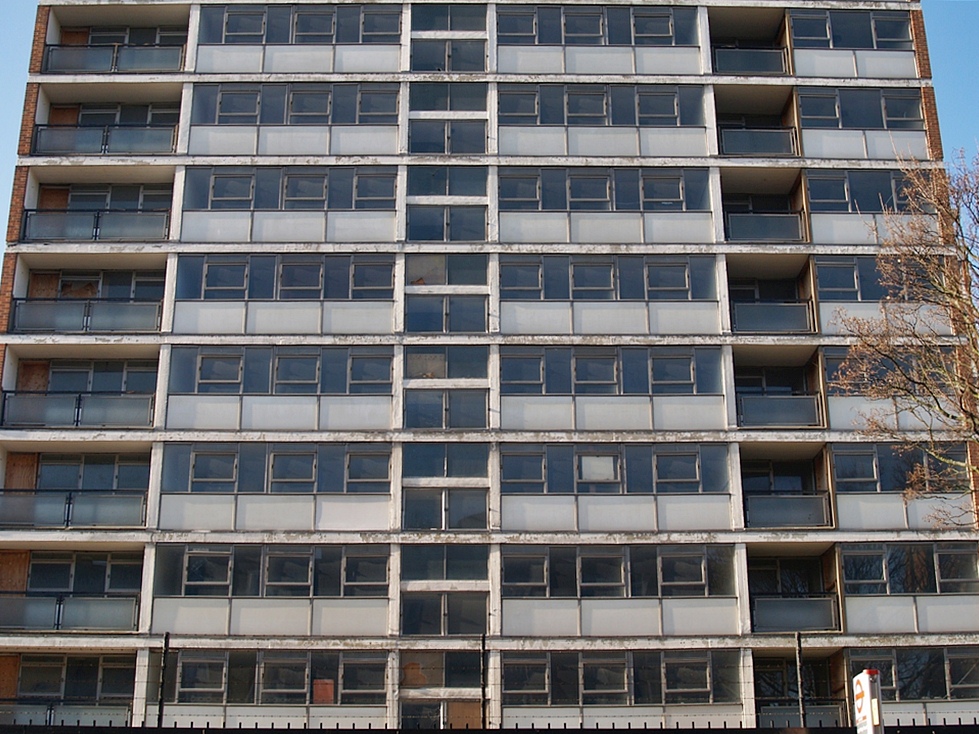
Most of the Heygate's 1,300 homes have been boarded up ahead of its handing over to developers. Just a small handful of people remain living on the estate.The futuristic buildings were designed to offer a utopian ideal where communal living provided a social hub for those who became the first to benefit from the post-war welfare state.

The Heygate Estate formed the backdrop to The Bill & Michael Caine film Harry Brown
But Southwark Council said the estate's stairwells and dark alleys actually turned into areas which encouraged crime and anti-social behaviour.

The Guardian recently interviewed one of the last residents who calls "the destruction of the Heygate an example of "environmental determinism". "It's part of the same discourse that was being bandied around in the 1960s," he argues. "Then it was said that the tenement buildings needed to be demolished because they didn't create an environment where people could live happily. It was precisely what is being said now." He believes the idea that the estate was "blighted" by crime and drugs was part invention – the product of an excitable media and of film-makers who liked to use the Heygate as a set for gritty realist dramas – and part self-fulfilling prophecy, as the council neglected maintenance and replaced long-term tenants with short-term licensees, who tended to be more disruptive.

Tim Tinker, the man who originally designed the estate believes the council wants to knock the Heygate down because of its central location. "There weren't any problems [with the estate] until relatively recently, but the council eyed it as an opportunity....

More pics of the Heygate Estate:


HESTON - THE HERMITAGE


This late 15th century thatched timber-framed house near Hounslow was ravaged by fire in 2003 and has decayed considerably since then. The timber frame survives but the he building is unstable, and protective covering is now deteriorating. The council is monitoring the site and has taken several actions against the current owners to make them keep the site tidy and secure.A stalemate has developed between the building's owner and Hounslow Council, which has rejected several planning applications including one for a 55-bed nursing home on the site. The owner, who is now proposing turning the site into a hotel, claims that the building is now beyond repair and would have to be rebuilt from scratch to be restored to its original glory. This building is extremely unsafe and I wouldnt recommend that any Derelict London readers attempt to enter it.

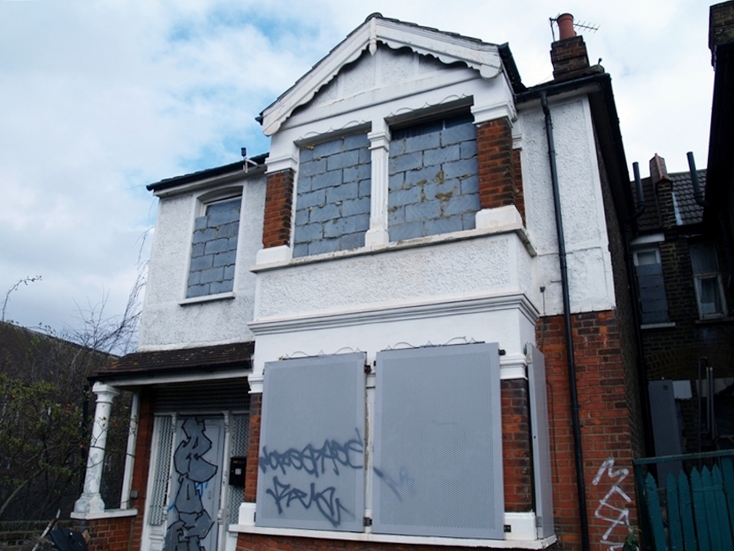
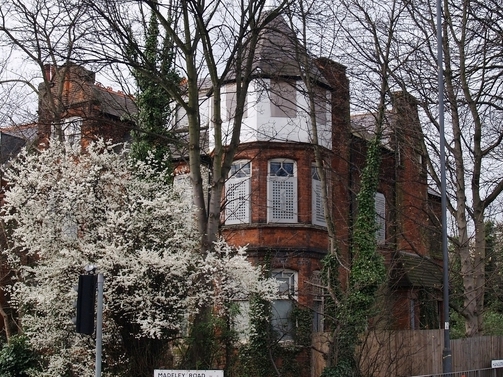
This is a gallery of some derelict homes north  of the river (click to enlarge)

 The A406  North Circular Road in the Brent Cross area:


KIDBROOKE - FERRIER ESTATE


Kidbrooke  takes its name from the Kyd Brook, a watercourse which runs from Orpington to Lewisham, by which point it is part of the River Quaggy. It is a tributary to the River Ravensbourne.

The huge Ferrier Estate in  has had a fairly unsavoury reputation ever since its construction on a disused military site by the Greater London Council in 1972. Built out of forbidding pre-fabricated blocks, it became notorious for crime, neglect and vandalism.

Over the last few years households have been moved out as the council prepares to demolish the estate to make way for a new housing development planned for 2018. Some homeowners, however, have refused to leave as they feel the money that they are being offered to move is insufficient to buy a property on the open market.

Blocks became derelict, with dark metal steel sheets covering landing windows and stairwells. Outward-facing windows have been ripped out to make them uninhabitable. While I was there, one remaining resident told me that the estate is infested with ants and rats.

In 1999, Prince Michael of Kent and the British Security Industry Association started a property-marking initiative at the Ferrier Estate, due to its notoriety as a 'burglary blackspot'. In 2001, a large terror cell and terrorist training facility was found on the Ferrier Estate. Gary Oldman's Nil By Mouth 1997 film starring Ray Winstone & Kathy Burke was filmed on the Ferrier as was 2009's The Firm directed by Nick Love who actually grew up around the estate himself.

The Kidbrooke Regeneration is a £1billion scheme to demolish the Ferrier Estate, and replace it with  4,398 new homes plus commercial and retail space. As at late 2011 much of the Estate had been demolished. 
d scoffer writes to the local  New Shopper paper:
...oh yes, da ferrier... we installed a lot of c.c.t.v. in cambert way when da gangz started moving in there - and we used to meet-up with some of the regulars after work in the old tigers head boozer - dunno if that's still there - but what a shame that perfectly good housing blocks have to levelled coz da hoods moved in and ripped the heart out of the decent majority of residents making in a no-go-area eh ? seem to remember they did the same to the north peckham estate dahn sarf london innit - and also da heygate estate eh ?? at da old elephant 'n' castle - they blamed 'da walkways' that criminals used to escape after mugging decent people on there... whereas, the truth is - the minority wreck it for the majority - then the think tanks at downing street tell us it needs 'regeneration' instead of grasping the nettle and launch an iron-fist war against the muggers and criminal filth using these estates as their own criminal yard to operate as they please... perhaps 'nice-but-dim' 'dave' should take up the challenge of moving into a typical sarf london estate for a week to see what the real 'problems' are instead of asking his think-tank university silver-spoon chums to come up with 'fresh' ideas how working-class families blighted by minority gangz and criminals on these estates should tackle the problems, instead of knocking estates dahn - or, seeing as he hasn't been able to tackle the 'illegal immigrant/asylum' issue... move out all the residents out and turn these estates into secure 'asylum detention blocks' instead of keep releasing illegal immigrants back onto the streets only for them to vanish into thin air!! all those agree... raise yer hands ? good!!, motion carried!! - now do it 'nice-but-dim' 'dave' or get out of office!! rofl!! ...see how long this lasts eh ???

STREATHAM - CLINTON HOUSE

Picture
In 1914 the Wheatley family moved into Clinton House. Their son, Dennis,  was 17 at the time. Dennis went on to write  more than 70 books (selling over 50 million copies)  before his death in 1977.Most of these were thrillers and occult novels. In the 1960s, two of his most popular titles, ‘The Devil Rides Out’ and ‘Uncharted Seas’ (renamed ‘The Lost Continent’) were filmed by Hammer.

Before the Wheatleys moved to Clinton House, it had been the home of Benjamin Pierce Lucas, Managing Director of the Camden Town Palace of Varieties. He appears to have moved to the property around 1898. The house was probably built in 1884, when it first appears in local directories.

Now the building is derelict and the future is uncertain. Grade II listed status was turned down by English Heritage, because of the damage it had suffered through vandalism and decay.


A  gallery of some more derelict homes north  of the river (click to enlarge)

ACTON - A40 WESTERN AVENUE

Picture

In the 1920's this was a tree lined boulevard on the outskirts of London, with farmers fields all around. The houses were large semi-detached villas with tudor features on the gables above the many bay windows. In those days, the roadway was one lane in either direction, and the pavements were wide, the front gardens pretty and traffic was not too busy.

Now the scene is sadder, the pavements are narrow, the roadway is at least 3 lanes in either direction withtraffic mostly ground to a halt and carbon monoxide fumes everywhere. Firstly the gardens were shortened by compulsory purchase as the road was widened. Then in the late 90's was a scheme to widen the road by so much that it would be neccessary to demolish the houses either side.


After compulsory purchase, the old houses are brutally smashed up by bailiffs, and made uninhabitable to stop squatters from taking them over. All internal fittings, toilets and sinks, are smashed to smithereens, and floorboards are ripped up, leaving sharp stakes pointing up and precarious gaping holes below. The irony is that despite failed attempts by residents and owners to hang on to their homes, and most of them being eventually demolished, the road scheme is eventually scrapped and much of the site is now left as vacant open land and the few buildings remaining are left to decay in their overgrown (once cared for) gardens.


There is a great book called "Leadville: A Biography of the A40" by Edward Platt. The Times said 'Platt has created a drama that is not only Orwellian in its attention to what you might call the state of the nation ...but almost Dickensian in the recording of the colour and pathos of its inhabitants'


CHARLTON - BRAMHOPE LANE FLATS


Kate Williams writes to Derelict London: "Thank you for inadvertently acknowledging 20 years of my past - seeing that picture is a great reminder of how far I've come in life. I was a 4yr old living with my parents and younger sister in a cramped 1st floor, 3-bedroom flat in Matthews House, Bramhope Lane, Charlton. 20 years all in all. In the early 1990s, there was talk of demolition/modernisation and a long consultation stage ensued between residents and the Council. The options were to either modernise the properties (because the internal walls were of concrete construction, they needed new roofs, cast iron guttering etc), or to demolish them and build new, more energy efficient, cost-effective housing in their place.

To cut a long story short, the latter was chosen, and Greenwich Council signed over the properties a  housing association: Charlton Triangle. That association then assisted in the decanting of us residents. Mum and I were the only ones who remained in Matthews House.

As residents moved out when properties became available, the likes of Matthews House and other neighbouring blocks became a mecca for all that is horrid, and the police were constantly called out to our lane to shoo off the undesirables who'd hang out in gangs in the stairways (the communal halls/entrance ways were never secure with entry phones etc - just open) and it was something that we just had to put up with. We lived in fear constantly. Salvage came in the winter of 2002, when the housing association gave Mum and I the opportunity to move to a place in New Eltham. Mum chose not to move back to Charlton.

The image of Matthews House, especially, haunts me. And though it no longer exists, the picture of it on your website serves as a stark reminder of what my life and my family's life used to be like. That "Council Estate Girl" is still inside my head somewhere, in the memory banks of a bygone era. It was cathartic to show my husband where I lived, just before Matthews House etc got ripped down. It was like that acknowledgement needed to be made in order to justify my existence. 20 years of one's life just bulldozed down in the space of ... however long.

I do hope that we can give our children-to-be a better start in life than I had, but I am grateful for the experiences life taught me, including my time spent in Charlton."
Picture
Picture

A  gallery of some more derelict homes south  of the river (click to enlarge)

DENMARK HILL - HOUSES IN WINDSOR WALK


A majority of this street overlooking the railway station  derelict.  Must be worth a fortune......They belong to the local Mawdsley Hospital and was used as living quarters for nurses. Looks like they have been empty for years.

Donald Insall Associates Ltd, Conservation Architects say that the houses were built in two stages between the c1860’s and c1880’s as speculative suburban development to designs by a local builder. The houses were originally occupied as private residences but since the second part of the twentieth century they have been used for medical purposes. Most recently they were used as interlinked buildings as a methadone maintenance clinic and medical research facility.


The architects recent  assessment concluded that the street facades of the buildings, although in need of repair, make a positive contribution to the conservation area. The front elevations have a good quality Victorian features and embellishments and though there are neglected and altered in places, they contribute to the streetscene and the conservation area. The rear elevations are much less intact and have been altered significantly. These rear parts of the buildings are to be demolished and replaced in order to apparently  provide the necessary form and quality of accommodation to meet modern medical use requirements.


STOKE NEWINGTON - ST MARYS LODGE


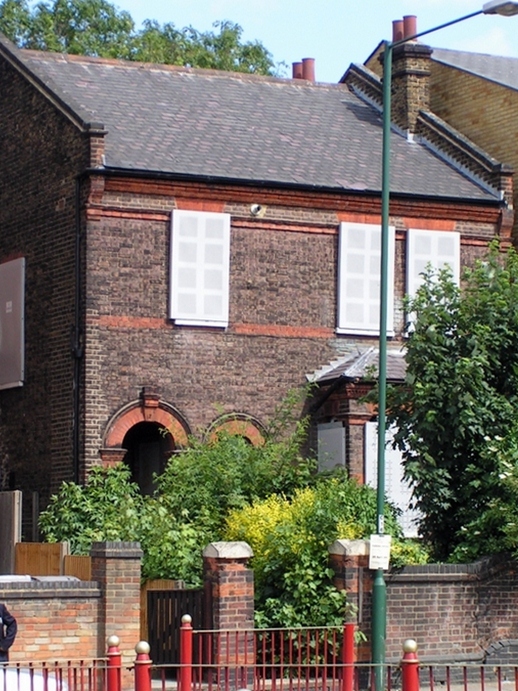
Poor old St Mary’s Lodge. Designed and constructed in 1843 by one of the leading architects of the day, John Young (who also designed the Royal Marsden Hospital), it was built for himself, his wife, their nine children and two servants and incorporates some wonderful architectural flourishes, such as arched windows and terracotta brickwork details. Young enlarged the house in the 1860s and also added an elegant garden at the rear. The Youngs remained at St Mary’s Lodge until John Young’s death in 1877, after which it remained a family home until 1959.

From the early 1960s, the local authority used St Mary’s Lodge as a women’s hostel, offering refuge to up to nine women at a time. The hostel was closed in the mid-1990s and the building and grounds were left unmaintained and unsecured. Vandals, squatters and the elements have left the house and grounds in a poor state, particularly following a major fire in 2005, and St Mary’s Lodge’s future is uncertain.

The pictures below were  photographs of the derelict interior of St Marys are reproduced by kind permission of the stmaryslodge website - these were taken prior to the 2005 fire which gutted the place.

PECKHAM - WOOD DENE ESTATE


Many of the more brutal concrete monstrosities constructed throughout London since the Second World War are now disappearing before the bulldozer. The 1960s Wood Dene Estate, which was designed in large, concrete, six-storey blocks with long walkways, is just one of those scheduled for destruction. Once demolition had been decided upon, whole floors of the flats were covered with metal shutters and tenants gradually moved elsewhere – a process that took five years.

As people left, Wood Dene became a magnet for drug dealers, vandalism and shootings. It acquired national notoriety in 2005 when Zainab Kalokoh was shot in the head at her niece’s christening party in the community centre on the estate. The council says it has plans to build more than 300 homes for sale and rent on the cleared site though its been a while now since demolition and the land remains vacant...

TOTTENHAM - STOWE VILLAS


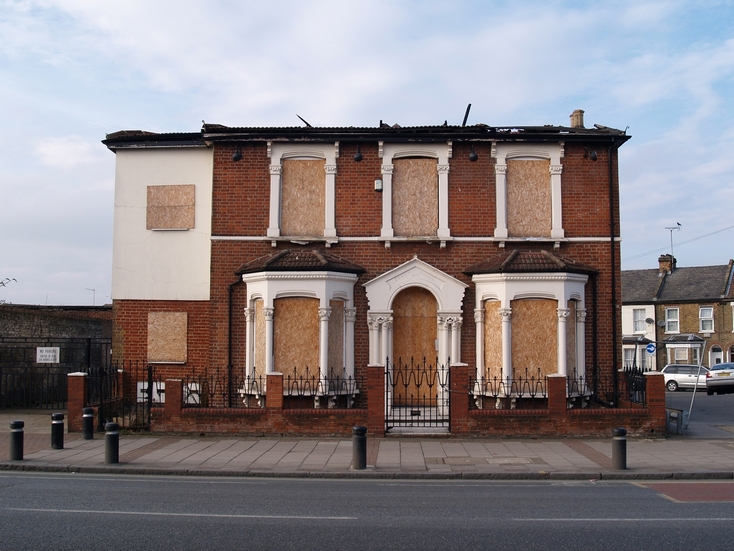
This handsome pair of locally listed Victorian buildings, Stowe Villas (named after Harriet Beecher Stowe, the author of "Uncle  Tom's Cabin") are in a poor  state. Regularly frequented by squatters and drug users until a fire virtually destroyed parts of the buildings. 

The Council served a notice on the owner requiring him to remove rubbish, install boarding over doors and windows, and clean up the brickwork and metalwork. The owner did not comply. The Planning Department and the Conservation Team have confirmed that "the houses must not be demolished and any development must include the renovation of the houses to their original state. Development may be allowed to the rear but must be carefully controlled and not visible from the road." Two  planning applications by the owner to build twelve housing units in the main building and six flats in the grounds have been refused. The Council is preparing a case for a compulsory purchase order

Half-page ads featuring this building appeared in the national press promoting the Government's online planning initiative Direct Gov. The ads invited people to discover "what's being planned in my area".


LONDON FIELDS - BAYTON COURT

A sheltered housing scheme for elderly people which has recently been shut down and the residents decanted elsewhere. 

An article about Bayton Court  in hackneyindependant.org in 2011 said: "Hanover in Hackney – given the responsibility by Hackney Council to run its sheltered housing units - just can’t ignore the fact that prime building space on London Fields is worth a hell of a lot more than the OAPs they are supposed to be caring for.  This time they hope that the council will agree with their plans to kick the elderly tenants out of their homes and build sixteen houses.

Last June’s public meeting organised by OPENDalston, and attended by residents and their families and members of Blackstone Estate TRA, shamed HiH into backing down from their transparently greedy plans to make large amounts of cash at the expense of their vulnerable residents. They should be forced to back down this time too; but don’t rely on local Labour Councillors - last year they sat on the fence.  Could it be because Cllr Emma Plouviez is a member of HiH???"

Looks like HiH won this one.... Also, the security guards here don't seem to grasp the concept that jumping over a wall and taking photographs of the building is not a criminal offence ;-)

HAMPSTEAD - HEATH HOUSE 

Heath House is on the highest point in London situated on the edge of Hampstead Heath. 

Heath House was occupied by Samuel Hoare in 1790. Hoare was a Quaker banker who lived there until his death in 1825. Hoares Bank continue to this day as the UK's leading independent private bank & remain wholly owned by the Hoare family.

It is said that from its roof, you can see six counties on a clear day. It seems to have been empty for quite a long while.

BERMONDSEY SE1 - GRANGE WALK


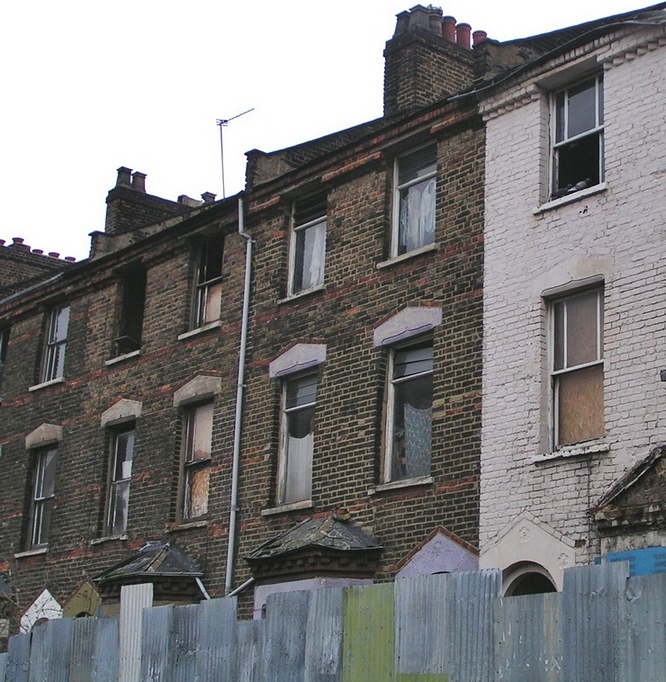
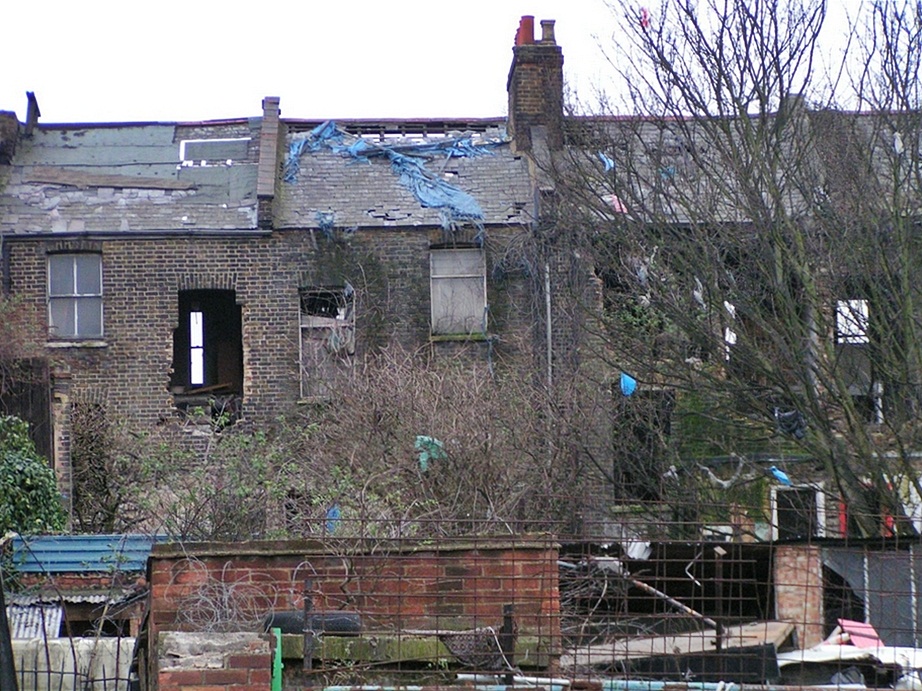
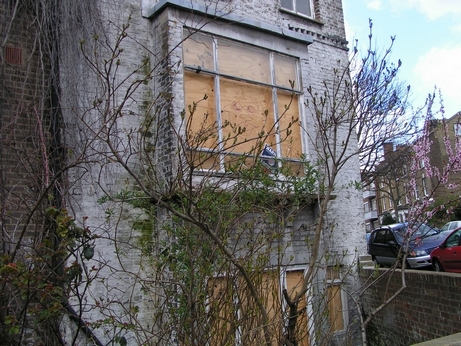
And yet more Derelict London homes (some of the pics below are a few years old)

Paul Talling's Derelict London - all photographs are copyright © 2013
Follow Derelict London on Facebook and Twitter